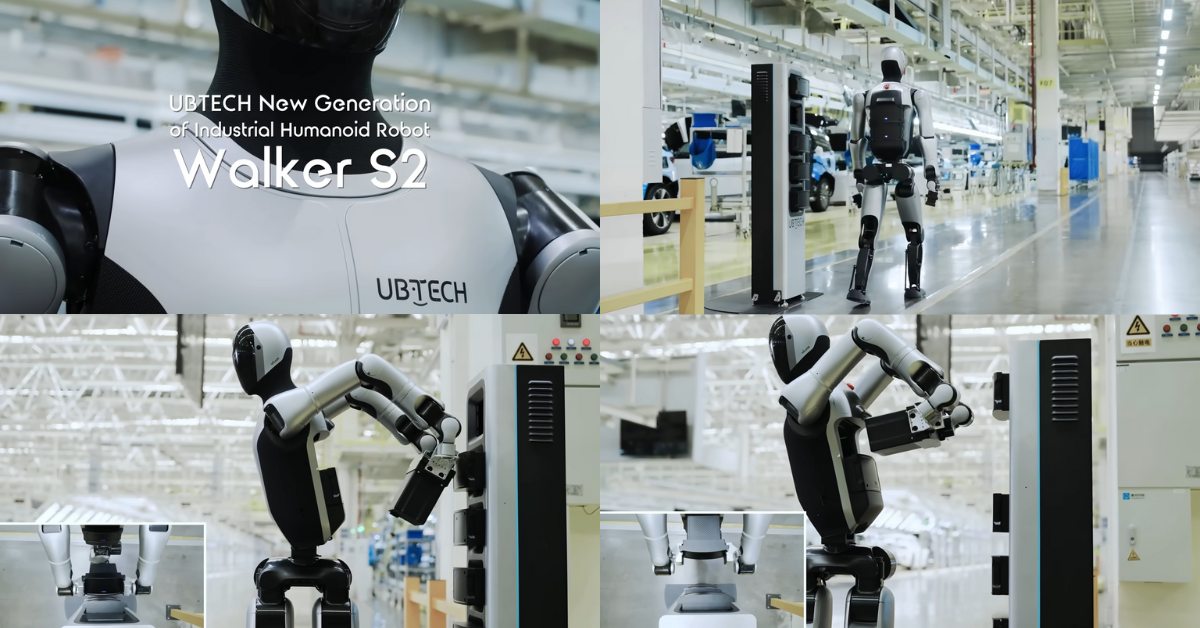
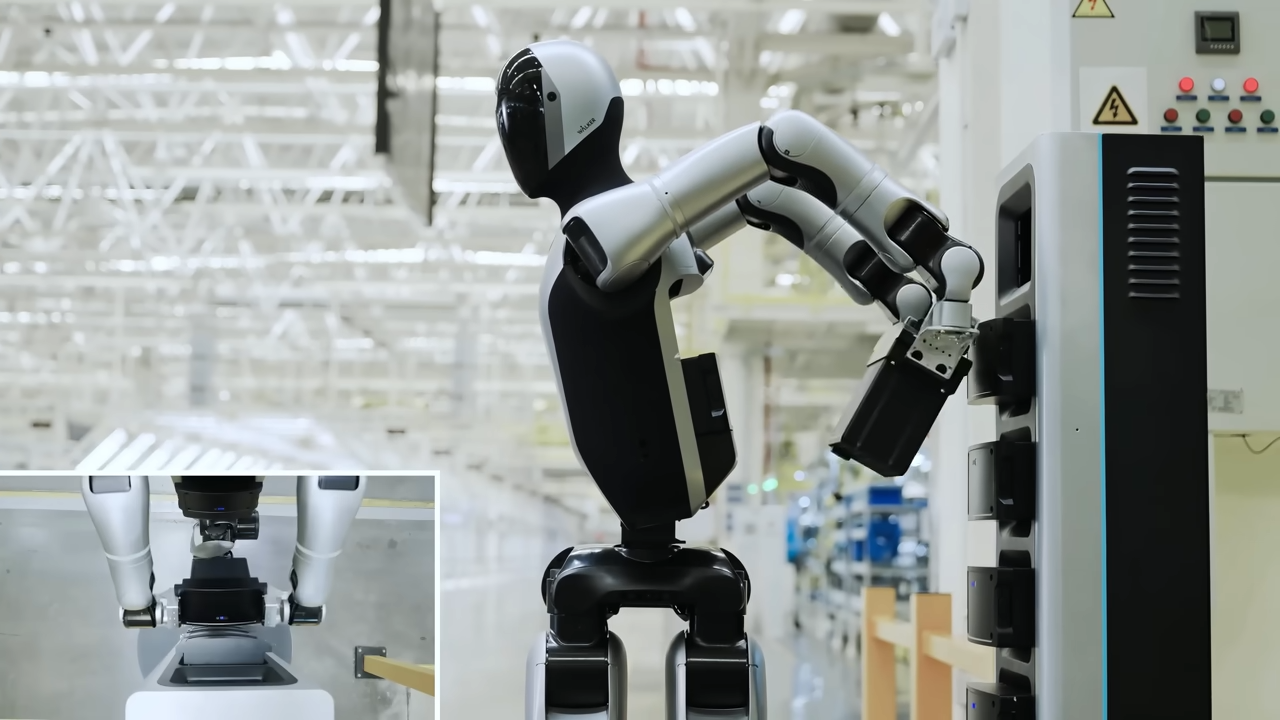
China’s UBTech Robotics has unveiled the Walker S2, a next-generation humanoid robot capable of autonomously replacing its own battery—ushering in a new era of uninterrupted industrial automation.
A Robot That Powers Itself
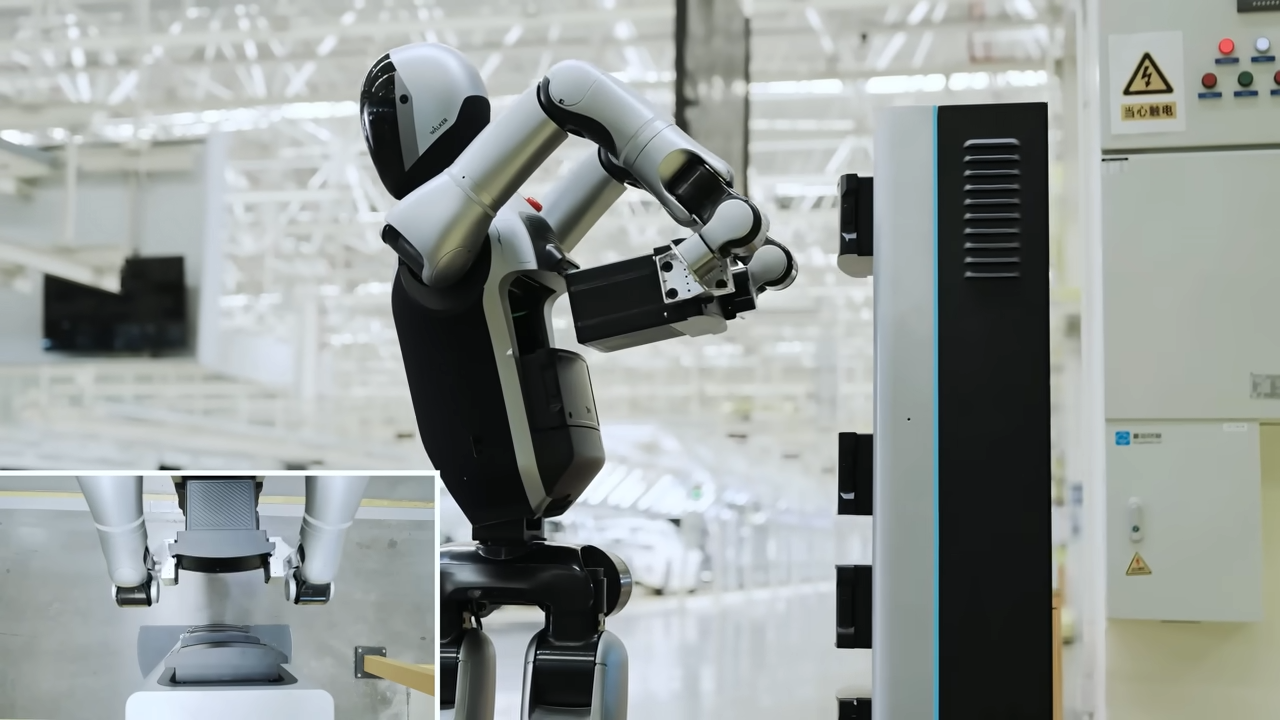
Revealed on 18 July in Shenzhen, the Walker S2 is the first humanoid robot designed to independently manage its power supply. When battery levels drop, it navigates to a charging dock, removes its used battery, and installs a fully charged one—completing the entire process in less than three minutes without needing to shut down. This allows continuous operation around the clock with no human assistance.
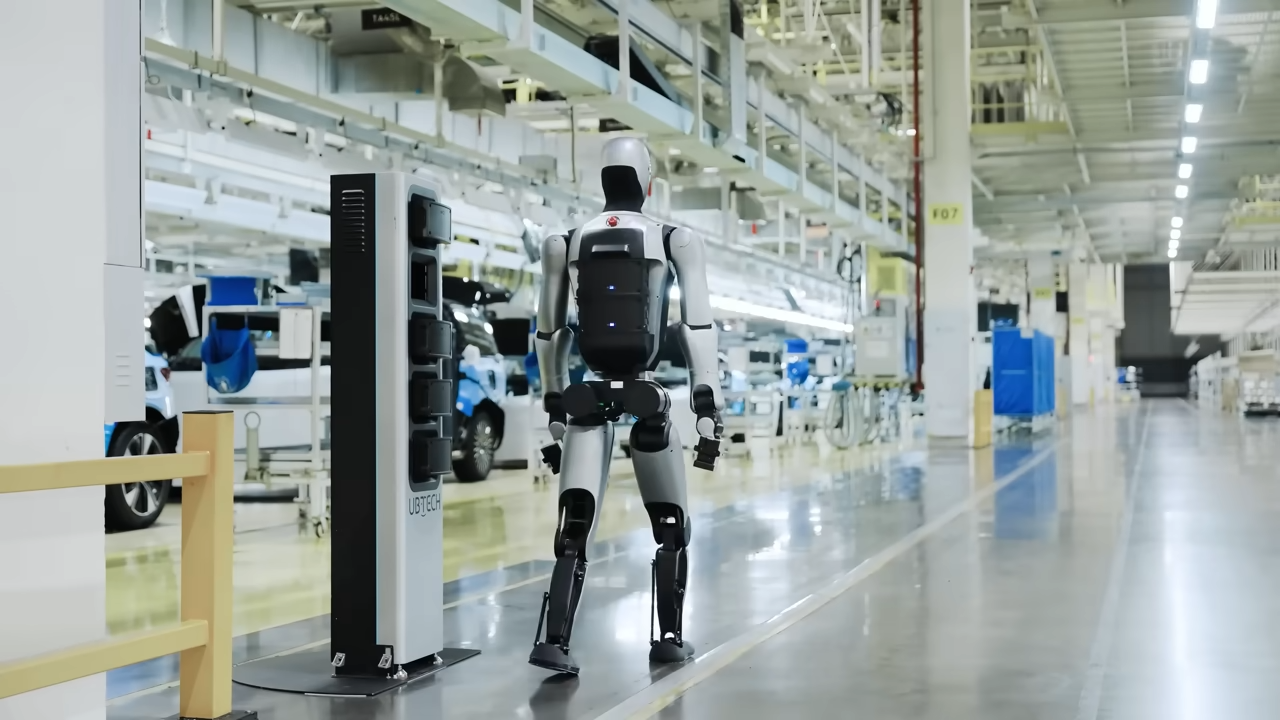
The robot also features a dual-battery system. If one power unit fails, it automatically switches to the backup. Based on task demands, the Walker S2 intelligently chooses between swapping or recharging, ensuring maximum productivity with minimal energy delays.
Designed for the Future of Manufacturing
Built for demanding industrial settings, the Walker S2 walks upright with human-like balance and performs tasks with mechanical precision. Its standardized battery design allows for easy integration across large-scale production lines.
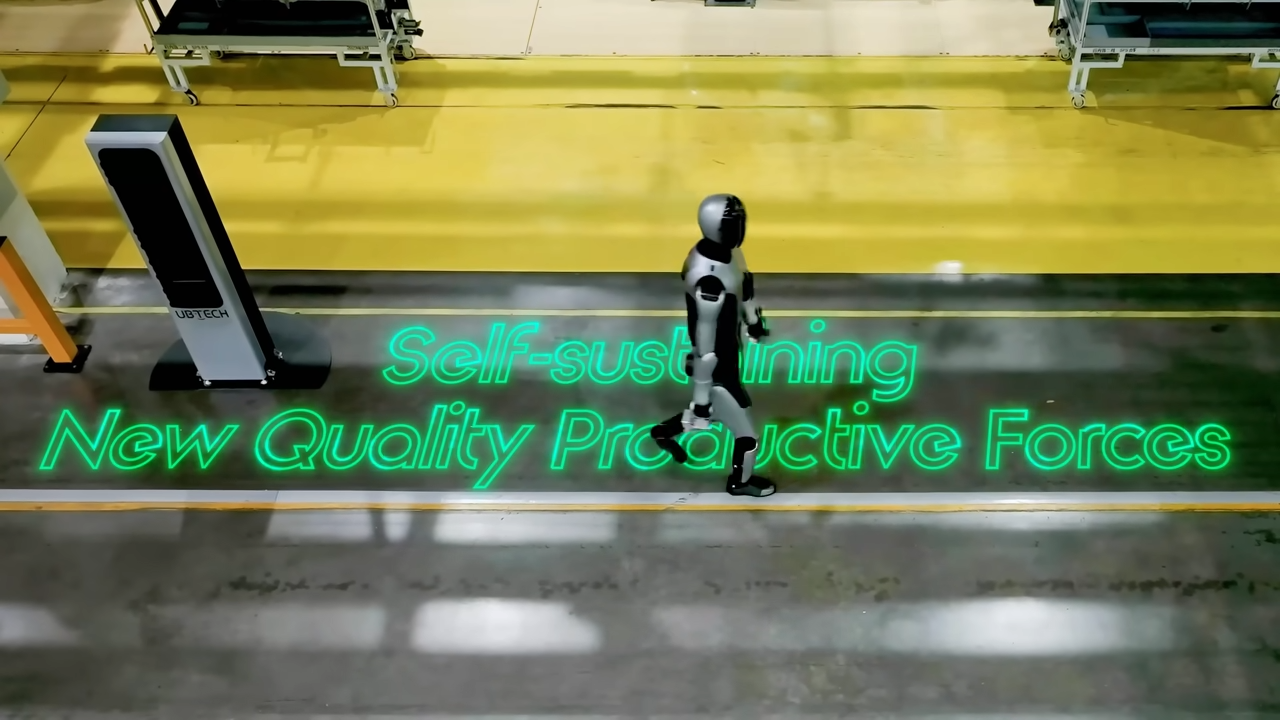
UBTech aims to redefine intelligent manufacturing through self-reliant automation. Already partnering with major Chinese manufacturers including BYD, Foxconn, and Geely, the company has received over 500 orders for its Walker series, signaling growing interest in fully autonomous robotics.
Coordinated Robotic Workforces
Earlier this year, UBTech showcased synchronized humanoid robots in action at Zeekr’s smart factory. Multiple Walker S1 models—the predecessor to the S2—collaborated on tasks like inspections, assembly, and parts handling, all managed by UBTech’s advanced BrainNet system.
This AI-powered network connects each robot to a shared “super brain” in the cloud, allowing real-time data exchange and cooperative decision-making. Enhanced by DeepSeek-R1 and Retrieval-Augmented Generation (RAG) tools, the system enables robots to learn from ongoing tasks and continuously improve.
From Research to Real-World Efficiency
UBTech’s humanoid robots have already demonstrated measurable gains in the workplace. Trials have shown a 120% improvement in sorting speeds at BYD and a 65% drop in labor costs at Lynk & Co, highlighting the robots’ value beyond the lab and into active industrial use.
With the Walker S2’s self-charging ability and intelligent energy management, China is advancing rapidly toward a future where humanoid machines operate seamlessly in factories—working non-stop, adapting on the fly, and reshaping the boundaries of automated labor.
Watch a video here:
More of The Other Side:
Europe’s First Jet-Fueled Flying Bike Debuts with 124 mph Speed
Keep up with #TheOtherSide on Telegram and TikTok.
@the.other.side77
Share this content: