Article by Viory
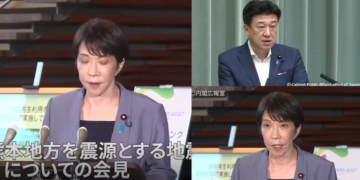
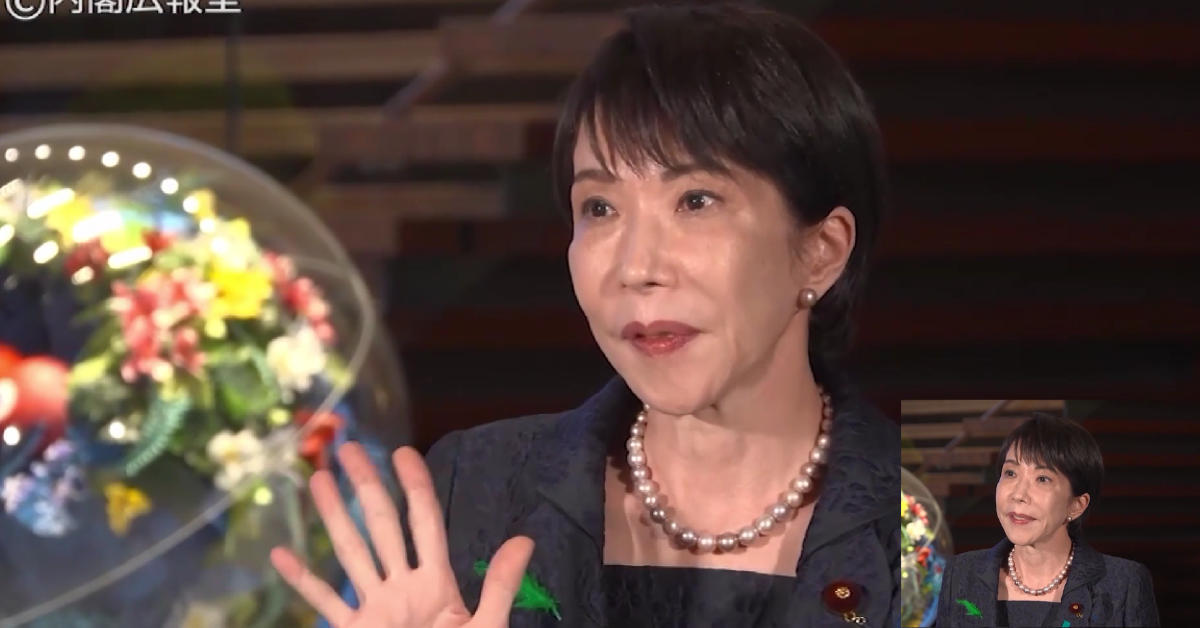
Japanese Prime Minister Sanae Takaichi defended Japan’s decision to lift its post-World War II ban on exporting lethal weapons on Wednesday, insisting that any equipment sold abroad would remain ‘exclusively defensive’ in nature.
“Japan has developed its defence equipment based on the principle of exclusive defence. For example, Japan does not possess bombers. Furthermore, it does not possess aircraft carriers. This equipment is not designed to infringe on the territory of other countries,” Takaichi asserted.
“Responding to the needs of such partner countries through the transfer of defence equipment will also contribute to improving the defence capabilities of these allied nations. Furthermore, this also serves to prevent conflicts from occurring in the first place,” she continued.
Tokyo will be able to export lethal equipment to 17 countries that have signed defence equipment and technology transfer agreements with Japan, including the US, Australia and the Philippines.
Under the ban, the military export was limited to rescue, transport, alert, surveillance and minesweeping. However, now the export line has expanded to fighter jets, missiles and destroyers.
“In today’s increasingly challenging security environment, I believe that no country can protect its own peace and security alone. In this context, I believe that partners who support each other in terms of defence equipment are crucial,” the Prime Minister said.
The shift aligns with the broader ‘Japan First’ policy adopted by Sanae Takaichi after taking office as prime minister last year, which prioritises increased defence spending and a stronger military deterrent, among other measures.
The prime minister also addressed the situation in the Middle East, saying she was ‘working very hard’ to ensure safe passage through the Strait of Hormuz.
“I want to create an environment where ships from various countries, currently confined in the Persian Gulf, can safely pass through the Strait of Hormuz – an international strait – and leave the country,” she stated.
On Tuesday, US President Donald Trump announced on his Truth Social platform that the ceasefire with Tehran would be extended “until Iranian leaders present a unified proposal in the talks,” while the blockade of Iranian ports would remain in place.
Pakistani Prime Minister Shehbaz Sharif expressed gratitude for Trump’s unilateral extension, while Iran reportedly did not request the president to prolong the ceasefire.
Tehran has since commented that it views US actions in the Strait of Hormuz as an act of war, indicating that Iran will only observe the ceasefire in its own ‘national interests’.
On April 8, the US and Iran reached a conditional two-week ceasefire agreement, followed by a round of talks in Islamabad mediated by Pakistan, which didn’t reach a breakthrough.
The US and Israel launched a joint military operation against Iran on February 28. Tehran subsequently confirmed the death of Supreme Leader Ali Khamenei on the first day of the war; his son, Mojtaba Khamenei, was later chosen as his successor.
Prime Minister’s Office of Japan, via Viory.Video
Related Post:
PM Takaichi gushes over Deep Purple, gifts fellow drummer Japanese-made sticks
Release the oil! Japanese PM opens private, state emergency stocks amid Middle East escalation
Share this content: