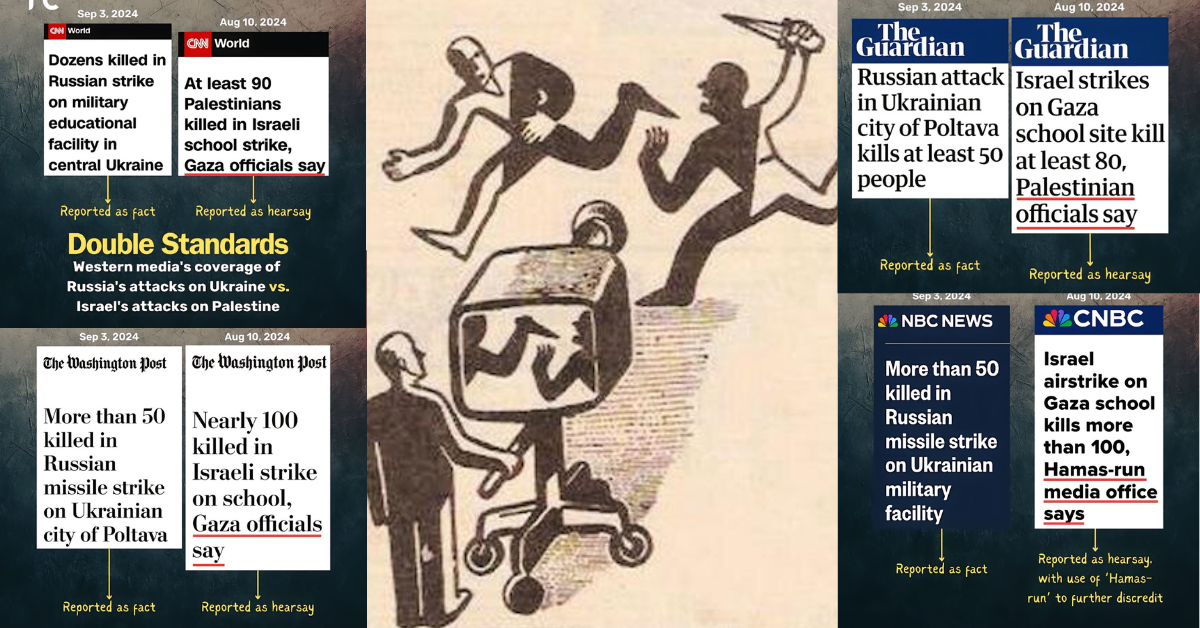
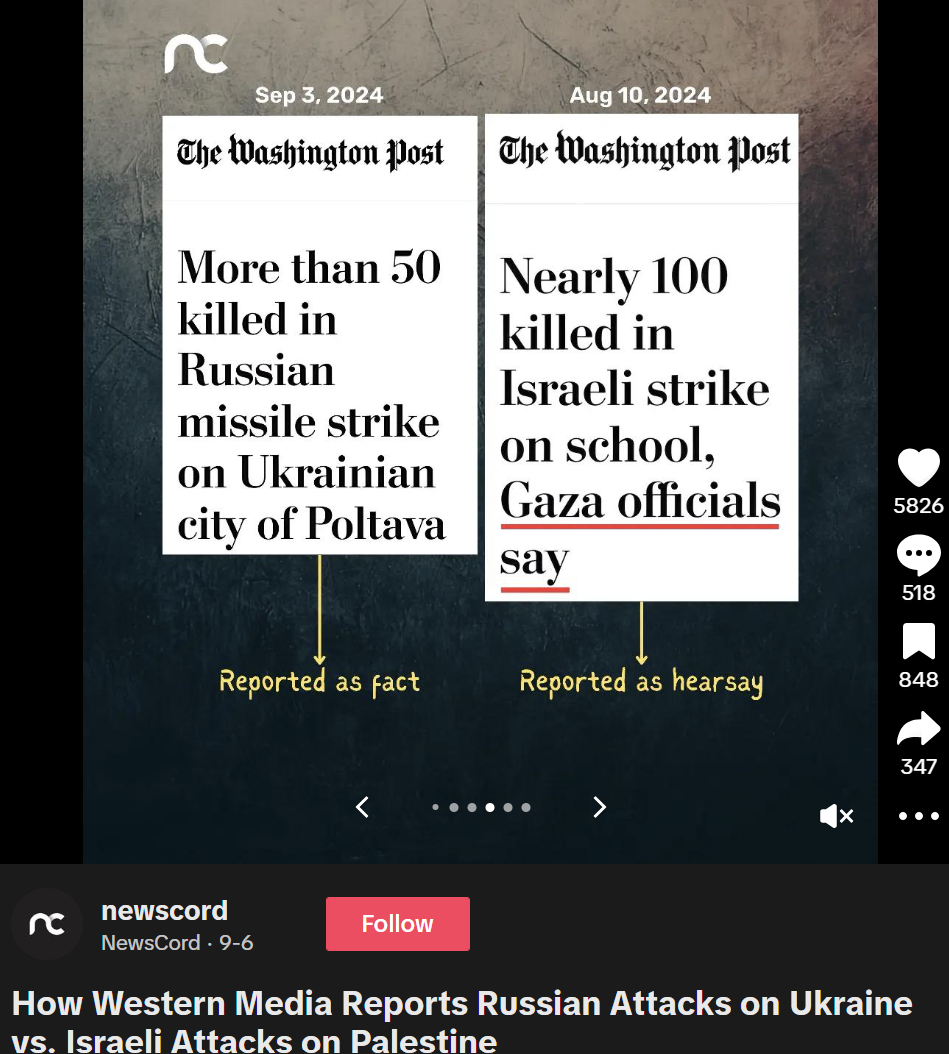
Western media coverage of international conflicts plays a crucial role in shaping public opinion and influencing policy debates. A comparative analysis of headlines reporting on Russia’s invasion of Ukraine and Israel’s military operations in Gaza reveals stark differences in language, tone, and framing.
These disparities raise ethical questions about the objectivity of media outlets and the implications of their coverage.
The Language of Condemnation: Russia in Ukraine
When reporting on Russia’s actions in Ukraine, Western media headlines frequently employ strong, unequivocal language that paints Russia as the aggressor. Terms such as “invasion,” “war crimes,” “genocide,” and “occupation” dominate the discourse. For instance, headlines like “Russia Bombs Civilian Shelter in Ukraine: Over 100 Killed” or “Russia launches major Christmas Day attack on Ukraine’s energy system” evoke immediate condemnation and empathy for the victims. This framing leaves little room for nuance, portraying Russia’s actions as deliberate violations of international law.
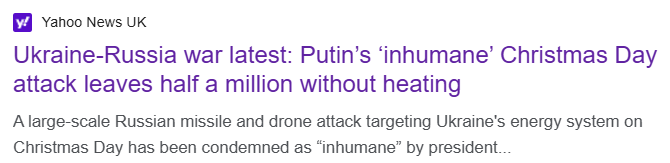
Such headlines often highlight the human cost of the conflict, featuring stories of civilian casualties, displaced families, and destroyed infrastructure. The narrative emphasizes accountability, with leaders like Vladimir Putin directly implicated. This framing aligns with a broader Western political consensus that views Russia’s actions as a threat to global stability. By using emotionally charged language, the media galvanizes support for Ukraine while reinforcing the notion that Russia’s actions are unequivocally wrong.
The Language of Complexity: Israel in Gaza
In contrast, Western media headlines about Israel’s military actions in Gaza often adopt a more nuanced tone. While civilian casualties are reported, the framing frequently includes Israel’s justification of self-defense. Headlines such as “Israel Strikes Gaza After Hamas Rocket Fire” or “Gaza Civilians Caught in Crossfire as Israel Hunts Militants” emphasize the context of Hamas’s activities, framing Israel’s actions as a response rather than unilateral aggression.
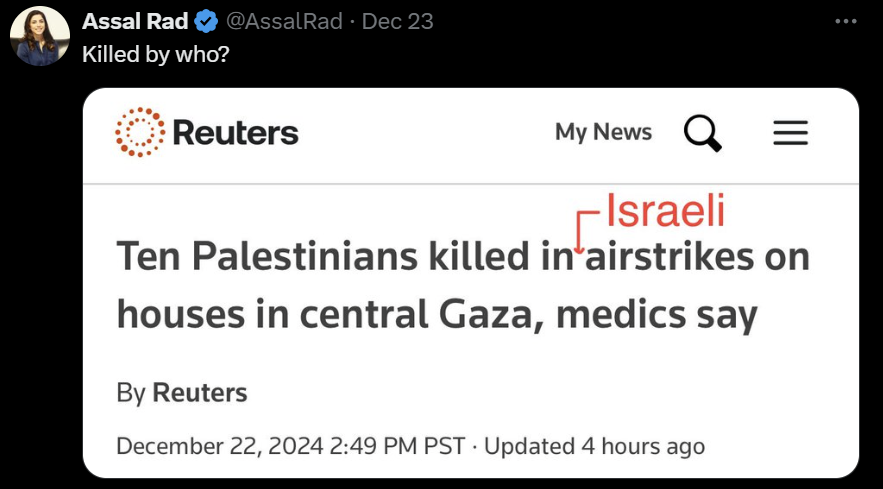
The language used in these headlines often portrays the situation as a complex and morally ambiguous conflict. Terms like “targeting militants,” “defensive strikes,” and “crossfire” shift focus away from the human toll and towards the strategic or military objectives of Israel.

When reporters mention civilian casualties, they frequently frame them as collateral damage caused by Hamas’s supposed use of ‘human shields’ or its operations in densely populated areas.
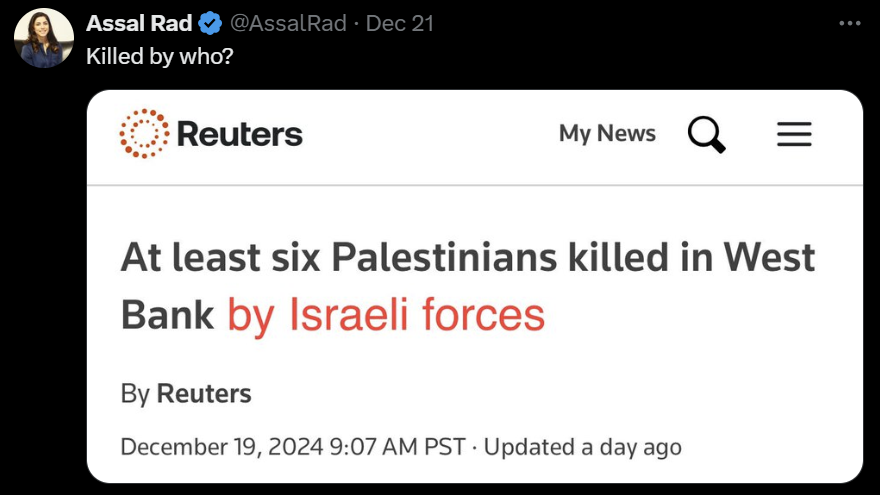
This framing can downplay Israeli accountability and obscure the disproportionate impact of its actions on Palestinian civilians. By emphasizing the challenges of urban warfare and the threat posed by Hamas, such headlines often lend implicit legitimacy to Israel’s military operations.
Ethical Questions and Implications
The differing treatment of these conflicts raises important ethical questions about journalistic objectivity and responsibility. One fundamental issue is the power of framing. Headlines serve as the entry point for most readers, shaping their initial perception of events. When one conflict is framed as clear-cut aggression and another as a complex struggle, the public’s understanding and empathy are influenced accordingly.
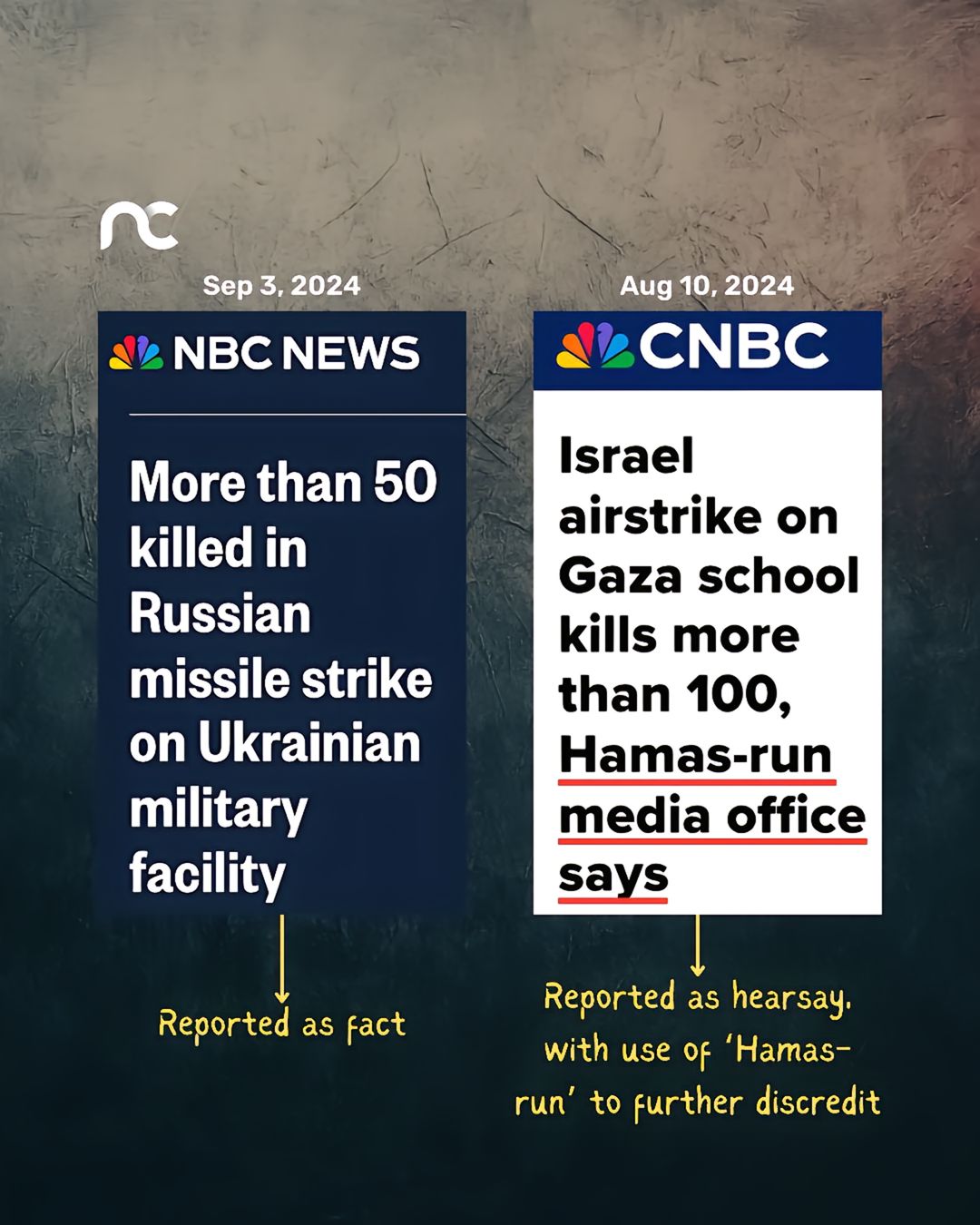 The ethical principle of impartiality demands that journalists present facts without bias. However, the language and tone of headlines often reflect broader geopolitical alignments and cultural affinities. The Western media’s strong condemnation of Russia aligns with the political and economic interests of NATO countries, which support Ukraine. Conversely, the more balanced or cautious tone in coverage of Israel reflects the longstanding alliance between Western nations and the Israeli state.
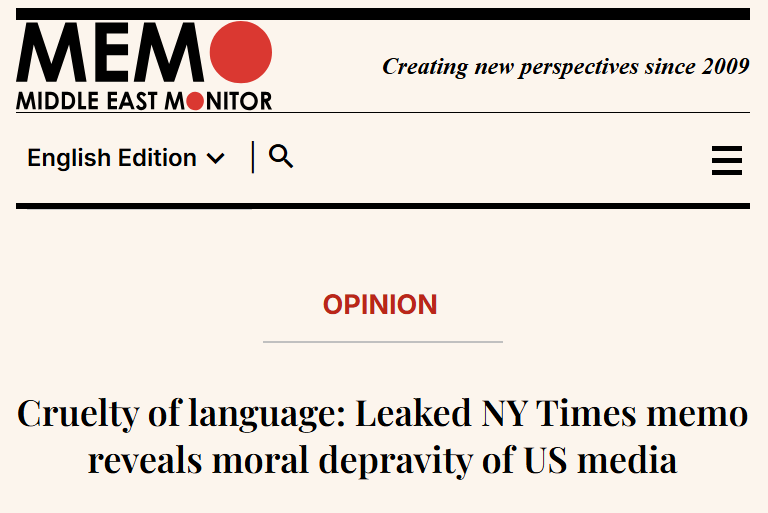
Another ethical concern is the selective emphasis on civilian casualties. Journalists rightly criticize Russian actions in Ukraine for their devastating impact on civilians but often mute similar scrutiny when reporting on Gaza.
This discrepancy raises questions about the media’s commitment to universal human rights. Civilian lives lost in Gaza should be as newsworthy and deserving of empathy as those lost in Ukraine, yet the framing can suggest otherwise.
Final Note
The contrasting headlines about Russia’s actions in Ukraine and Israel’s operations in Gaza reveal a troubling inconsistency in Western media’s approach to reporting conflicts. While Russia is unequivocally condemned, Israel’s actions are often contextualized or justified. This disparity raises ethical questions about impartiality, human rights, and the role of media in shaping public opinion.
If the media is to uphold its responsibility to truth and justice, it must apply consistent standards of language and framing, regardless of the actors involved or the geopolitical context.
Watch the video here:
More of The Other Side:
U.S. and U.K. Arms Support for Israel: Complicity in the Gaza Conflict
‘We Spread Misinformation’ – Ex-CBS Photojournalist Sets Himself on Fire in Protest
Military Detention for Palestinian Minors, Juvenile Courts for Israelis
Keep up with #TheOtherSide on Telegram and TikTok.
@the.other.side77
Share this content: