
A 60-year-old man in Brazil recently underwent an unusual surgery to remove 35 large bladder stones, with doctors linking the condition to his long-term habit of drinking up to three liters of cola every day.
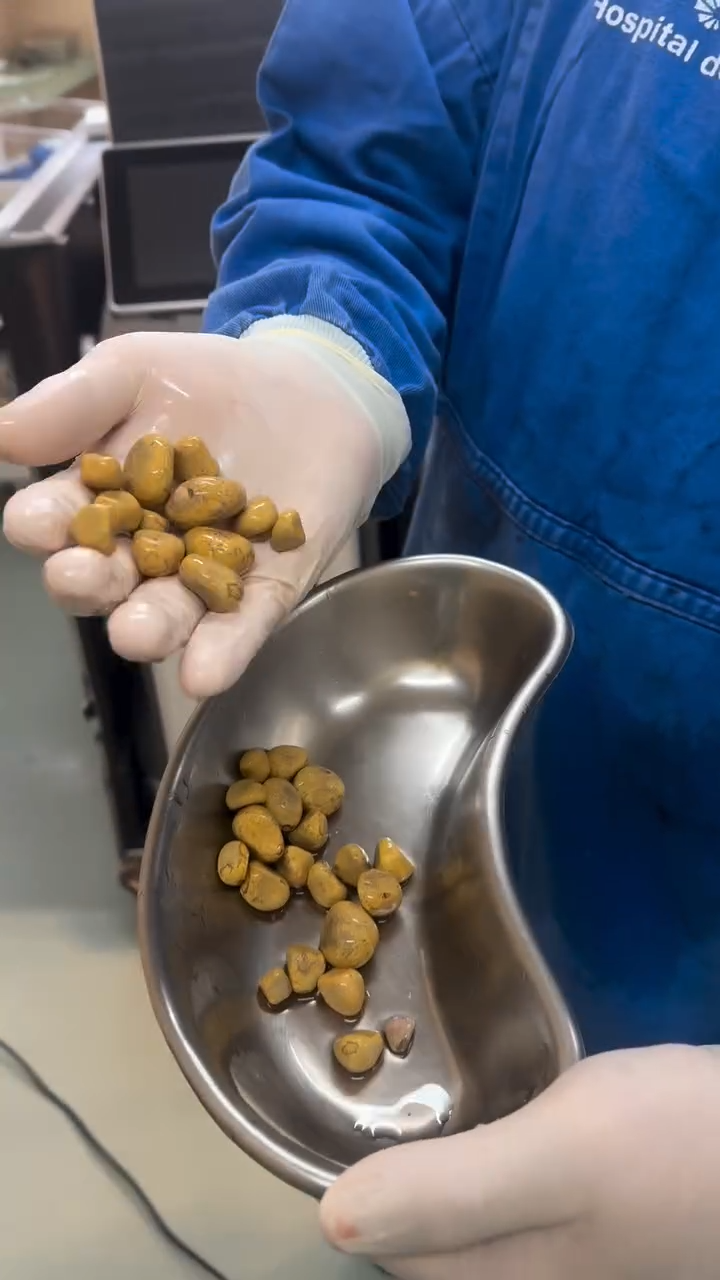
The man had endured nearly four months of urinary pain and discomfort before finally seeking medical help.
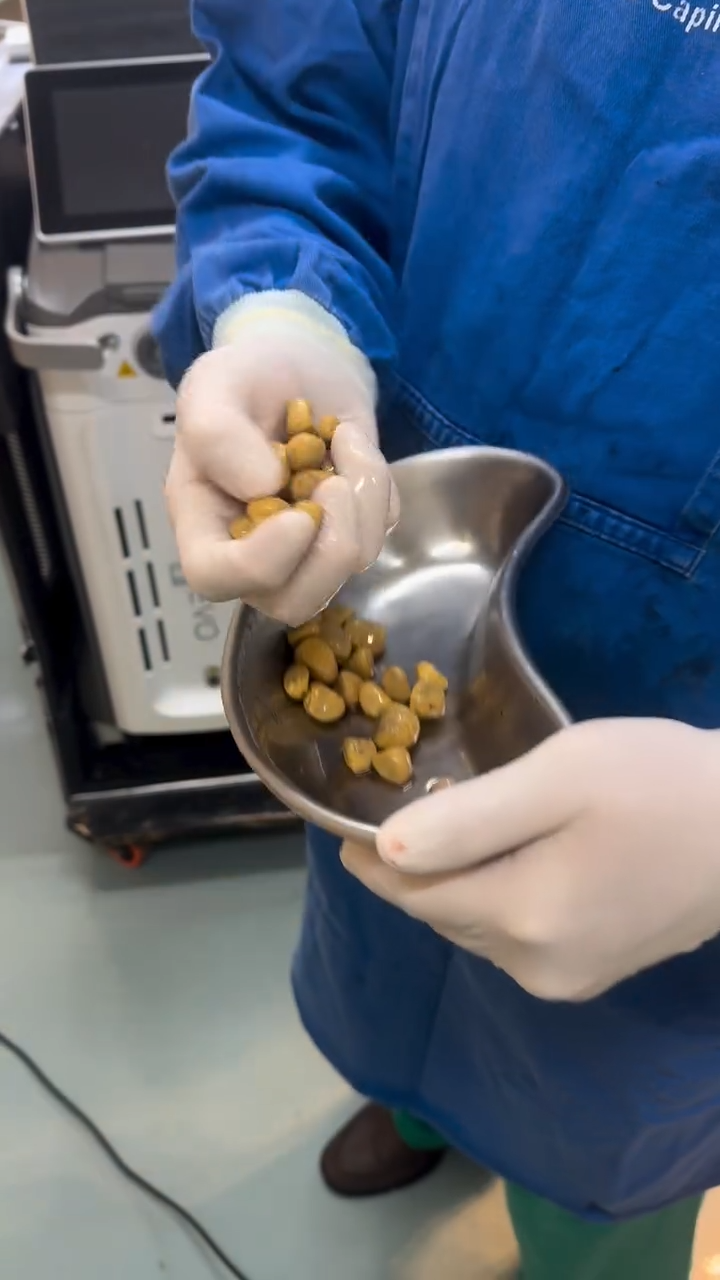
Tests revealed dozens of stones, each measuring over one centimeter, lodged in his bladder and collectively weighing about 600 grams.
Cola Addiction Blamed for Stone Buildup
The man’s soda-heavy diet — specifically Coca-Cola — became the prime suspect. The beverage’s high levels of sugar, caffeine, and phosphoric acid are all known contributors to the formation of urinary stones.
In addition to his soft drink intake, the patient consumed very little water and suffered from urinary retention caused by an enlarged prostate. These conditions created a perfect storm for mineral deposits to accumulate and harden inside the bladder.
Two-Hour Surgery Uncovers Shocking Stone Load
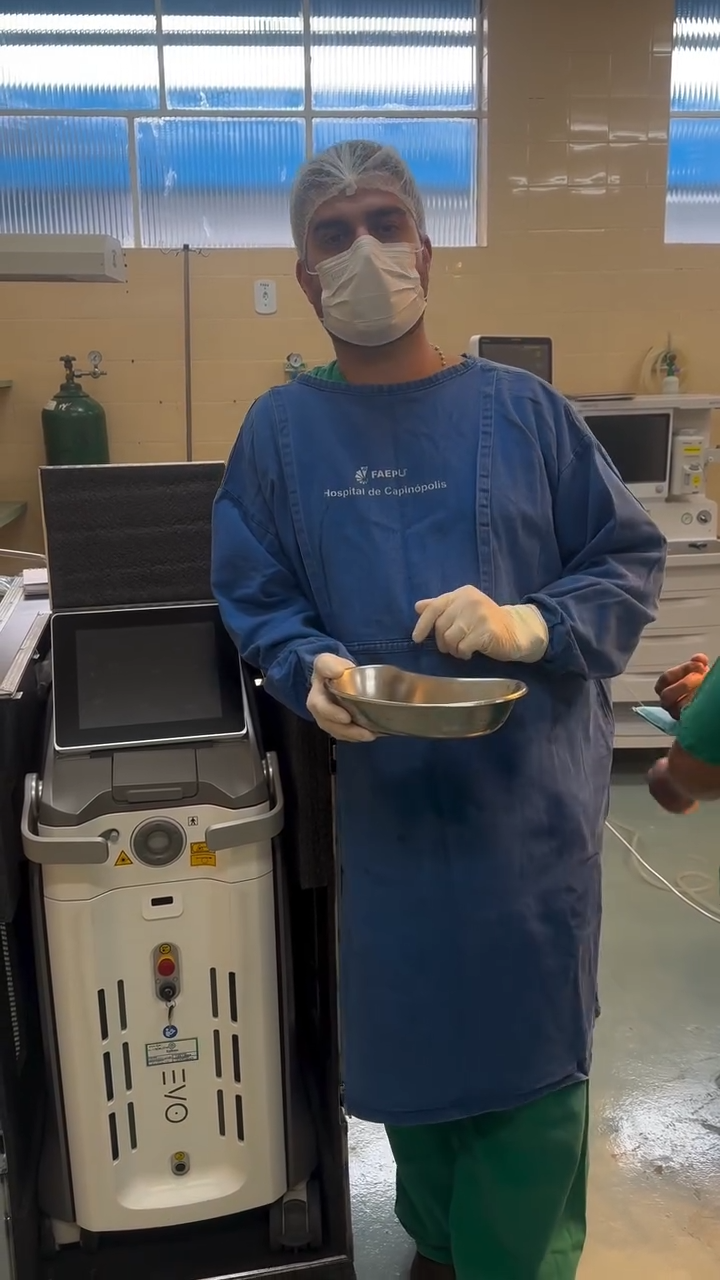
Urologist Dr. Thales Franco de Andrade performed the open bladder surgery, known as a cystostomy, and shared the case to raise awareness about the risks tied to sugary drinks and dehydration.

The two-hour procedure revealed a rare and extreme accumulation of stones — a result of long-term lifestyle choices.
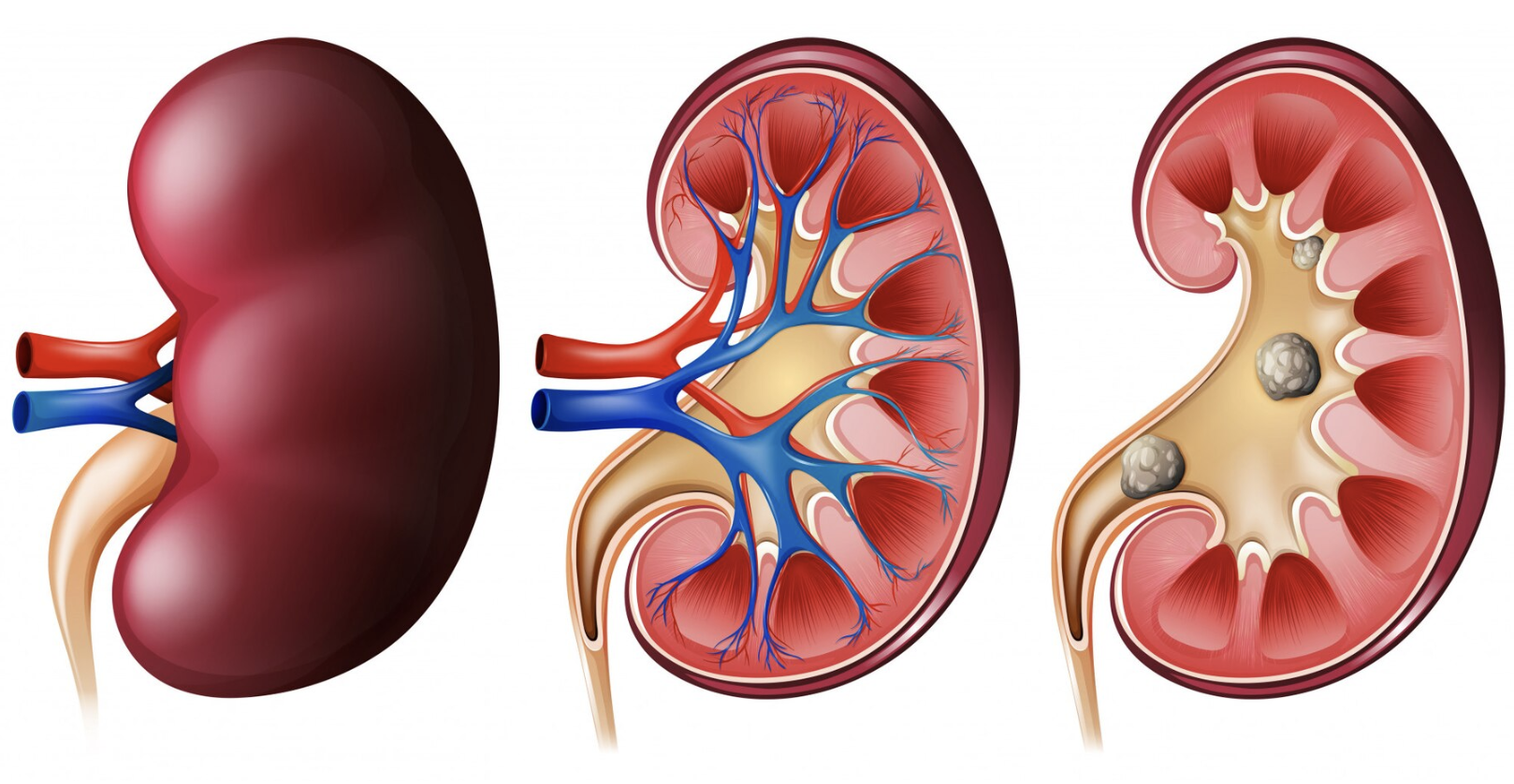
Bladder stones form when concentrated urine allows minerals to crystallize. In this patient’s case, years of dehydration and soda consumption rapidly worsened the issue.
Medical Community Sounds the Alarm
Though kidney stones are a relatively common health issue, such a large number and size in the bladder are highly unusual. The National Institutes of Health has previously warned that drinking even one soda a day can raise the risk of urinary stones by 23%. This is largely due to ingredients like high-fructose corn syrup and phosphoric acid, both of which affect urine chemistry.

Health experts also caution that even sugar-free sodas can be harmful due to phosphoric acid content, which may disrupt the body’s ability to regulate minerals. Caffeine, meanwhile, acts as a diuretic and can further contribute to dehydration — a major factor in stone formation.
Patient Recovering, Doctor Urges Lifestyle Changes
The man has since made a successful recovery and reported significant improvement in his condition. Dr. Andrade emphasized the importance of drinking enough water, reducing soda consumption, and not delaying medical consultations when experiencing urinary discomfort.
The case was a wake-up call as Dr. Andrade said. “What we drink every day has a direct impact on our health. Long-term soda consumption isn’t just a diet issue — it can lead to painful and serious complications.”
This case underlines the importance of proactive health habits and paying attention to early warning signs before conditions worsen.
Watch the video here:
@metropolesoficial O #urologista Thales Franco de Andrade realizou a retirada de múltiplos #cálculosrenais em um paciente que consumia diariamente de 2 a 3 litros de refrigerante. O #médico explicou que o excesso de refrigerantes, especialmente os ricos em ácido fosfórico e açúcar, pode favorecer a formação de cálculos de oxalato e fosfato de cálcio, tanto nos rins quanto na bexiga. Além disso, a baixa ingestão de água, a acidificação da urina, o aumento da excreção de cálcio e os níveis elevados de oxalato aumentam significativamente o risco de desenvolver pedras nos rins. #TikTokNotícias
More of The Other Side:
China Launches World’s First Commercial 10G Broadband Network in Hebei
Japanese Mother Arrested After Admitting to Drowning Her Baby
Keep up with #TheOtherSide on Telegram and TikTok.
@the.other.side77
Share this content: