The concept of 3D-printed meat is no longer confined to the realm of science fiction. This groundbreaking technology, which combines advances in biotechnology and additive manufacturing, is poised to revolutionize the way we produce and consume meat.
Unlike traditional lab-grown meat, 3D printing allows for unparalleled precision in replicating the texture, flavor, and appearance of conventional cuts of meat, offering a sustainable and ethical alternative to factory farming, as per Nature Communications.
How 3D-Printed Meat is Made
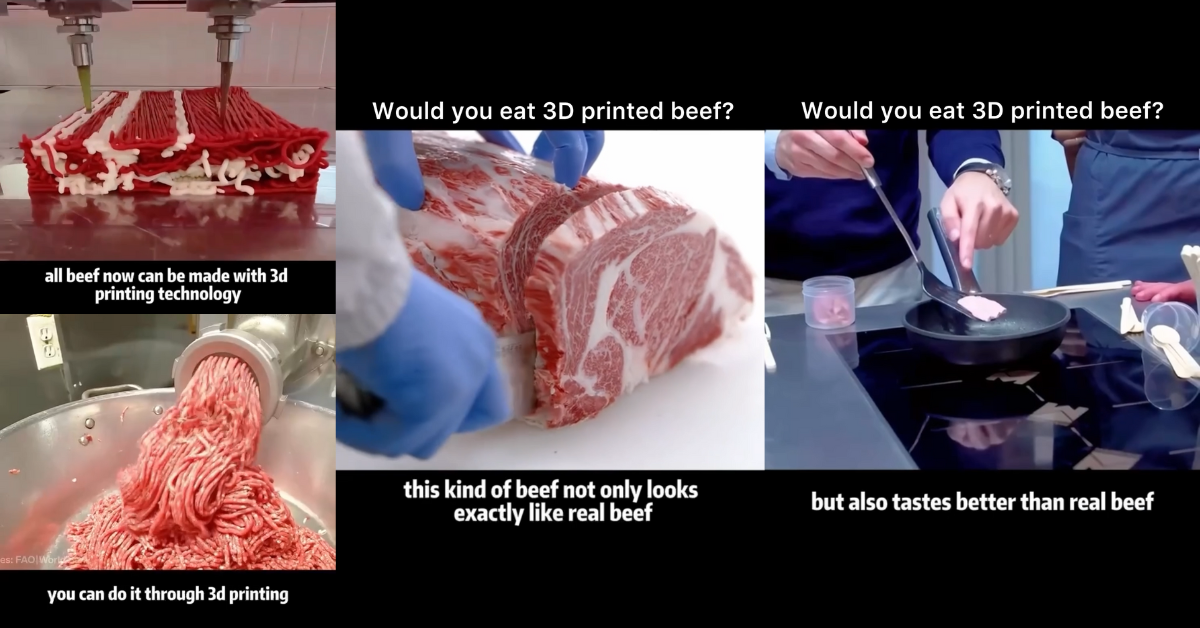
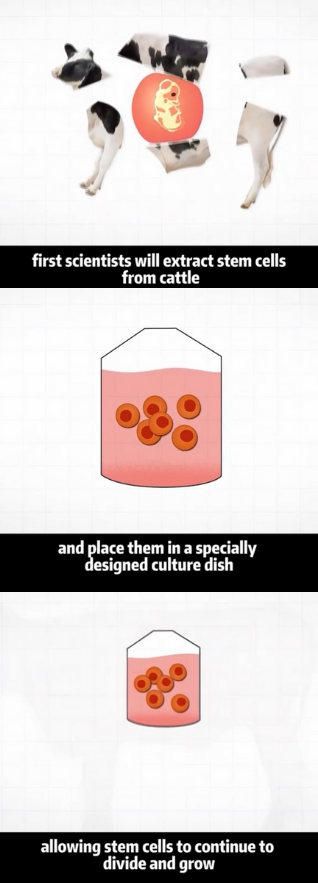
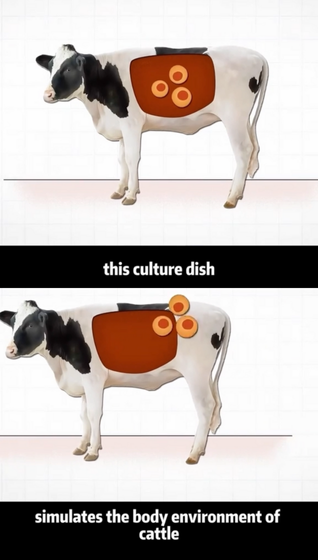
3D-printed meat uses animal stem cells cultivated in a laboratory. Scientists extract these cells through a minimally invasive biopsy and grow them in nutrient-rich bioreactors. They then convert the cultivated cells into bio-inks and load them into a specialized 3D printer.
Layer by layer, the printer builds the meat, mimicking the structure of muscle fibers and fat to create a product that closely resembles traditional meat.
This process goes beyond simply growing meat in a lab. The integration of 3D printing enables the creation of complex and customizable meat structures that were previously unattainable.
From marbled steaks to intricately structured chicken breasts, 3D printing can replicate even the most delicate details of natural meat cuts, says Aleph Farms.
Sustainability and Health Benefits
The technology offers numerous advantages over conventional meat production. One of the most significant benefits is sustainability. 3D-printed meat requires significantly less land, water, and energy than traditional farming.
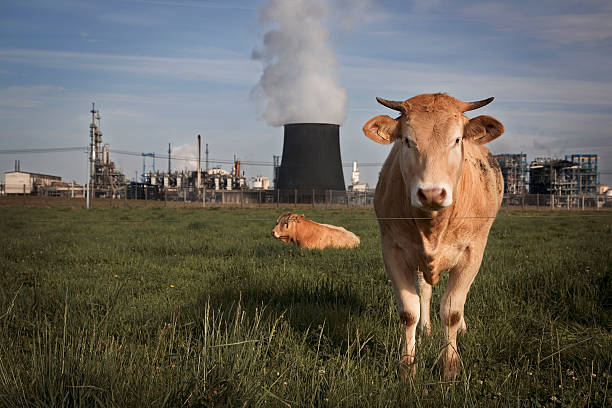
According to Financial Times, it also generates fewer greenhouse gas emissions, making it a greener option for feeding a growing global population. Additionally, the ability to fine-tune the composition of 3D-printed meat allows producers to create healthier options. For instance, they can adjust fat content or enrich the meat with vitamins and minerals.
Addressing Ethical Concerns
By eliminating the need to raise and slaughter animals, 3D-printed meat addresses animal welfare concerns while still providing a high-quality protein source. This shift not only reduces the suffering of animals but also decreases the risks associated with factory farming, such as zoonotic diseases and antibiotic resistance.
The ethical implications are profound, as this technology could pave the way for a more humane and compassionate food industry.
Challenges to Overcome
While the potential of 3D-printed meat is immense, several hurdles remain. Producing 3D-printed meat is still expensive compared to conventional methods. However, as technology advances and scales up, costs are expected to decline.

Ensuring the safety and quality of 3D-printed meat requires rigorous testing and regulatory oversight, which can delay market entry (Steakholder Foods, November 2022). Public perception of lab-grown and 3D-printed food remains a barrier. Clear communication about the benefits and safety of this technology is crucial to gaining consumer trust.
Pioneers in the Field
Companies like Aleph Farms and Redefine Meat are at the forefront of this innovation. Aleph Farms has already created 3D-printed steaks, while Redefine Meat is exploring plant-based alternatives using similar techniques.
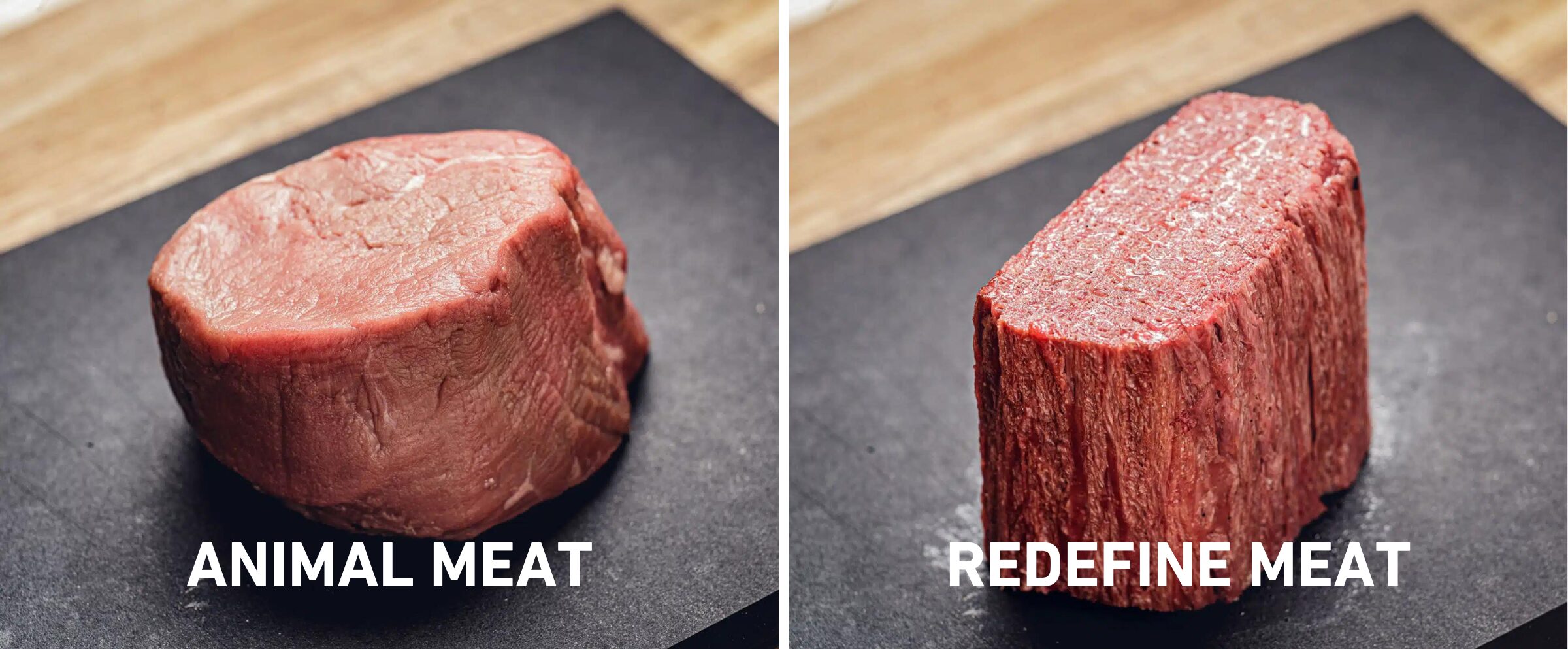
These pioneers aim to make 3D-printed meat available to consumers worldwide, with some products already receiving regulatory approvals in select markets. For example, the United Kingdom became the first European country to approve lab-grown meat in 2024, highlighting progress in the regulatory landscape.
A Vision for the Future
The rise of 3D-printed meat marks a turning point in the global food industry. By leveraging cutting-edge technology, this approach offers a sustainable and ethical way to meet the world’s growing demand for meat without compromising on quality or taste.
As advancements continue, 3D-printed meat could become a staple on dinner tables, heralding a new era of sustainable food production.
Watch the video here:
@foodporn Would you eat 3D printed meat? 🥩🤷🏽♂️ #fyp #foryou #3d #3dprinting #food #beef #meat #steak #fake #foodporn
More of The Other Side:
China’s $50 Billion Commitment to Africa: Boosting Military, Economic Ties and Shaping the Future
World’s Shortest and Tallest Women Share Memorable Tea at London’s Savoy
Keep up with #TheOtherSide on Telegram and TikTok.
@the.other.side77
Share this content: