Article by Viory
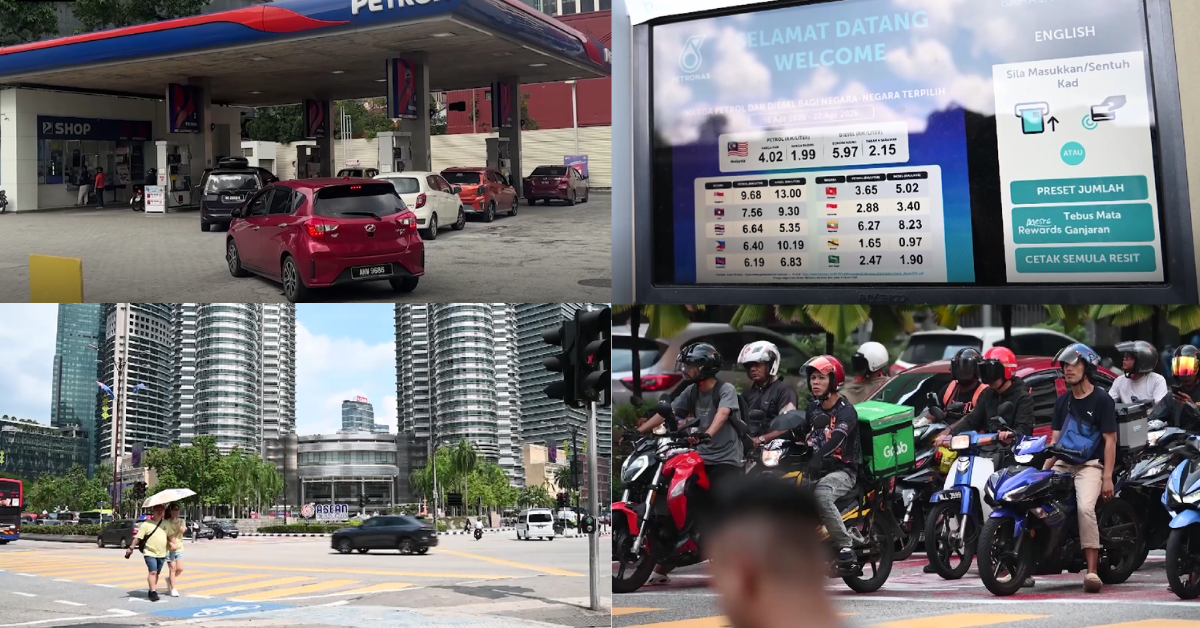
Locals in Kuala Lumpur said the global energy crisis has only reinforced the need for countries to reduce their reliance on a single power for economic stability on Thursday, as Malaysia rolls out a new work-from-home policy for civil servants.
“The crisis currently taking place <…> has affected the global economy, with oil prices rising, and of course, once oil prices go up, the prices of other raw materials will also increase,” said local resident Syai Rez.
“Although Malaysia is not exempt from feeling the spillover effects of this instability, it has also given us a new perspective,” he continued.
“It offers a different point of view for other countries, so that we do not rely too heavily on a single nation to maintain peace or safeguard the global economy.”
It comes as global markets face intense pressure linked to tensions in the Strait of Hormuz, a crucial chokepoint for around 20 per cent of the world’s oil and liquefied natural gas supplies.
Malaysia’s government has introduced a policy allowing up to 200,000 civil servants to work remotely three days a week from April 15, aimed in part at reducing costs linked to commuting and fuel consumption.
While some residents welcomed the move as a practical response to rising living costs, others pointed to its limitations. Rez noted that private sector workers may not benefit in the same way.
“Many private companies do not have as many employees as government institutions. So even if their staff work from home, they would still need to pay office rent and utility bills,” he said.
Other residents said the shift could still offer benefits, including reduced pressure on transport and increased use of digital tools.
“Sometimes, difficult situations also bring certain benefits. Nowadays, many people are already used to online communication, so we should try to hold meetings online whenever possible,” said a local business owner.
The policy applies to eligible civil servants in Putrajaya, Kuala Lumpur, Selangor and other state capitals who live more than eight kilometres from their workplaces, excluding those in essential sectors such as security, defence, healthcare and education.
The move comes as tensions in the Middle East and Washington’s ongoing blockade of Iranian ports in Hormuz continue to disrupt energy markets.
Article by Viory
Related Post:
Share this content: