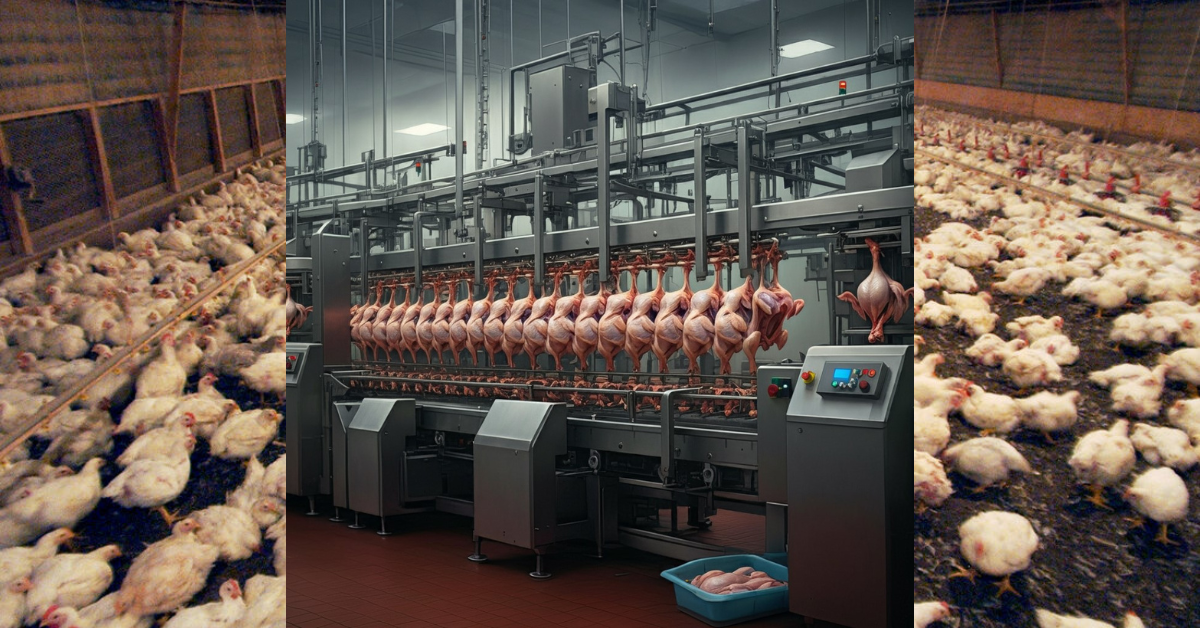
In poultry farming, technology is revolutionizing every stage of production. Starting in the 20th century, artificial insemination allowed farmers to better control and enhance genetic traits in poultry, becoming a foundation of modern breeding methods. Today, with advancements like artificial intelligence (AI) and robotics, poultry farms can manage flocks more effectively and automate processes, including slaughterhouse operations. These innovations not only drive productivity but also enhance food safety measures.
How did poultry farming evolve from artificial insemination to AI-driven practices, and what could this mean for the industry’s future? Let’s explore this technological transformation.
Artificial Insemination in Poultry: Transforming Breeding Practices
Introduced to poultry farming in the 1930s, artificial insemination (AI) was a breakthrough that reshaped breeding practices in the industry. It became especially valuable in turkey and broiler farming, where natural mating posed challenges, particularly due to the size differences between males and females. Through AI, farmers gained control over genetic selection, enabling them to enhance traits such as growth rates, egg production, and disease resistance.
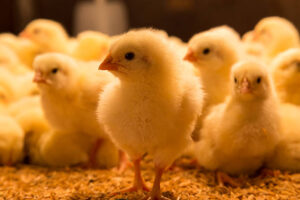
AI has facilitated selective breeding, improving flock health and productivity by ensuring only the healthiest birds reproduce. This technique, however, is labor-intensive and involves manually collecting semen from roosters and inseminating hens. While this method is essential for meeting the global demand for poultry, it has raised ethical concerns regarding animal handling and treatment. Despite its challenges, artificial insemination remains vital in advancing poultry genetics and increasing production efficiency across the industry.
Robotics Revolutionizes Poultry Processing
Fast forward to the 21st century, and the poultry industry is once again embracing transformative technologies—this time through artificial intelligence and robotics. By the 2010s, AI began finding applications in farming, and the poultry sector adopted automation rapidly.
AI’s impact is particularly noticeable in poultry processing, one of the most labor-intensive and risky aspects of the industry. In these facilities, workers involved in deboning chickens endure repetitive, high-speed tasks that lead to physical strain and injuries over time.
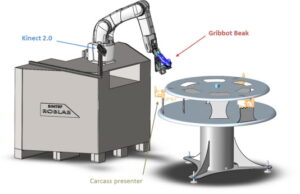
AI-driven robots, such as Gribbot, which debuted in 2015, can debone chickens with remarkable precision and speed, lowering labor costs and reducing workplace injuries. Today, AI systems process poultry with greater efficiency and hygiene, benefiting food safety.
Moreover, AI has extended beyond processing to flock management. Modern AI-driven systems monitor and analyze feeding patterns, health, and environmental conditions, allowing farmers to take proactive measures to improve animal welfare and productivity.
Quality Control and Packaging with AI
Another breakthrough AI application is quality control. Imaging systems detect defects like broken bones or damaged tissue, ensuring only high-quality meat reaches consumers while minimizing waste. In sorting and packaging, AI can perform tasks traditionally requiring large human teams. For example, advanced sensors in AI systems can sort eggs based on size, quality, and structural integrity.
As AI and robotics evolve, these technologies address challenges related to labor shortages, production costs, and food safety, providing continuous and unparalleled efficiency that humans alone cannot match.
Addressing Challenges and Ethical Concerns
While the advantages of AI in poultry are evident, automation raises ethical concerns, particularly job displacement. According to a 2024 Bloomberg report, increased AI use in chicken processing has already begun replacing human labor. However, proponents argue that while manual jobs may decline, demand for technical skills to operate, maintain, and troubleshoot AI systems will grow. Automation may also eliminate some of the industry’s most hazardous roles, improving working conditions.
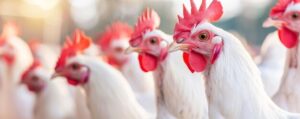
Animal welfare is another consideration. Just as artificial insemination raised ethical questions, the automation of poultry processing could appear depersonalizing. Yet, advocates suggest that AI can improve animal welfare by minimizing human error, ensuring that animals are handled consistently and humanely.
Looking Ahead: The Future of Poultry Farming
As the poultry industry advances, it is set to integrate both long-standing and cutting-edge technologies, from artificial insemination to AI and robotics. Artificial insemination remains crucial for enhancing genetic traits, ensuring future generations benefit from optimized breeding. Meanwhile, AI and robotics are reshaping how poultry is raised, processed, and managed, promising a smarter, safer, and more efficient industry.
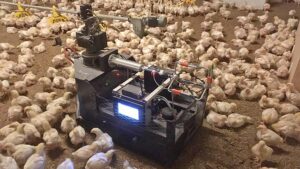
In an era of growing food security challenges, these innovations provide critical solutions. Increased productivity, enhanced food safety, and more humane animal treatment are just a few of the advantages AI and automation offer. Moving forward, the industry must balance these benefits with ethical concerns surrounding labor and animal welfare, ensuring that technology complements rather than replaces human and animal well-being.
Watch a video here:
Share this content: