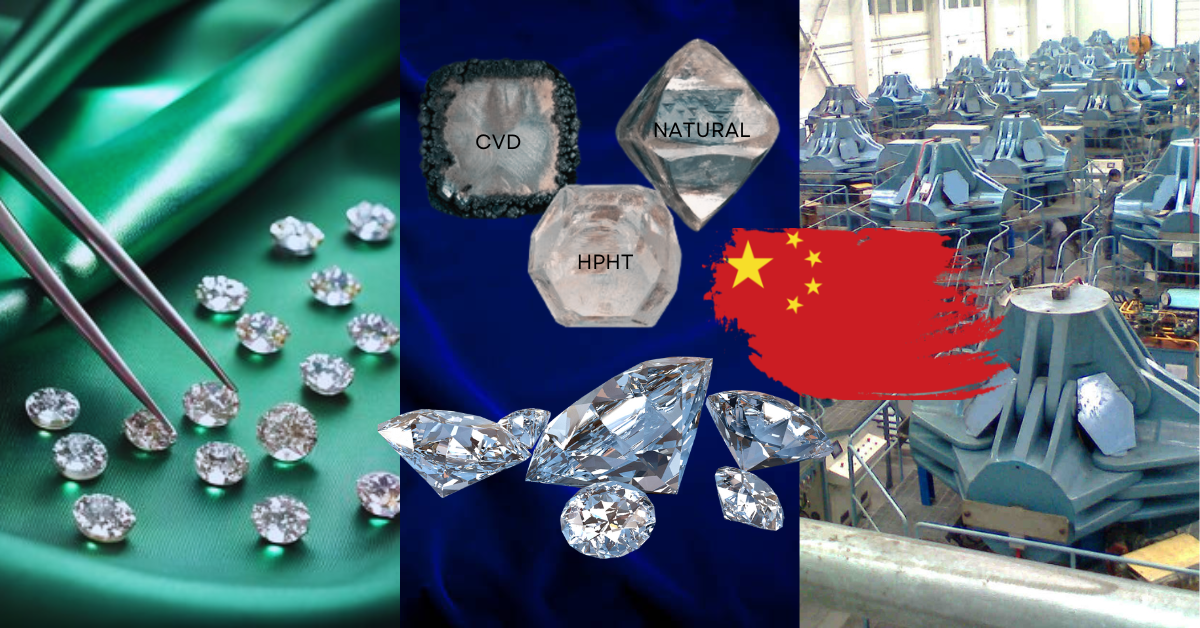
For over a century, De Beers epitomized the diamond market, shaping its narrative, controlling supply, and dictating prices. Today, that dominance is being eroded by a quiet yet monumental shift: China now produces 95% of the world’s lab-grown diamonds.
Kevin Walmsley, from Inside China / Business states these synthetic gems are no longer confined to luxury jewelry; they are redefining industries from heavy machinery to advanced electronics, signaling a new era for the diamond market.
Industrial Diamonds: A Growing Demand
Diamonds, the hardest natural material known, are indispensable in heavy industries. Their unique properties make them ideal for cutting, drilling, and wear-resistant coatings, vital in sectors like mining, oil drilling, and construction. China’s Henan province has become the epicenter of lab-grown diamond production, accounting for 80% of the nation’s supply.

These synthetic diamonds are engineered for diverse uses, with nitrogen added for durability or boron for semiconductor applications. As industries embrace renewable energy and electric vehicles, demand for lab-grown diamonds continues to surge.
Jewelry Market Transformation
In addition to industrial applications, lab-grown diamonds are disrupting the luxury jewelry market. While natural diamonds retain their allure, lab-grown alternatives offer a significant cost advantage. For about half the price of a natural stone, consumers can buy larger, more brilliant diamonds.
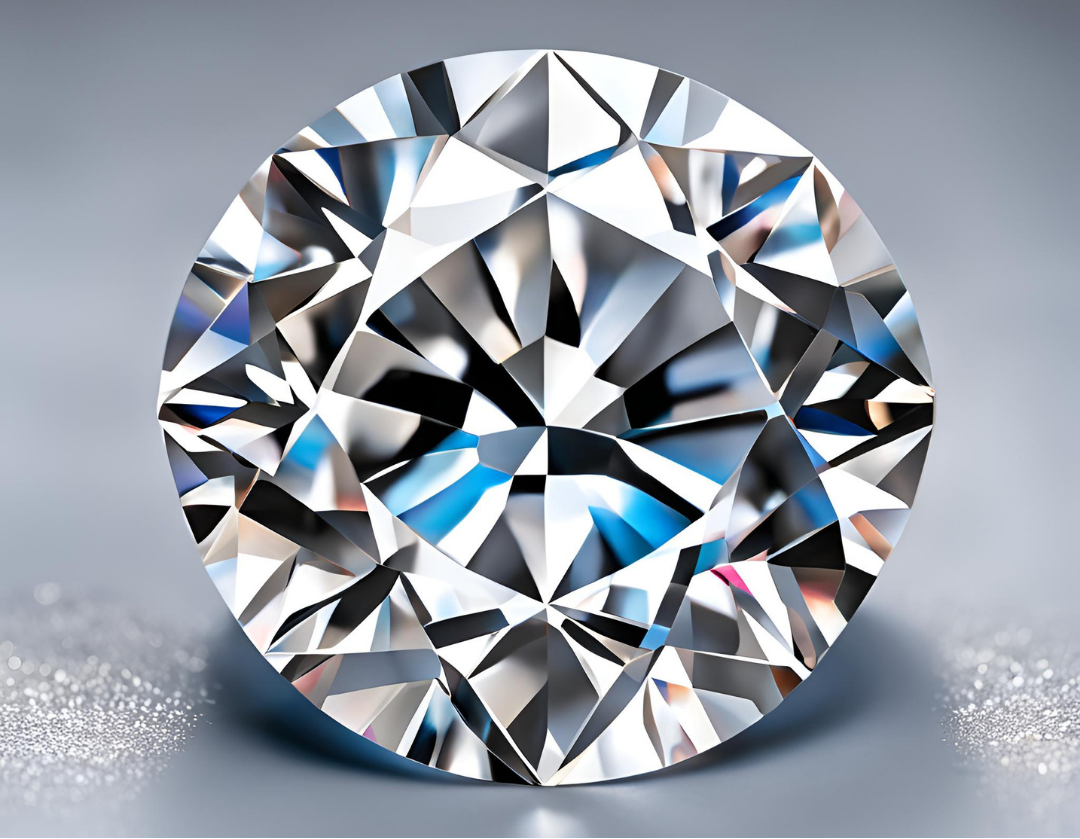
In China, custom-made lab-grown diamond jewelry is thriving. Buyers appreciate the affordability and personalization, bypassing traditional supply chains that inflate the cost of natural diamonds. This trend has gained momentum, particularly among younger consumers, who value size and sparkle over provenance.
De Beers Faces Decline
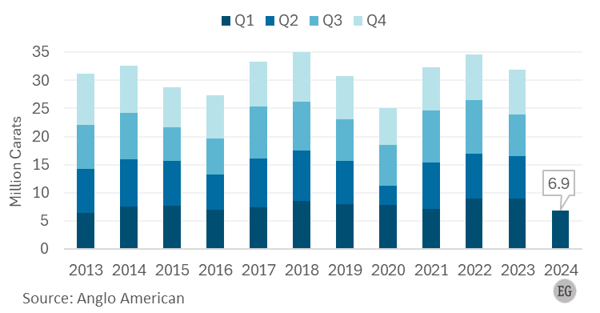
De Beers, once the uncontested leader of the diamond industry, is now grappling with a rapidly changing market. Its historical strategy of controlling supply and maintaining high prices is collapsing under the weight of lab-grown diamond production.

To adapt, De Beers had entered the synthetic diamond market, but its high production costs make it uncompetitive against China’s low-cost, high-volume manufacturing. Recent efforts to cut natural diamond prices by over 10% failed to stabilize the market, with secondary market prices still trading far below De Beers’ thresholds.
China’s Technological Edge
China’s dominance in lab-grown diamonds is underpinned by advanced technologies like Microwave Plasma Chemical Vapor Deposition (MP CVD). This process allows for precise customization of diamond properties, making them suitable for everything from semiconductors to wear-resistant tools.
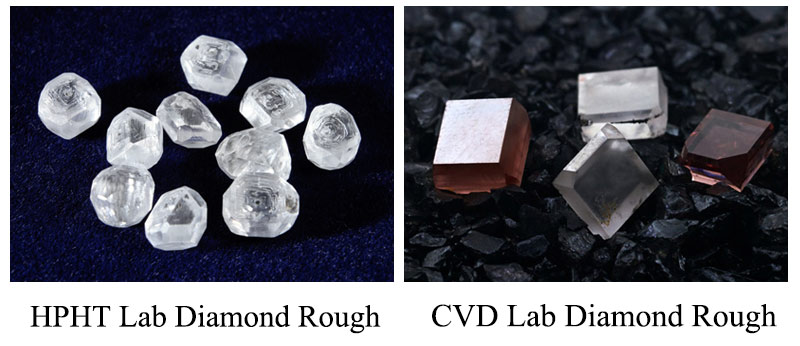
Chinese companies also benefit from an integrated supply chain. While they produce the bulk of the diamonds, high-end manufacturers in Europe, North America, and Japan use these materials to create profitable finished products. This dynamic highlights China’s pivotal role in the global diamond supply chain.
Consumer Preferences Shift
Lab-grown diamonds are reshaping consumer preferences. While surveys indicate that many buyers still prefer natural stones, purchasing trends suggest otherwise. The affordability of lab-grown diamonds allows consumers to prioritize size and brilliance over origin.
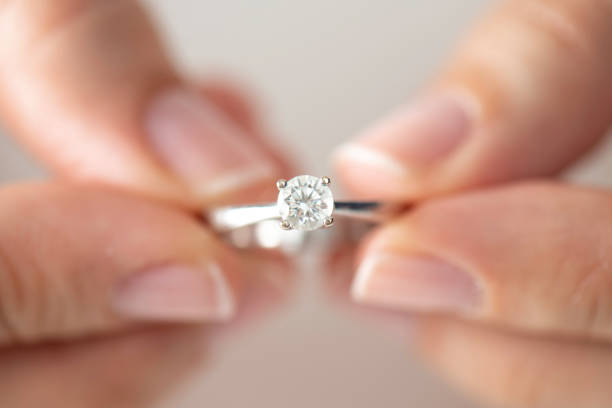
For example, a $6,000 budget can buy 1.25 carats of a natural diamond or over 4 carats of a lab-grown alternative. With no visible difference to the naked eye, many consumers opt for the larger, lab-grown option, further eroding demand for natural diamonds.
Geopolitical and Economic Implications
China’s control of the lab-grown diamond industry extends beyond economics to geopolitics. By dominating a critical step in the supply chain, it influences industries reliant on these materials, from advanced manufacturing to renewable energy technologies.
For Western countries, competing with China’s scale and efficiency poses significant challenges. Meanwhile, De Beers’ struggles highlight the broader shift in global economic power from traditional players to emerging market leaders like China.
The Future of Diamonds: Synthetic Supremacy
As natural diamond prices decline and industrial applications expand, lab-grown diamonds are set to dominate the market. De Beers, once synonymous with diamonds, finds itself struggling to keep pace with China’s technological advancements and cost efficiencies.
The diamond market is no longer just about luxury—it’s a complex interplay of industrial innovation, economic strategy, and shifting consumer values. China leads the way as the sparkle of natural diamonds is overshadowed by a man-made revolution reshaping global markets.
Watch the video here:
https://www.tiktok.com/@blcsfo/video/7445237928114048302
More of The Other Side:
China’s $50 Billion Commitment to Africa: Boosting Military, Economic Ties and Shaping the Future
Malaysia’s Oil and Gas Exploration in the South China Sea: Leaked Diplomatic Note Unveils Tensions
China Launches Shenzhou-19 with First Female Spaceflight Engineer
Keep up with #TheOtherSide on Telegram and TikTok.
@the.other.side77
Share this content: