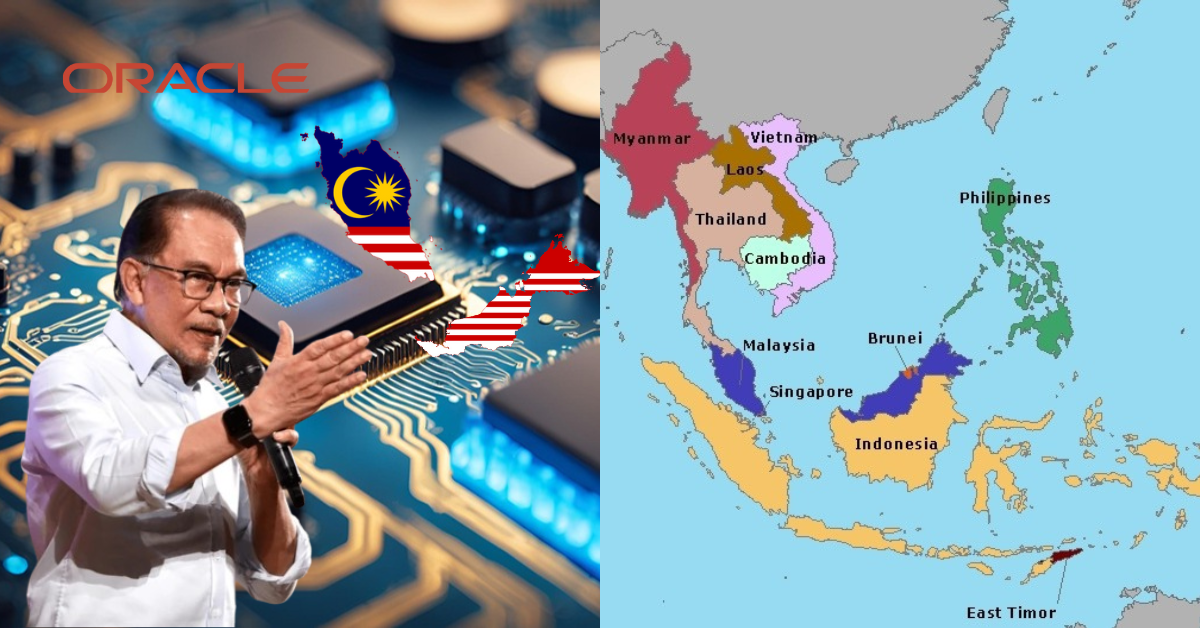
Malaysia is poised to cement its status as a key player in Southeast Asia’s semiconductor industry, leveraging a wave of foreign investments and government-backed initiatives.
With global giants like Oracle committing $6.5 billion to establish a public cloud region and a slew of investments from tech leaders such as Google and Amazon Web Services, the country is rapidly emerging as a digital and technological powerhouse.
A Perfect Storm of Investments and Opportunities
Prime Minister Anwar Ibrahim highlighted Malaysia’s appeal as an investment destination, with RM160 billion in foreign direct investments approved in just the first half of 2024. Oracle’s multi-billion-dollar commitment adds to this momentum, aligning with the nation’s ambition to become a hub for digital and technological innovation. Investments in AI, cloud computing, and advanced infrastructure demonstrate a strong foundation for the semiconductor ecosystem.

These developments are not occurring in isolation. The New Industrial Master Plan, which aims to establish 3,000 smart factories by 2030, underscores Malaysia’s focus on industrial modernization. Semiconductor manufacturing—critical for powering the AI and cloud technologies driving the fourth industrial revolution—sits at the heart of this transformation.
Semiconductors: The Backbone of Innovation
Semiconductors are the unsung heroes of modern technology, powering everything from smartphones to advanced AI systems. With global demand for semiconductors surging, Malaysia’s strategic investments in digital infrastructure position the country to capitalize on this growth. The planned Oracle Cloud Region, equipped with NVIDIA’s cutting-edge AI superclusters, will provide the computational power needed for next-generation semiconductor research and development.

Beyond Oracle, Malaysia’s established semiconductor players—such as Infineon and Intel—continue to expand operations. These companies benefit from Malaysia’s well-established supply chain, skilled workforce, and strong trade ties. This ecosystem enables the country to attract even more semiconductor-related investments, reinforcing its role as a regional hub.
Government Vision and Policy Support
The Malaysian government has been proactive in creating an environment conducive to semiconductor growth. Initiatives like the Ekonomi MADANI framework and the upcoming Third MADANI Budget aim to tackle long-standing economic challenges while prioritizing innovation and technology. These policies aim to attract further investments, reduce dependency on traditional manufacturing, and transition to high-value industries.

Prime Minister Anwar’s emphasis on good governance and clear, pro-growth policies has resonated with investors. His administration recognizes that while investments like Oracle’s boost global competitiveness, they must also address domestic challenges such as the middle-income trap. For Malaysia, the semiconductor industry represents a dual opportunity: driving technological advancement while improving wages and living standards.
Challenges to Overcome
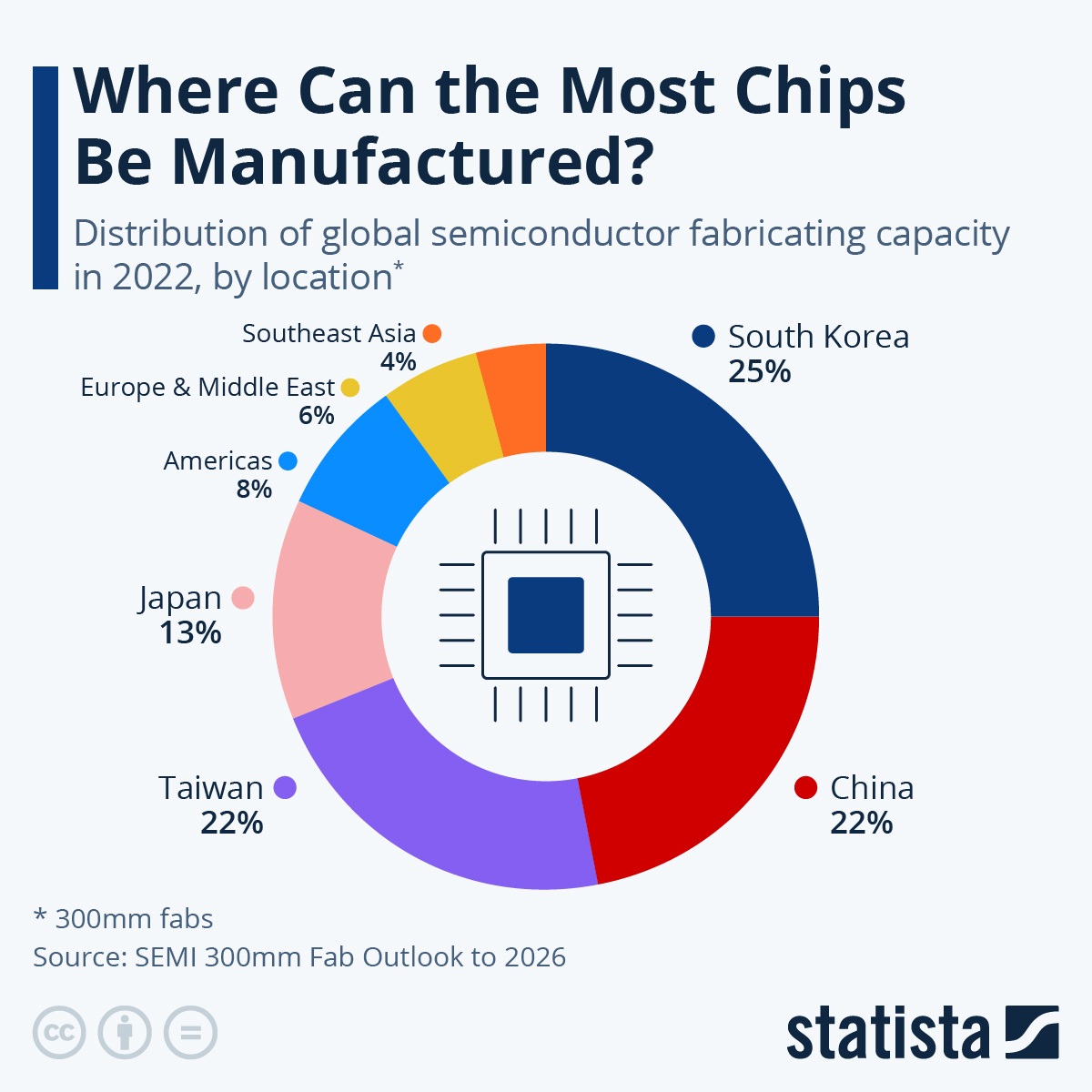
While Malaysia’s progress is commendable, challenges remain. Competition from regional players like Vietnam, Singapore, and Indonesia could dilute its leadership in the semiconductor space. Moreover, the global semiconductor industry is highly volatile, subject to shifts in geopolitical tensions and supply chain disruptions.
To sustain its growth, Malaysia must continue to invest in talent development and infrastructure. Partnerships with universities and training programs are crucial to equip the workforce with the skills required for advanced semiconductor manufacturing. Furthermore, fostering innovation through research and development will be key to maintaining a competitive edge.
The Road Ahead
Malaysia is well on its way to becoming Southeast Asia’s semiconductor hub. With Oracle’s investment serving as a catalyst, the country has an unprecedented opportunity to lead the region in semiconductor manufacturing and digital innovation. As global demand for semiconductors grows, Malaysia’s strategic location, strong policy framework, and vibrant ecosystem position it for long-term success.
As Anwar Ibrahim aptly stated, these investments are not the end but a means to achieve better living standards for Malaysians. With the right mix of vision, governance, and execution, Malaysia’s ambition to dominate the semiconductor space could soon become a reality, solidifying its role as a global leader in technology and innovation.
Read Prime Minister Anwar Ibrahim’s post here:

Watch a video here:
More of The Other Side:
Malaysia’s Oil and Gas Exploration in the South China Sea: Leaked Diplomatic Note Unveils Tensions
Malaysia’s Economic Surge: U.S. Removes Country from Currency Monitoring List in 2024
Woman Posed Half-Naked at Kota Kinabalu’s Maybank Tourist Spot, Police Investigate
Keep up with #TheOtherSide on Telegram and TikTok.
@the.other.side77
Share this content: