Article by Robin Vochelet of Pandan Brief.
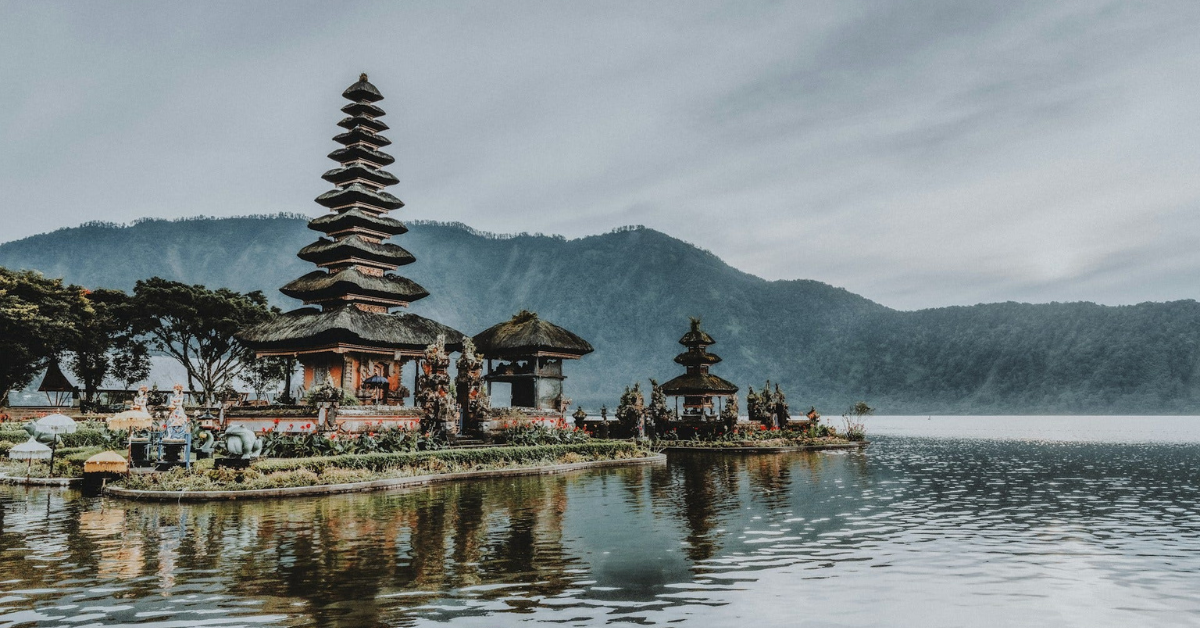
Photo credit: Kharl Anthony Paica/Unsplash.
The digital nomad craze seems to have reached DJs too. How do we prevent Southeast Asia’s rave scene from getting gentrified?
The colourful sunsets of Bali, the bustling streets of Bangkok, the white sanded beaches of Siargao — Southeast Asia is nothing short of notable cultural landmarks and breathtaking sceneries. It’s no wonder Westerners have been migrating there en masse since the COVID-19 pandemic, in search of a quieter, more balanced lifestyle than they could hope for in their home countries.
However, the process isn’t harmless. Quite the contrary, there are many reports of how foreigners have contributed to accelerating gentrification in a region that was already marred by stark socio-economic inequalities, most of which remnants from a not-so-distant colonial era.
The opening of borders in the post-Covid reality, and the increased spotlight cast on Southeast Asia, is also attracting a growing numbers of Western-based DJs and artists seeking to expand their horizons by touring the region, coupled with the growth of the regional rave scene.
For Southeast Asian audiences, hungry for harder beats and bolder sounds, this has presented unique opportunities to put the regional on the map for performers who were previously unaware they had an audience over here. As those flocks of DJs find their way to the region, it seems that gravitational field of expats and Asia-based influencers is pulling them in their direction.
What separates the touring DJ from the digital nomad or a parasitic tourist seems to boil down to what my esteemed friend and fellow writer Michelle Lhooq describes as “main character syndrome,” which in this context is the idea that having some form of artistry sets them apart and, in their mind, even above others.
Building upon Lhooq’s latest commentary on the state of the club/rave scene today, this mindset is undoubtedly a byproduct of the influencer epidemic that has come to characterize dancefloors across the globe, increasingly requiring DJs to not only perform but develop a marketable brand of their own, backed by commercial partnerships and many Instagram followers.
Influencer culture in the rave scene isn’t unique to Southeast Asia; it’s actually been called out by many in the subculture for over a year or so, especially with platforms like Boiler Room and HÖR gaining mainstream recognition all the while platforming Zionist artists and/or denying their platform to those supporting Palestinian liberation.
It’s the same influencer culture that has contributed to Southeast Asia’s accelerating gentrification over the past few years. Short-form content optimized for Instagram reels and TikTok, highlighting aesthetic cafés, posh bars and clubs, and private beaches, selling a dreamy life to the average Western tourist or expat who can purchase their share of this dream at a fraction of the cost compared to Europe or Australia or North America, but unreasonably overpriced by local standards.
Recently, it seems that this digital nomad craze has grown to include DJs too, whose social media content is becoming indistinguishable from so-called lifestyle influencers. The pursuit of the picture perfect Southeast Asian lifestyle becomes the priority; art and performance taking a backseat, merely a means to an ends.
The influencer pipeline corrupts the subculture DJs and ravers initially stem from, turning it into yet another byproduct of capitalism, a marketing and advertising strategy that trivializes rave culture at best, or actively undermines it at worst.
Connections with the local scene, grassroots movements and voices, become porous and superficial. Artists instead seek to connect with people who share their background, growing into an echo chamber that further insulates them from the reality of the place they seek to exploit for their brand. It also alienates prospects to develop a meaningful network of regional artists and performers.
Asia then becomes a spiritual washboard, a collage of aesthetic pictures and faces optimized for Instagram photo dumps, more concerned with the idea of passing as local than actually understanding the local.
This becomes apparent when things suddenly become serious — protests break down, a natural disaster strikes, political drama unfolds — and foreign artists are suddenly nowhere to be found. Asia served its purpose, it delivered an exoticized, orientalist image to their target audience, and they’re now free to stop caring about what goes on there.
This doesn’t yet acknowledge “passport bros,” or as I prefer to call them, sex pests. Western tourists, most of them white, who come to Asia with the intent to have sex with locals, often a racial fetish stemming from colonial, orientalist understandings of Asian people and societies. While most people (rightly) assume this from straight men, MSM (men who have sex with other men) are equally responsible.
Where does the issue of sex pests intersect with artists “Asian-washing” their online brand?
In a previous article, I brushed on the related issue of putting performers on a pedestal, which risks us failing to hold them accountable when needed, particularly if they appear to us as local or regional role models.
White subjugation, a product of colonialism that lingers to this day and largely feeds sexual racism, exacerbates the chances of elevating foreign performers higher than they need to be.
When foreign performers are praised for doing the bare minimum, or even nothing at all besides just showing up, they have no incentive to justify their status in the scene by platforming grassroots voices and understanding the local context.
The end result is paragraphs describing going to Yangon as a once in a lifetime opportunity without the interest or urgency to raise awareness about the political reality of Myanmar since February 2021. Or photo dumps of gorgeous sunsets and Hindu temples in Bali omitting the intense gentrification that those same performers are exacerbating, whether they want to admit or not.
Yet, when an earthquake devastates a war-torn Myanmar, with calls for donations all over social media, none of them find their ways onto those foreigners’ Instagram stories. The same thing occurs when protests erupt in Jakarta demanding more democracy and transparency from the government, which somehow fail to get even a mention from the same people who plastered their social media feed with Indonesian sceneries.
This isn’t to say foreigners shouldn’t tour Asia, far from it, but their approach and motive to do so must change.
As foreign journalists in Southeast Asia, many of us learned from experience that the way we conduct that work here is different from the West. The context is different, and while the end result of delivering news remains the same, there is a need for a socially, politically, and culturally conscious process of delivering these stories.
A process that many foreign DJs seem to think doesn’t or shouldn’t apply to them.
It’s no longer enough to expect the much-revered “Asian hospitality” without offering anything in return, it’s time for foreign artists to reciprocate and show their deservedness. Taking this one step further, it would be well within reason to expect a minimum of due diligence on behalf of touring performers, expecting them to have a minimum background information on the countries and places they hope to visit on their tours.
Often living in more open and transparent democratic societies, Western artists have a rare platform that can be an invaluable tool for speaking up on ongoing issues facing Southeast Asia’s scene. They also have leverage to educate their mostly Western-based audience, helping to raise awareness on these pressing issues.
Then again, the onus doesn’t solely fall on performers. Organizers, promoters, and audiences across Asia need to become more picky with whom they allow in the spotlight. Granting them a regional platform shouldn’t solely be based on clout and status, but also on whether the values and artistry deserve to be platformed.
Ultimately, we also need to reckon with “don’t hate the player, hate the game.”
The effort to stop, or combat the gentrification of Southeast Asia’s rave scene, requires to part ways with the ‘DJs as influencers’ model, returning to the rave as a space for music and community, without turning to DJs as real-life alternatives to God.
Read the original article here:
https://pandanbrief.substack.com/p/djs-digital-nomad-asia/
More of The Other Side:
Japanese Biotech Company Develops Revolutionary Tooth Regrowth Drug
Malaysia Wildlife Dept. Commences Study to Monitor Malayan Tiger Population
Keep up with #TheOtherSide on Telegram and TikTok.
@the.other.side77
Share this content: