On 25 February 2025, outside the Lahore High Court, Mohammad Asif Javed Jutt, a 48-year-old former Nestlé employee, set himself on fire after dousing himself in petrol. After nearly a decade of fighting for fair labor rights, he succumbed to his injuries days later.

His death symbolizes not only a personal tragedy but also highlights the deep issues of corporate impunity, judicial inefficiency, and widespread exploitation of workers in Pakistan. Jutt’s name has since become a symbol for labor rights activists and unions demanding justice and accountability from multinational companies that evade legal and ethical responsibilities.
The High Price of Fighting for Labor Rights
Asif Jutt worked at Nestlé’s Kabirwala plant for 16 years. In 2016, after trying to unionize for better conditions, he was dismissed in what labor groups condemned as retaliation. Jutt challenged the firing legally, and in 2019, Pakistan’s National Industrial Relations Commission ruled in his favor, ordering reinstatement and compensation. Yet, Nestlé resisted compliance, using its extensive legal resources to delay the case through appeals.

Without a steady income, Jutt sold his home and properties to support his family of five, falling deeper into financial hardship. Years of unresolved legal battles and constant delays led him to a tragic protest, exposing the stark power imbalance between workers and corporations.
Legal Protections: Promises Without Enforcement
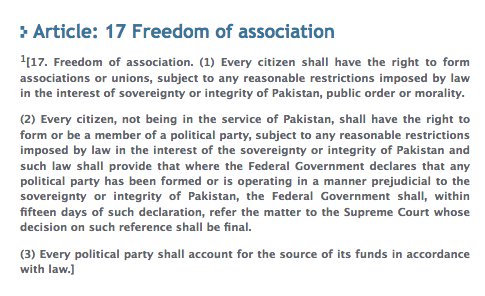
Though Pakistan’s Constitution protects labor rights—including the freedom to unionize (Article 17) and equality before the law (Article 25)—these safeguards proved ineffective for Jutt. Laws like the Punjab Industrial Relations Act prohibit unfair labor practices, but companies like Nestlé exploit loopholes and delays to avoid accountability. The system wears down marginalized workers, turning legal victories into hollow promises.

Jutt’s fight continues beyond his death. His family and supporters demand full compensation and criminal charges against Nestlé, alongside calls for systemic reforms to prevent such tragedies.
A Growing Movement for Justice
Jutt’s death has sparked a surge of activism in Pakistan. Left-wing parties such as Haqooq-e-Khalq and Mazdoor Kisan Party, alongside trade unions and civil society groups, are pushing for stronger labor laws and corporate accountability.


“The system favors corporations,” said HKP leader Ammar Ali Jan, condemning the alliance of capital, judiciary, and political elites. The movement demands swift judicial processes, enforcement of labor court rulings, and support for unions as a counterforce to corporate power.
Even Pakistan’s feminist group Aurat March has voiced support, emphasizing labor dignity and resistance against capitalist exploitation in the Global South.
A Global Battle for Workers’ Rights
Jutt’s case reflects a worldwide struggle where multinational corporations use legal tactics and financial power to suppress labor movements.
The imbalance between individuals and corporations persists globally, requiring collective action through stronger unions, international solidarity, and legal reforms that prioritize workers.
A Legacy That Endures
Though Jutt’s family remains financially vulnerable, his sacrifice has ignited a movement demanding justice and reform. His final act was a powerful call to end a system that places profit above human lives.
For those wishing to support Jutt’s family, more information is available on the Pakistan Forum’s Instagram page.
Share this content: