Article by Viory
Rubbish Piles Grow
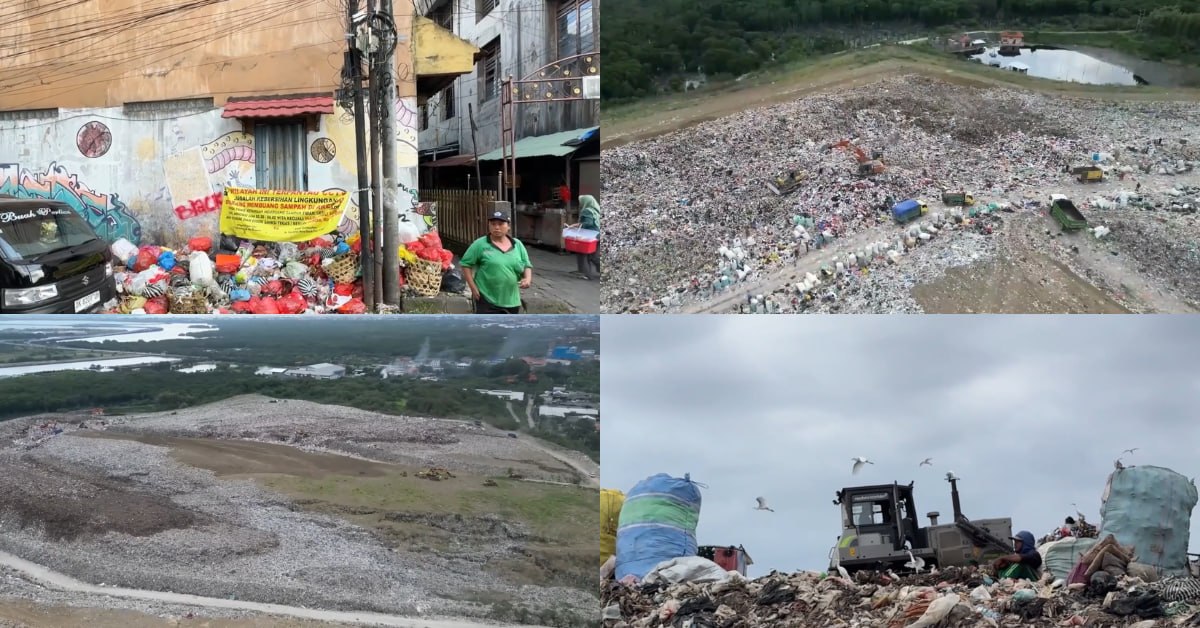
The tropical paradise of Bali has seen the phased closure of its largest waste site, the Suwung Landfill (TPA Suwung) – which has led to reports of rubbish building up in the streets – but now the government has moved to enforce ‘zero tolerance’ ban on open dumping.
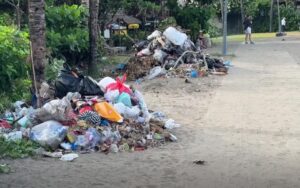
Footage filmed this week shows piles of bagged rubbish scattered along city streets despite numerous ‘Prohibited! No dumping here’ signs. The situation has been exacerbated by residents burning waste, sending acrid, toxic smoke across the tourism hub.
“Because the capacity to transport trash from temporary collection sites to trucks is limited, the waste just piles up. The smell is a massive nuisance, especially for my food stall,” commented local vendor Bagus Alit.
Landfill Closure Plans
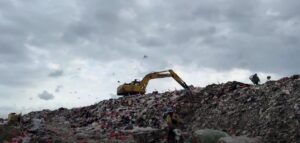
Operating since 1984, Suwung Landfill officially stopped accepting organic waste on April 1 as part of a national mandate to end open dumping. While a temporary concession currently allows organic waste disposal twice a week, the landfill is scheduled to close completely on August 1.
The move has seen authorities to scramble to manage the 1,200 tonnes of waste the site handles each day. A new waste-to-energy (PSEL) project in Denpasar is set to become operational in around 18 months.
“The government has solutions, but community implementation isn’t optimal. Household organic waste is often left for too long, causing foul odours,” noted resident Made Marini.
“We’ve implemented composting and biopores for organic waste,” Alit added. “But for non-organic residues, burning feels like the only option at the community level, even though it’s illegal. The government needs to establish better regulations for those materials.”
Waste Crisis Continues
Indonesia officially banned open dumping in 2013, and enforcement of a ‘zero-tolerance’ phase came in early 2026.
Nationally, Indonesia produces more than 40 million tonnes of waste annually; as of January 2026, only around 25 percent is handled through formal systems.
In Bali, roughly half of the 1.6 million tonnes of waste generated each year remains mismanaged, contributing to the emergence of hundreds of illegal landfills across the island’s jungles and riverbanks.
Article by Viory
Related Post:
Out of fuel, out of sea – Indonesian fishermen forced ashore as diesel hits record highs
Fabric under strain – Indonesia’s textile industry hit by rising costs amid Iran conflict
Share this content: