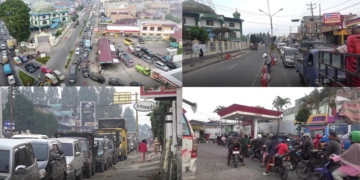
Public transportation in Bangladesh serves as a fundamental lifeline, providing affordable travel for millions daily. Yet, the system faces significant challenges.
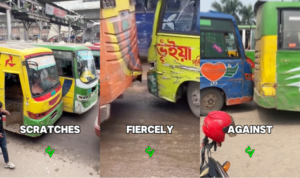
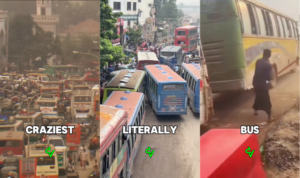
This reality was starkly presented through a recent viral TikTok by @/DriveVerse, which exposed the dire condition of public buses, highlighting overcrowded, damaged vehicles navigating heavily congested roads.
Challenges with Bus Fares and Operations
One persistent issue is the inconsistency in bus fares. Conductors face the challenge of balancing financial targets while appeasing bus owners. The Bangladesh Road Transport Authority (BRTA) has taken steps to enhance road safety.
In 2024, they introduced new speed regulations and created a committee, including experts from the Accident Research Institute and the group Nirapod Sarak Chai, to draft safety measures.
Metro Rail: A Limited Solution
The introduction of Dhaka’s metro rail in late 2022 was a landmark event, promising to alleviate the city’s notorious traffic jams. The metro can transport up to 60,000 passengers per hour, slashing travel times significantly. A trip from Uttara to Motijheel, once a two-hour ordeal by bus, now takes 40 minutes on the metro.

However, steep ticket prices have made it less accessible for the lower-income population. Additionally, the metro serves only a small section of the city, lacking integration with other modes of public transport.
Trains and Systemic Delays
The railway network in Bangladesh is extensive and serves millions annually, especially for long-distance travel. Despite its importance, overcrowding and inadequate maintenance lead to frequent and prolonged delays, adding to commuter frustration.

Within urban transport, buses hold a dominant share at approximately 65%, while trains represent just 5% of public transport usage.
Road Safety Issues
Road safety is a pressing issue, with over 4,000 fatalities reported annually by the BRTA. Contributing factors include reckless driving, crowded buses, and poor road conditions. Insufficient traffic law enforcement and the prevalence of old vehicles exacerbate these problems.

Pedestrians and cyclists face increased risks due to a lack of adequate crosswalks and designated lanes. Although awareness campaigns exist, substantial improvements remain limited.
A Look at Singapore for Comparison
Singapore’s public transport system stands as an example of efficiency and reliability. With buses, trains, and taxis seamlessly connected, the system ensures ease of travel. The country’s commitment to investing in modern infrastructure contrasts starkly with Bangladesh’s aging, overburdened system. Even when disruptions occur in Singapore, they are resolved swiftly, underscoring the benefits of strategic planning and investment.
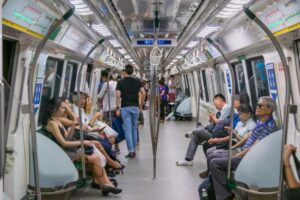
Bangladeshi train passengers, in contrast, often endure long delays that can extend hours due to the system’s overcrowding and outdated infrastructure. These conditions underscore the daily struggles faced by commuters. Singapore’s ability to handle breakdowns quickly highlights the value of its comprehensive transport policies and investments.
While Singapore’s transport success reflects careful, ongoing efforts, Bangladesh’s system points to a need for significant reforms. Recognizing these differences can offer lessons on the importance of sustainable development and prioritizing infrastructure for smoother and safer public commutes.
Watch the video here:
@driveverse Craziest TRAFFIC In The World 🤯 #supercars #exoticcar #cartrends #dreamcars #autonews #carsreels #driveverse #bangladesh
More of The Other Side:
Japanese Man with Four “Wives” Aims for 54 Children and the Title “God of Marriage”
UAE’s Role in Sudan Civil War: Growing Economic Support for RSF
U.S. and U.K. Arms Support for Israel: Complicity in the Gaza Conflict
Keep up with #TheOtherSide on Telegram and TikTok.
@the.other.side77
Share this content: