Article by Viory
Investment Block Dispute
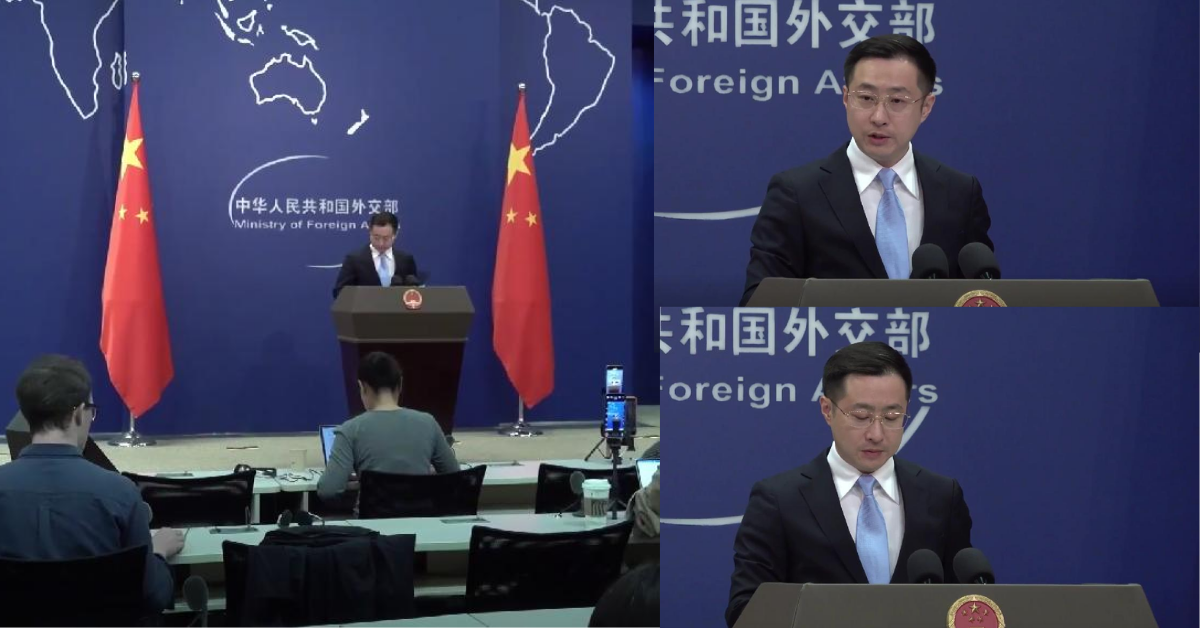
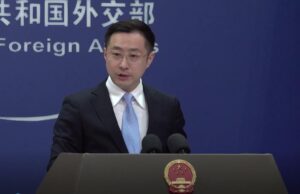
Chinese Ministry of Foreign Affairs (MOFA) spokesperson Lin Jian defended Beijing’s decision to block US tech giant Meta from purchasing two-billion-dollar AI startup Manus.
“As a matter of principle, I would like to emphasise that the Chinese government reviews foreign investment and makes relevant decisions in accordance with laws and regulations,” he said at a press conference in Beijing on Tuesday.
On Monday, the Chinese National Development and Reform Commission banned ‘foreign investment in Manus in accordance with laws and regulations’, demanding parties involved pull out the acquisition transaction.
Mark Zuckerberg’s Meta responded that the acquisition was made ‘fully with applicable law’, insisting on an ‘appropriate resolution to the inquiry’.
In July 2025, Manus closed its Chinese offices and relocated its operations to Singapore. Such a strategy, known also as the ‘Singapore-washing model’, allowed firms to circumvent US investment prohibitions against Chinese AI companies and China’s restrictions on transferring data, talent, and capital overseas.
Japan Security Criticism
The spokesperson went on to condemn as a ‘new type of militarism’ Japanese Prime Minister Sanae Takaichi’s push for the revision of the three key security documents: the National Security Strategy, National Defence Strategy, and Defence Buildup Program.
“Japan is attempting further military expansion, which the international community will never tolerate. The lessons of history are still fresh in our minds. All peace-loving countries in the world must be highly vigilant and resolutely curb the reckless actions of Japan’s ‘new type of militarism’,” he stated.
On Monday, the Japanese government launched debates on the revision of the three documents, focusing on increasing defence spending, strengthening combat capabilities and reviewing the security environment.
Since Prime Minister Sanae Takichi’s rise to power last year, Japan has adopted a policy of strengthening national security through a more assertive ‘Japan First’ strategy. Last week, Tokyo revised its defence equipment transfer rules, scrapping earlier limits on defence exports.
Yasukuni Shrine Tensions
Lin also criticised the official visit of 166 Japanese lawmakers to Yasukuni Shrine, where 14 Class-A war criminals from World War II are enshrined with millions of other war dead, on Japan’s Restoration of Sovereignty Day.
“The so-called Yasukuni Shrine is a spiritual tool and symbol of Japanese militarism’s war of aggression and is a de facto ‘war criminal shrine’. Japan’s series of negative actions regarding the so-called Yasukuni Shrine blatantly and seriously trample on historical justice and human conscience,” he stated.
China‑Japan relations remain strained after Prime Minister Takaichi said in November last year that any crisis in the Taiwan Strait could justify Japan’s use of collective self‑defence to protect the island, remarks Beijing condemned as a direct challenge to its sovereignty and a warning against reviving Japanese militarism.
Article by Viory
Related Post:
Share this content: