End of an Era for Pro-Democracy Politics
On 29 June 2025, the League of Social Democrats (LSD), a key player in Hong Kong’s pro-democracy movement, announced its disbandment. This move highlights the shrinking space for political opposition in the city, as Beijing’s firm grip continues to tighten under the national security framework introduced in 2020.

Founded in 2006, the LSD gained a reputation for its grassroots advocacy, left-leaning politics, and confrontational protest style. Even after authorities criminalised much dissent through sweeping national security legislation, the party persisted with small-scale street protests and community outreach. However, increasing pressure—from arrests and legal threats to heavy surveillance—ultimately forced the party to cease operations.
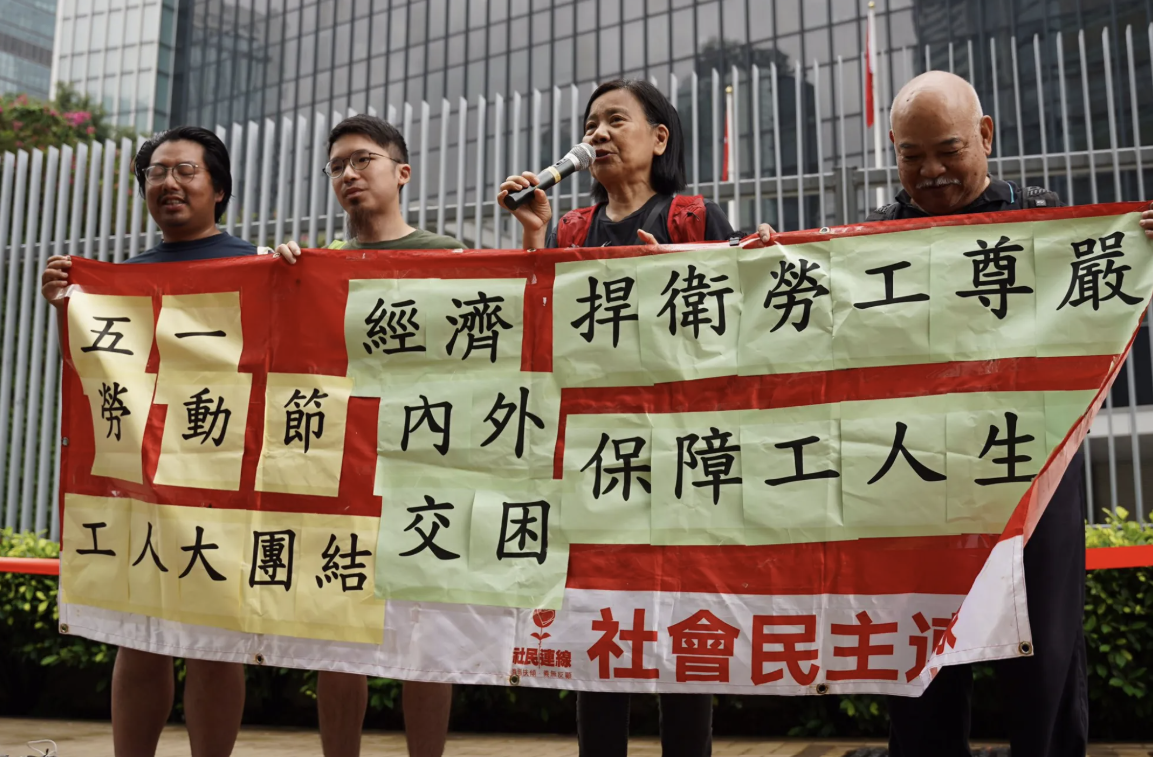
The announcement came just days before 1 July, the anniversary of Hong Kong’s return to Chinese sovereignty, once a symbolic date for large-scale opposition marches.
Years of Activism Come to a Close
At its peak, the League held three legislative seats and was a visible force in Hong Kong’s street protests. Known for provocative demonstrations, the party often drew headlines for its use of symbolic gestures—like throwing bananas at government leaders—to call attention to social injustices.
Party leader Chan Po-ying said the decision to disband followed careful consideration of the risks facing members. While she did not detail the pressure involved, she acknowledged that continuing would be unsafe.
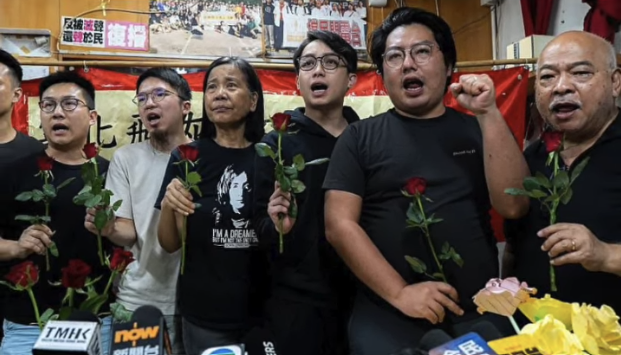
The group’s final message, titled “Rather Be Ashes Than Dust,” reaffirmed its enduring commitment to non-violent resistance. The party had continued to mark politically sensitive events—such as the 1989 Tiananmen Square massacre anniversary—even under tight restrictions, and faced repeated penalties for holding unapproved public fundraisers.
Collapse of the Opposition
The LSD joins a growing list of disbanded opposition groups. The Civic Party ceased operations in 2023, and the Democratic Party began winding down this year. Since Beijing imposed the national security law in mid-2020, scores of activists have been imprisoned or exiled, independent media has been shut down, and civil society groups have dissolved.
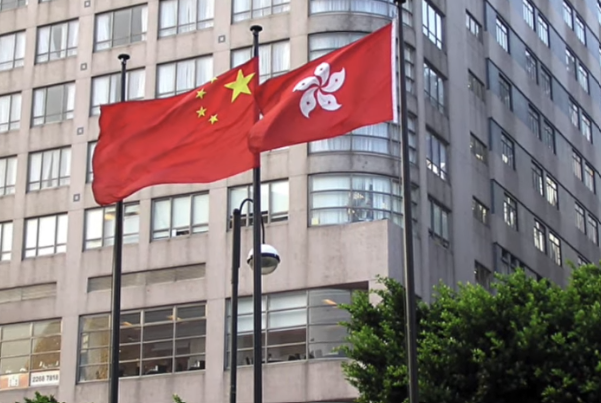
Following electoral changes in 2021 that limited office-holding to so-called “patriots,” Hong Kong’s Legislative Council now operates without any formal opposition. In June 2025, China’s top official on Hong Kong, Xia Baolong, dismissed dissent as “soft resistance” and emphasised that national security enforcement would continue.
This stance, combined with increasing enforcement, has pushed remaining activists out of public life.
Political Future in Question
The League of Social Democrats stood for 19 years as a bold counterweight to establishment politics. Despite being stripped of formal representation in 2017 and facing mounting financial and legal hurdles, it remained one of the last visible pro-democracy voices.
Its closure signals a deeper erosion of the “one country, two systems” principle, once meant to guarantee Hong Kong a degree of autonomy.
Only the Association for Democracy and People’s Livelihood remains, though its role has been minimal in recent years. The LSD’s departure marks yet another milestone in the city’s political transformation—away from pluralism and toward centralised control.
As it stepped away from the public arena, the party called on Hongkongers to keep the spirit of resistance alive, no matter how small.
Watch the video here:
More of The Other Side:
‘We Can Kill You Wherever You Are:’ Former Cambodian MP Assassinated in Bangkok; Suspect Charged
China’s Strategic Expansion: Xi Jinping Inaugurates Chancay Port Amid U.S. Concerns
Keep up with #TheOtherSide on Telegram and TikTok.
@the.other.side77
Share this content: