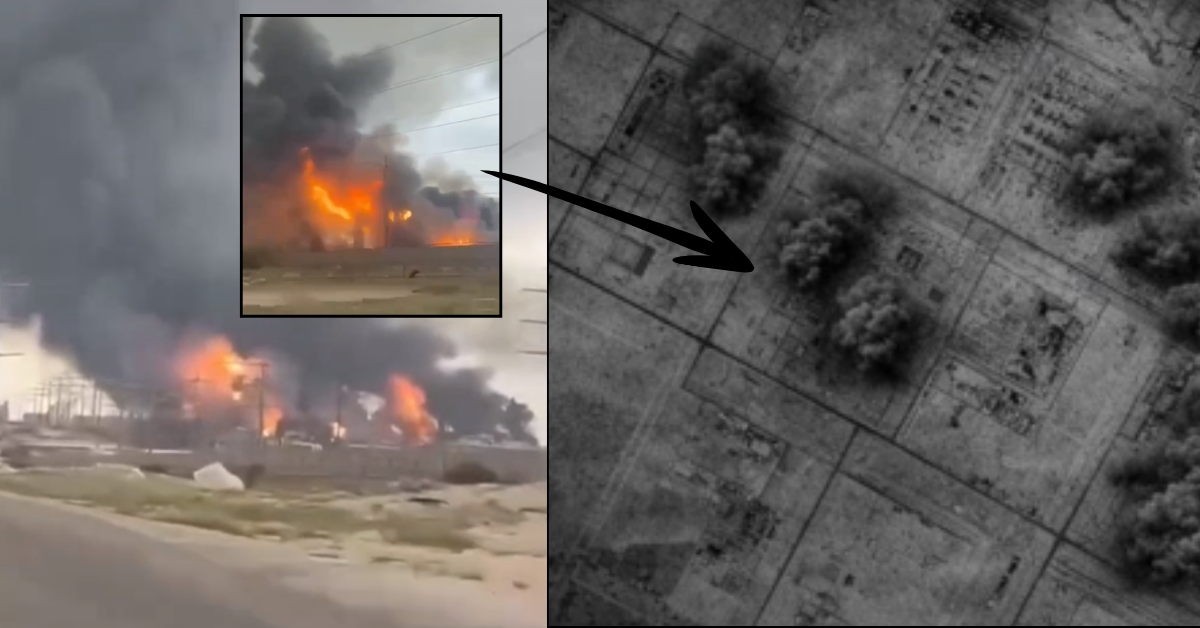
Energy markets are reeling after a dramatic escalation in the Middle East. On March 18, Israeli airstrikes hit South Pars, the world’s largest gas field jointly owned by Iran and Qatar. The attack triggered a massive fire at the site, which produces over 730 million cubic meters of gas daily, with Turkey among its key buyers.
In retaliation, Iran launched five ballistic missiles at Ras Laffan Industrial City, Qatar’s main LNG hub. QatarEnergy confirmed “extensive damage” and fires at the facility, which spans 4,500 hectares and hosts the world’s largest LNG export terminal. Ras Laffan is critical to global energy supply, processing and exporting liquefied natural gas to Europe and Asia.
The strikes have sent shockwaves through global markets. Brent crude surged past $113 per barrel, while European natural gas prices jumped more than 5%, reflecting fears of prolonged disruption. Analysts warn that if Ras Laffan’s damage proves severe, LNG flows could be curtailed for months, worsening Europe’s energy crisis and driving prices even higher.
The strikes have sent shockwaves through global markets. Brent crude surged past $113 per barrel, while European natural gas prices jumped more than 5%, reflecting fears of prolonged disruption. Analysts warn that if Ras Laffan’s damage proves severe, LNG flows could be curtailed for months, worsening Europe’s energy crisis and driving prices even higher.
The tit-for-tat attacks mark a dangerous escalation in the US-Israel-Iran conflict, directly targeting infrastructure at the heart of global energy supply. With Iran also threatening further strikes across the Gulf and tensions spreading to Lebanon and Saudi Arabia, traders are bracing for a sustained period of volatility.
Related Post:
Beirut collapse – Residential building blows up in Bashoura neighbourhood after Israeli attack
Share this content: