Article by Viory
Mass Protest Erupts
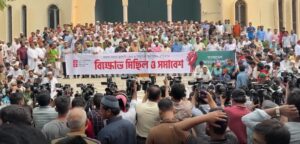
Thousands flooded the streets of Dhaka on Thursday to protest rising electricity and fuel prices, as many described the current cost of living in Bangladesh as ‘unbearable.’
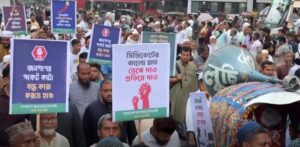
Footage shows large crowds riding motorcycles or marching through Bangladesh’s capital, carrying signs and a large banner reading, ‘in protest against repeated increases in fuel and electricity prices.’
Rising Costs Criticised
“The electricity and fuel crisis is a global crisis, but the rate at which prices have increased in our country is no longer bearable for the common working people,” said Rabiul Islam, a protester.
“When the world situation was turbulent due to the Iran-America war, the increase in fuel prices was reasonable for some. But the subsequent increases in fuel prices were completely unreasonable,” added Ashraful Alam, another demonstrator.
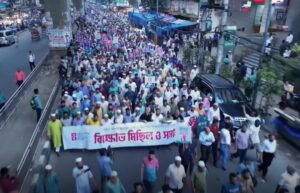
The rally was organised by the Bangladesh Jamaat-e-Islami party, which condemned the latest electricity tariff hike, arguing that the measure places additional financial pressure on households already struggling with rising living costs.
“This will affect the daily necessities of the people,” protester Abdul Quader said. “Even though the price of everything has increased, the income of the people has not increased. On the contrary, the income has decreased.”
Tariff Hike Announced
The Bangladesh Energy Regulatory Commission (BERC) announced a major electricity price hike on Wednesday, increasing wholesale tariffs by 19.85% and consumer retail tariffs by an average of 16.68%.
The measure was introduced to ease heavy fiscal strains on state finances amid global disruptions to global energy shipments through the Strait of Hormuz following the outbreak of the war in Iran.
Rates Partly Reversed
Following nationwide backlash, the Ministry of Power, Energy, and Mineral Resources (MPEMR)’s Power Division urgently petitioned BERC to protect vulnerable families. In response, the commission issued a revised directive on Thursday, rolling back the price hike and freezing rates for everyone using 75 units or fewer.
Critics argue that such measures risk increasing the burden on consumers, while the government has maintained that energy pricing reforms are necessary to address fiscal and market pressures.
Article by Viory
Related Post:
Thousands criticise government response to ‘Energy’ shortages at Bangladesh protest
Bangladesh Eid Train Rush Sees Thousands Risk Dangerous Rooftop Journeys Homeward Daily
Share this content: