Mobile homes, or manufactured homes, have emerged as a popular housing alternative, offering affordability and flexibility without sacrificing quality or comfort.
Once associated with temporary living, modern mobile homes are redefining the way people think about homeownership, blending innovative design, sustainable practices, and practicality.
The Evolution of Mobile Homes
Unlike traditional houses, mobile homes are built in controlled factory environments and then transported to their final location. Since 1976, mobile homes in the U.S. have adhered to strict HUD Code standards, ensuring structural integrity, energy efficiency, and safety.
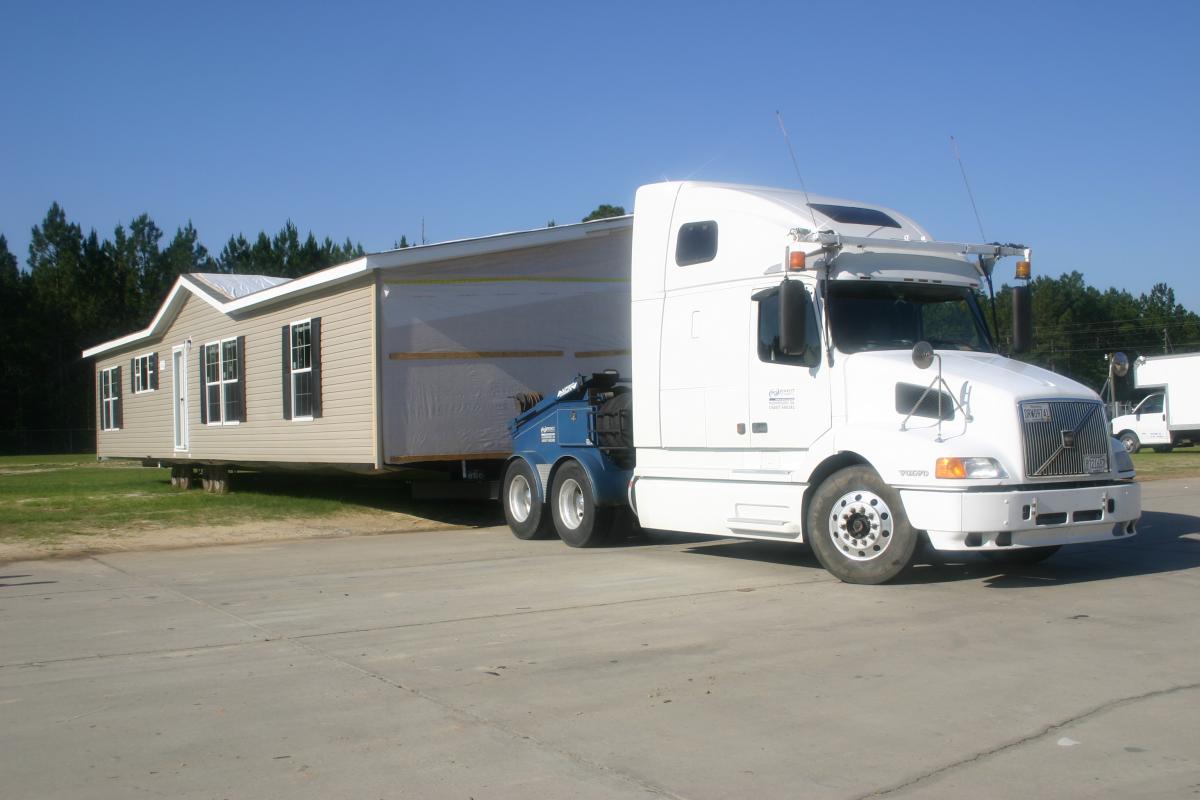
These standards have elevated mobile homes, making them comparable in quality to conventional housing.
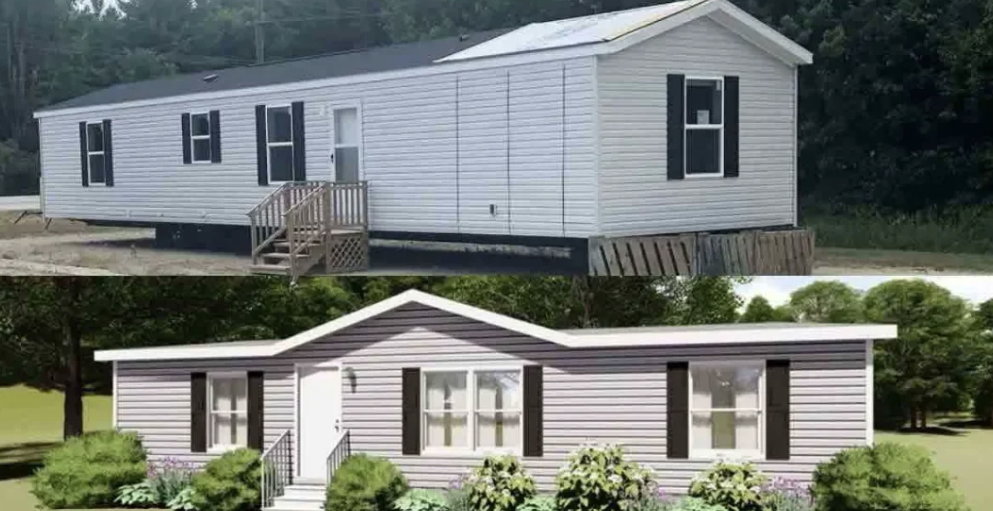
Today, mobile homes come in a variety of designs, including single-wide and double-wide models, with some even offering luxurious finishes and smart home features.
The Financial Appeal
One of the key attractions of mobile homes is their affordability. They cost significantly less than traditional houses, providing a pathway to homeownership for first-time buyers, retirees, and those on tight budgets.
However, buyers must also consider factors such as land rental fees or the cost of purchasing property where the home will be placed. These expenses can vary widely based on location but often remain more manageable compared to conventional real estate.
Sustainability and Eco-Friendly Design
Mobile homes are an increasingly eco-conscious choice. The manufacturing process minimizes construction waste, and many models incorporate sustainable materials and energy-efficient appliances.
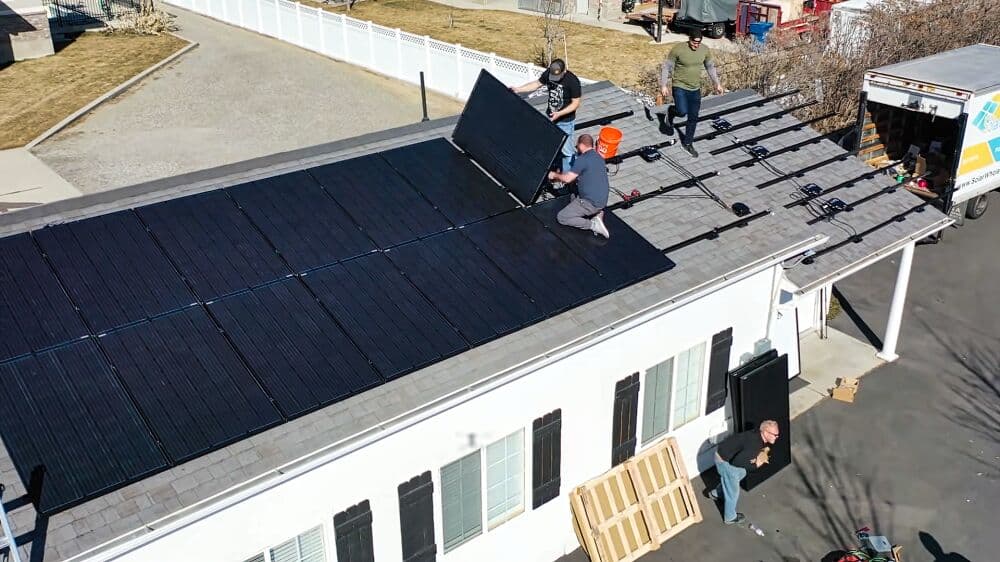
Features like solar panel compatibility and advanced insulation reflect a growing trend toward greener living, aligning with global environmental priorities.
Challenges in the Mobile Home Market
Despite their advantages, mobile homes face certain obstacles. Zoning laws in some areas restrict where these homes can be placed, which may limit options for buyers. Additionally, unlike traditional homes, mobile homes often depreciate in value, particularly if they are not installed on owned land.
Community rules and maintenance requirements in mobile home parks can also present challenges, especially for those unfamiliar with such environments.
Mobile Homes vs. Tiny Homes
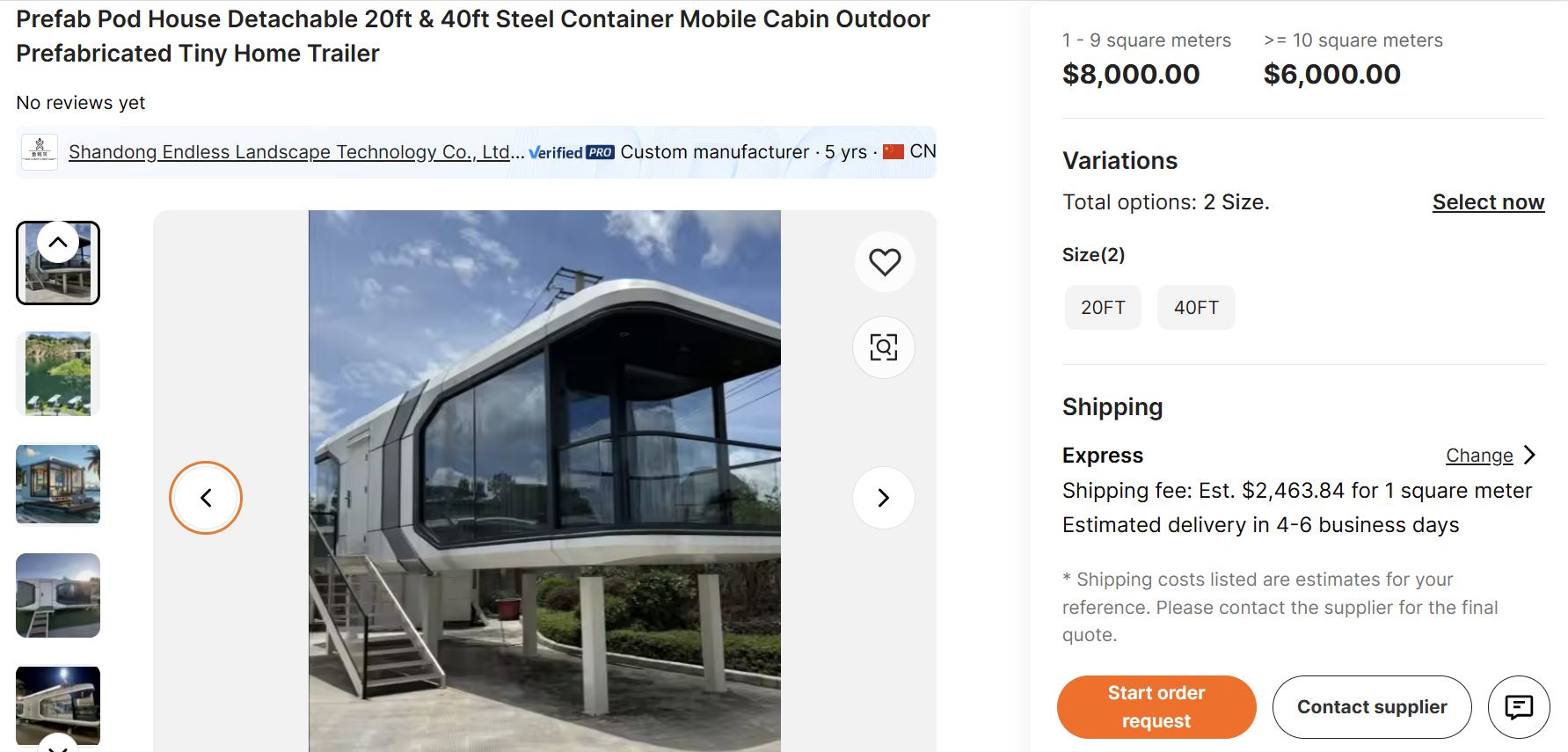
The rising popularity of tiny homes, such as the viral “Space Cabin Villa” seen on platforms like TikTok, has added a modern twist to the idea of alternative housing.
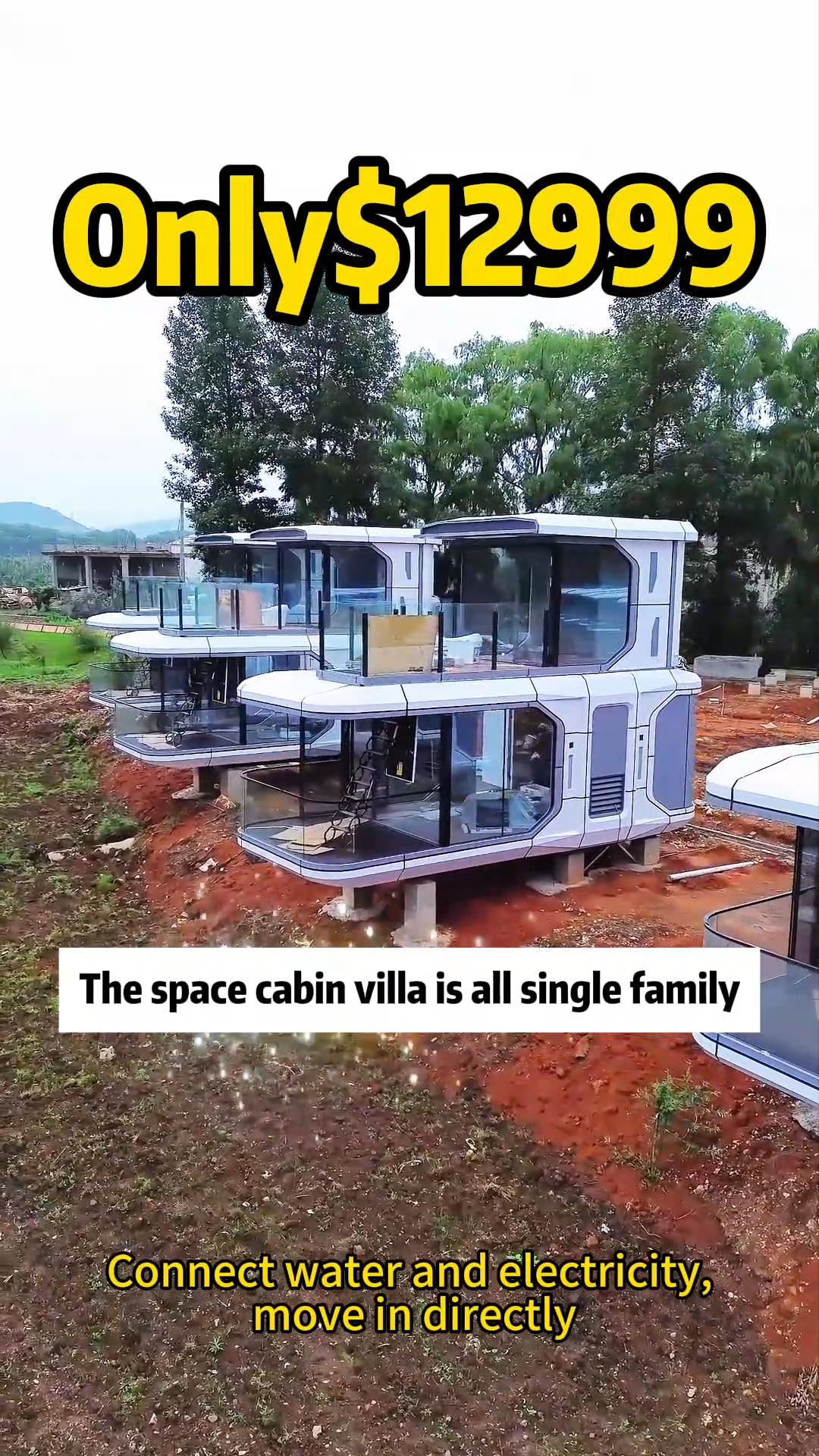
While tiny homes emphasize minimalistic, often off-grid living, mobile homes provide more spacious and permanent options, accommodating families and long-term residents. Both share an appeal rooted in affordability and flexibility, catering to different lifestyle preferences.
A Housing Solution for the Future
In an era where housing affordability and environmental sustainability are pressing concerns, mobile homes represent a viable alternative. By combining cost-effectiveness with innovative design and sustainability, they challenge traditional notions of homeownership.
As mobile homes continue to evolve, they underscore the idea that affordable housing can also be stylish, practical, and environmentally responsible.
Watch the video here:
https://www.tiktok.com/@fghjggjkk/video/7417780482584202539
More of The Other Side:
Japan’s “The Attackers”: How an Over-80 Football Team Redefines Aging and Staying Active
Singapore’s Most Expensive Mansion Up for Sale at US$236 Million
Keep up with #TheOtherSide on Telegram and TikTok.
@the.other.side77
Share this content: