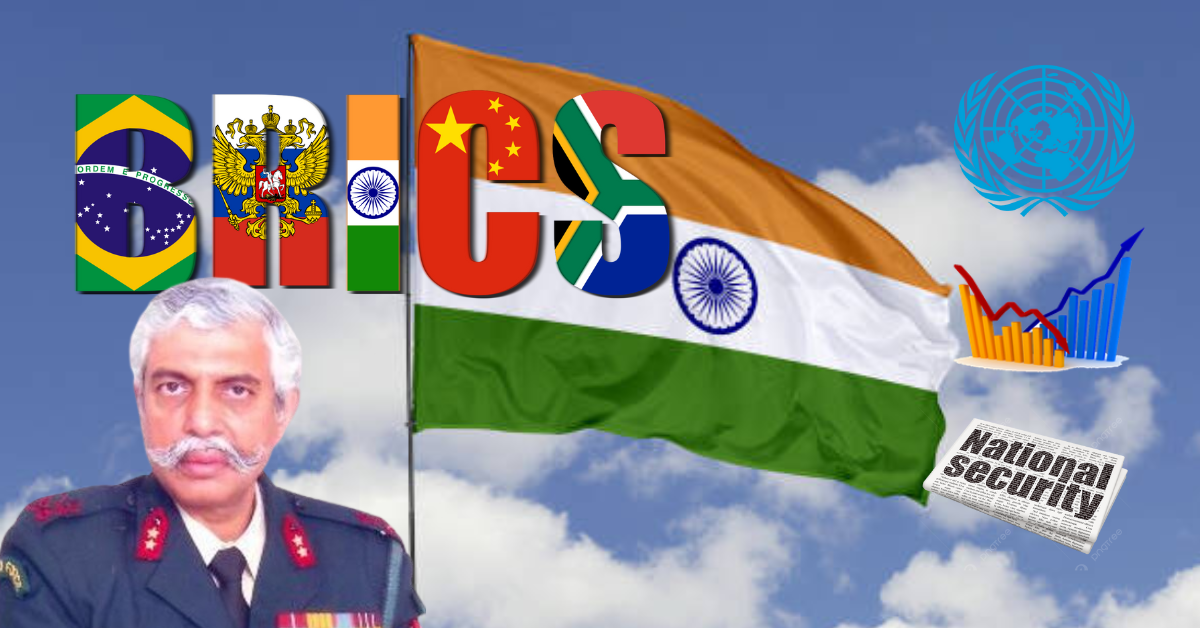
Retired Indian General GD Bakshi, a well known combat veteran for many skirmishes on the LOC and counter-terrorist operations in Jammu & Kashmir and Punjab, offers his insights on India’s role and strategy following the recent BRICS Summit in Kazan.

Insights on India’s Role Post-BRICS Summit
Bakshi frames the summit as a transformative moment for BRICS, seeing the alliance as a rising counterbalance to Western-dominated institutions like the G7. India, Bakshi argues, stands in a unique position within BRICS, being both a non-Western democracy and an emerging global power with strong ties to the West.
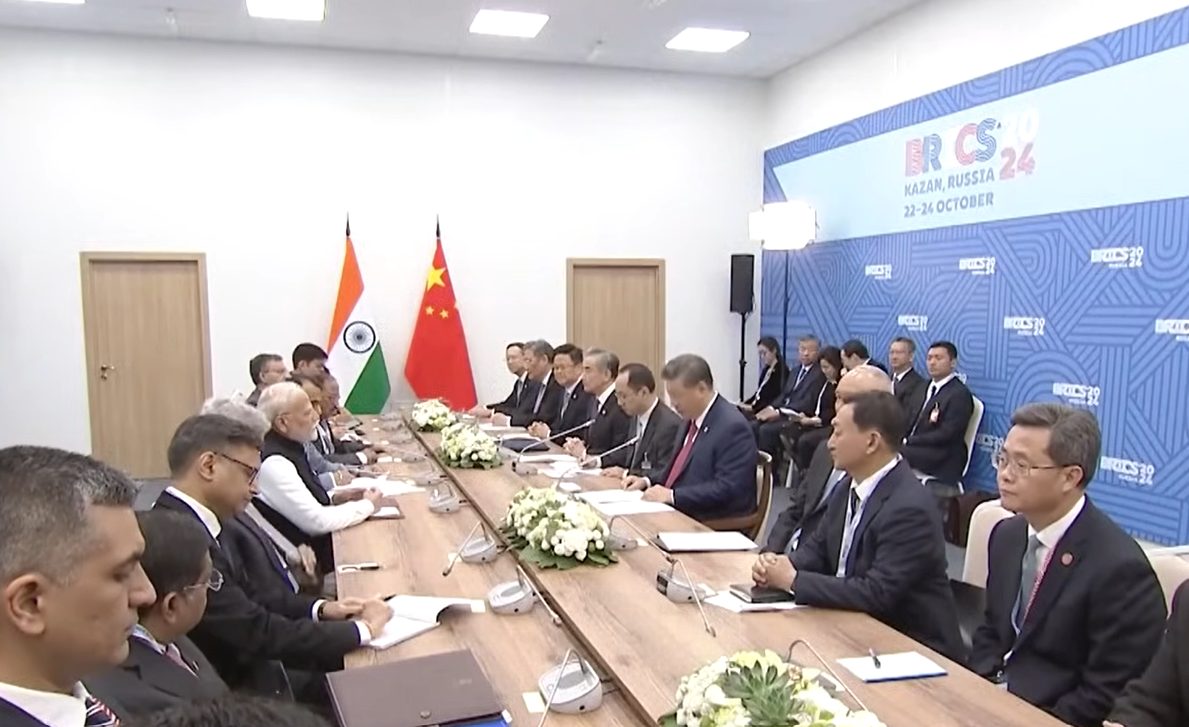
According to Bakshi, India’s participation in BRICS enables it to shape a multipolar world order while maintaining its autonomy on the global stage.
BRICS Financial Architecture: A Shift in Global Trade
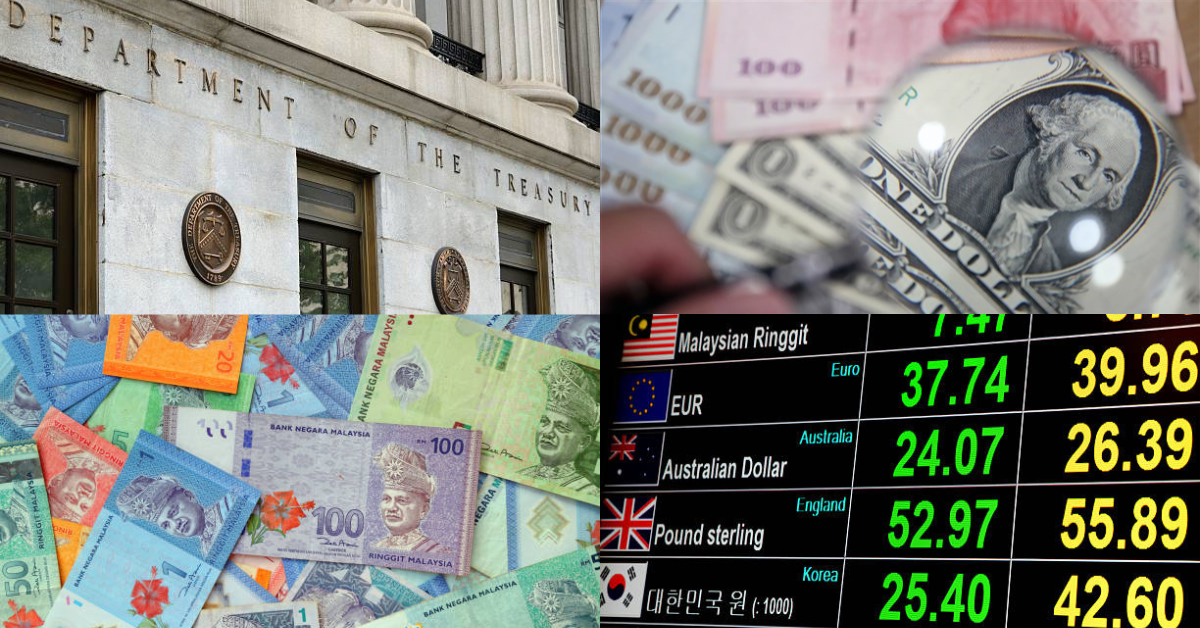
Bakshi highlights the new BRICS financial architecture discussed during the summit, which includes alternative financial structures such as the New Development Bank (NDB). The NDB, he explains, seeks to reduce reliance on the U.S. dollar in international trade, facilitating transactions in local currencies among BRICS countries.
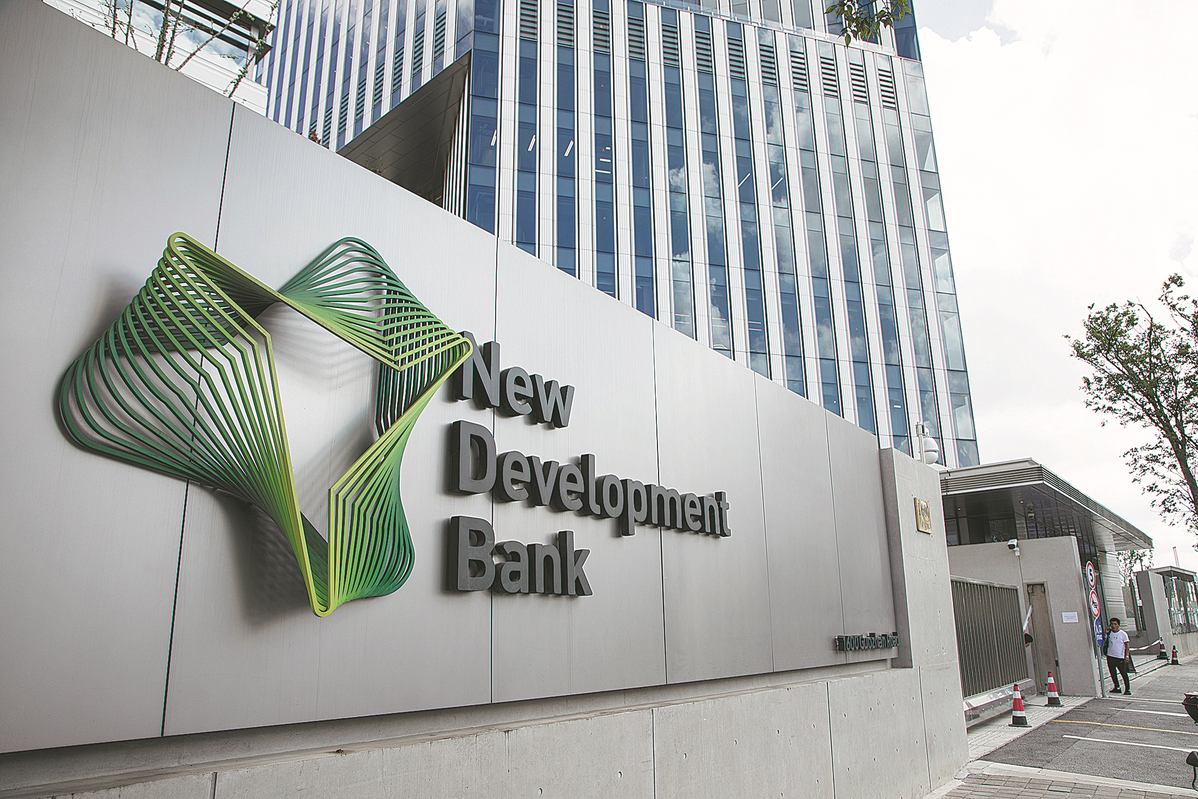
This shift, Bakshi argues, could bolster economic independence for BRICS members, including India, by providing an alternative to traditional Western financial systems like the IMF and World Bank. India, in his view, stands to benefit from this evolving architecture by fostering economic ties within BRICS, strengthening its trade relationships, and attracting new investment.
India’s Strategic Role in Global Reforms
Moreover, Bakshi believes that India could leverage its position within BRICS to advocate for reforms in global institutions, pushing for a greater voice for emerging economies.

He views BRICS as an essential platform for India to champion these reforms, particularly in the United Nations, where India seeks a permanent seat on the Security Council.
Balancing Alliances: Managing Security Dynamics
However, Bakshi also acknowledges the balancing act India faces. While strengthening its position in BRICS, India must also carefully manage its alliances in the Indo-Pacific region, where security dynamics are heavily influenced by China’s growing influence. He suggests that India’s best approach is a balanced strategy that maximizes its influence within BRICS while preserving its interests in the broader Indo-Pacific landscape.
Overall, GD Bakshi sees India’s involvement in BRICS as a strategic opportunity to expand its global influence and economic reach, positioning it as a key player in the evolving world order.
Watch the video here:
More of The Other Side:
China Launches Shenzhou-19 with First Female Spaceflight Engineer
Modern Mobile Homes: Redefining Affordable and Sustainable Living
Keep up with #TheOtherSide on Telegram and TikTok.
@the.other.side77
Share this content: