Malaysia’s extensive oil and gas activities in the South China Sea have long been a critical part of its economic backbone, contributing significantly to its GDP. However, these operations are increasingly under scrutiny due to overlapping territorial claims, particularly with China.
Recent developments, including a leaked diplomatic note from Beijing, have reignited debates over sovereignty and resource control in this geopolitically sensitive region.
The Leaked Note and Its Fallout
In February 2024, a classified diplomatic note from China’s Ministry of Foreign Affairs was sent to Malaysia’s embassy in Beijing. The note reportedly demanded that Malaysia cease its exploration activities near Sarawak, specifically in areas like the Luconia Shoals. While Malaysia considers this region part of its exclusive economic zone (EEZ), it also falls within China’s expansive ‘ten-dash line’ maritime claim.
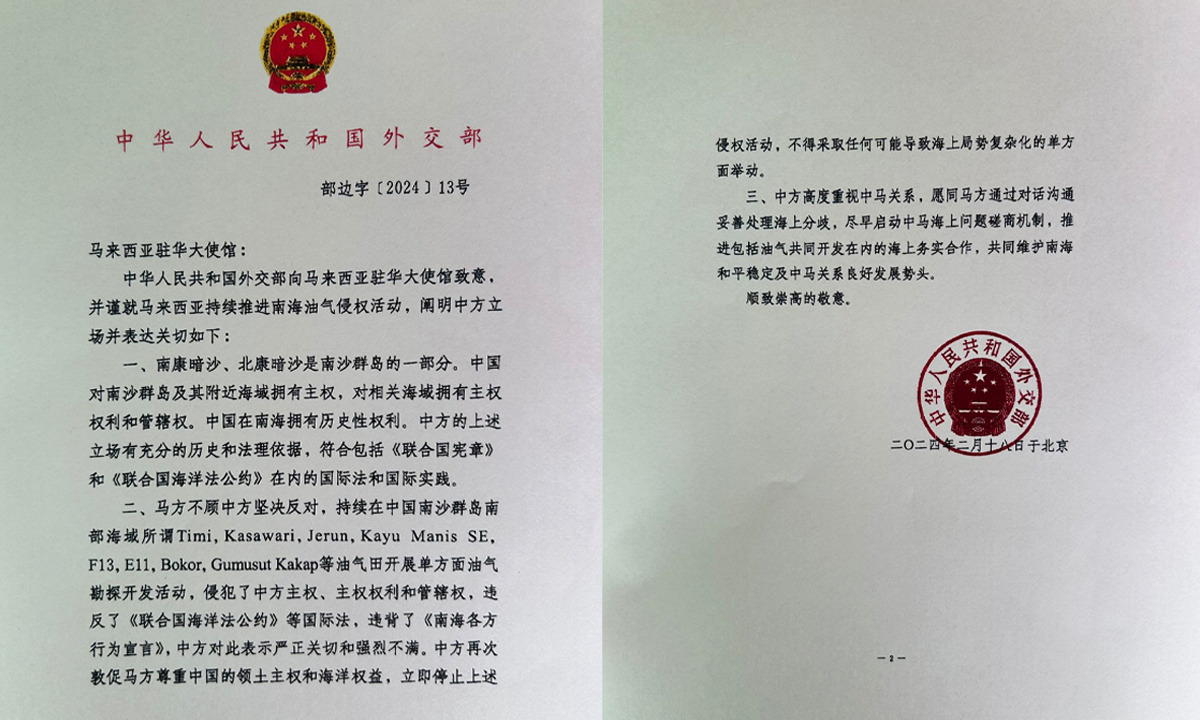
The note was leaked to media outlets in August 2024, prompting official investigations by Malaysia’s Ministry of Foreign Affairs. Malaysian Prime Minister Anwar Ibrahim responded by reaffirming the country’s sovereignty, stating that Malaysia would not halt exploration within its legally defined EEZ. Despite this assertive stance, Anwar emphasized the importance of maintaining friendly relations with China, Malaysia’s largest trading partner.
Historical Context of Malaysia’s Oil and Gas Exploration
Malaysia has been involved in oil and gas exploration in the South China Sea since the 1970s. The region is rich in hydrocarbon resources, and Malaysia’s state-owned oil giant, Petronas, has been instrumental in developing these reserves.

The country’s EEZ, defined under the United Nations Convention on the Law of the Sea (UNCLOS), gives Malaysia the right to exploit resources within 200 nautical miles of its coastline. However, China’s territorial claims under its ‘ten-dash line’ overlap with this EEZ, leading to repeated diplomatic and maritime standoffs.
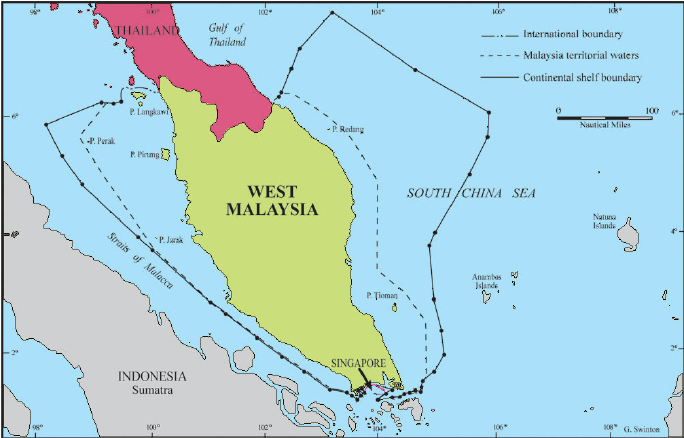
Offshore petroleum exploration in Malaysia began in the 1950s with marine seismic surveys off Sarawak. Drilling started in 1957 and grew rapidly after 1966. By the end of 1982, over 295,000 kilometers of seismic data had been collected, and more than 500 exploratory wells had been drilled, resulting in over 100 significant discoveries. The first offshore oil field, located off Sarawak, started production in 1968.
Current Expansion and Maritime Challenges
In recent years, Malaysia has continued to expand its oil and gas operations in contested waters. Petronas has been actively exploring and developing new fields, particularly in deepwater areas. This expansion is seen as crucial to meeting domestic energy demands and sustaining export revenues. However, these activities have often drawn Chinese maritime patrols, which Beijing justifies as asserting its territorial claims.

In 2021, Malaysian vessels faced harassment by Chinese ships while conducting surveys near the Kasawari gas field, a RM4.5 billion project. Such encounters underscore the risks faced by Malaysia as it seeks to secure its energy future while navigating complex geopolitical waters.
Malaysia-China Relations: A Delicate Balance
Malaysia’s approach to China has been markedly more measured compared to neighboring countries like the Philippines, which have openly condemned Chinese incursions. Analysts attribute this to Malaysia’s economic reliance on China, which has been its largest trading partner since 2009. China accounted for $190.24 billion in trade with Malaysia in 2023, cementing its role as a pivotal economic ally.

‘We have never intended in any way to be intentionally provocative, unnecessarily hostile. China is a great friend, but of course we have to operate in our waters and secure economic advantage, including drilling for oil in our territory,’ Malaysian Prime Minister Datuk Seri Anwar Ibrahim stated on the matter in a televised conference from Russia.

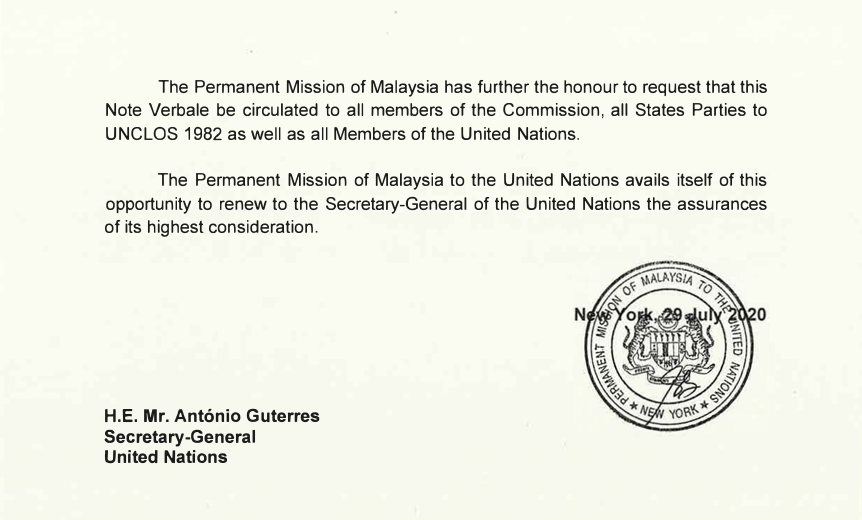
Despite its cautious diplomacy, Malaysia has not shied away from asserting its rights. In 2019, it submitted a note verbale to the United Nations challenging China’s territorial claims, aligning itself with UNCLOS principles.
The Geopolitical Implications
The leaked note and Malaysia’s firm stance highlight broader regional tensions in the South China Sea, a vital trade corridor through which $7.4 trillion worth of goods pass annually. Other claimants, including Vietnam, the Philippines, and Brunei, have similarly grappled with Chinese assertiveness.

The situation also exposes gaps in regional security mechanisms. ASEAN’s long-delayed Code of Conduct for the South China Sea remains under negotiation, reflecting the difficulty of uniting member states with varying degrees of dependence on China.
Looking Ahead
Malaysia’s continued oil and gas exploration, despite Chinese opposition, signals its commitment to safeguarding its economic interests and sovereignty. However, the country must carefully navigate its dual objectives of asserting territorial rights and maintaining a stable relationship with Beijing.
The South China Sea dispute remains one of the most volatile geopolitical flashpoints in Asia. Malaysia’s actions, alongside those of other regional players, will undoubtedly shape the future dynamics of this contested region, influencing not only resource control but also the balance of power in the Indo-Pacific.
Watch a video here:
@theborneopost Malaysia does not recognise China’s claims in the South China Sea, as outlined in the “China Standard Map Edition 2023,” which also encompasses Malaysia’s maritime areas, stated the Ministry of Foreign Affairs. #theborneopost #borneo #sarawak #malaysia #china #southchinasea #southchinaseadispute
More of The Other Side:
Malaysia’s Economic Surge: U.S. Removes Country from Currency Monitoring List in 2024
Modern Mobile Homes: Redefining Affordable and Sustainable Living
Keep up with #TheOtherSide on Telegram and TikTok.
@the.other.side77
Share this content: