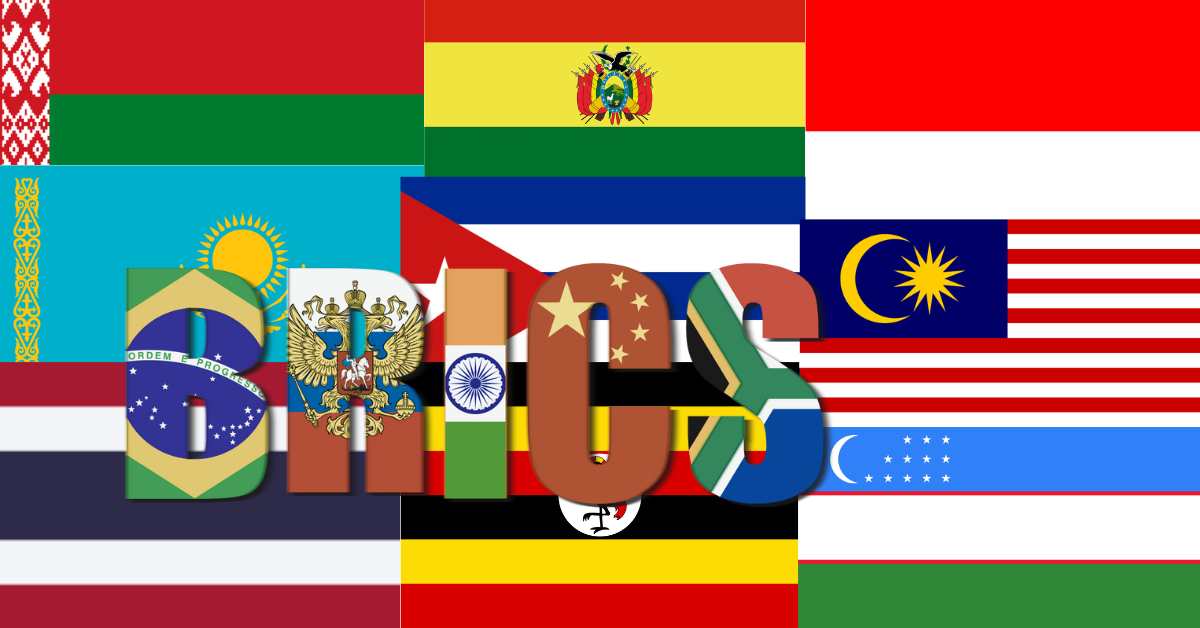
BRICS, the influential coalition of Brazil, Russia, India, China, and South Africa, will welcome nine new countries starting January 1, 2025.
This historic expansion reflects the coalition’s growing global influence, with Belarus, Bolivia, Indonesia, Kazakhstan, Cuba, Malaysia, Thailand, Uganda, and Uzbekistan joining forces to enhance BRICS’ geopolitical and economic reach.
Cuba’s Inclusion: A Symbolic Rejection of U.S. Sanctions
Cuba’s entry into BRICS stands as a defiant gesture against decades of U.S. sanctions that have stifled its economic development. The island nation, often seen as a victim of Cold War-era policies, has faced one of the most prolonged embargoes in history.
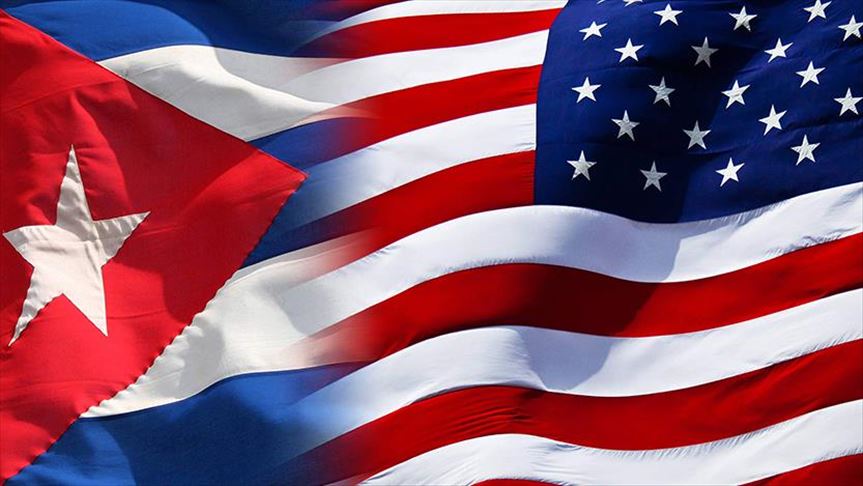
Despite the global call for its removal, the sanctions persist, leaving Cuba to seek alternative partnerships. By joining BRICS, Cuba not only gains access to economic opportunities but also aligns itself with a bloc that opposes Western hegemony.
The Legacy of U.S. Sanctions on Cuba
The sanctions imposed by the U.S. since the early 1960s have shaped Cuba’s trajectory, isolating it from global trade networks and financial systems. While intended to promote democracy, the embargo has drawn widespread criticism for exacerbating poverty and denying Cubans access to essential goods.
This economic blockade has pushed Cuba to strengthen ties with nations that reject U.S.-led policies, making BRICS a natural partner in its pursuit of economic sovereignty.
Uzbekistan and Kazakhstan’s Strategic Move into BRICS
Uzbekistan and Kazakhstan, two pivotal nations in Central Asia, are joining BRICS at a time of significant global realignment. For these resource-rich countries, membership offers a platform to diversify their economic partners and enhance their roles in shaping international trade.
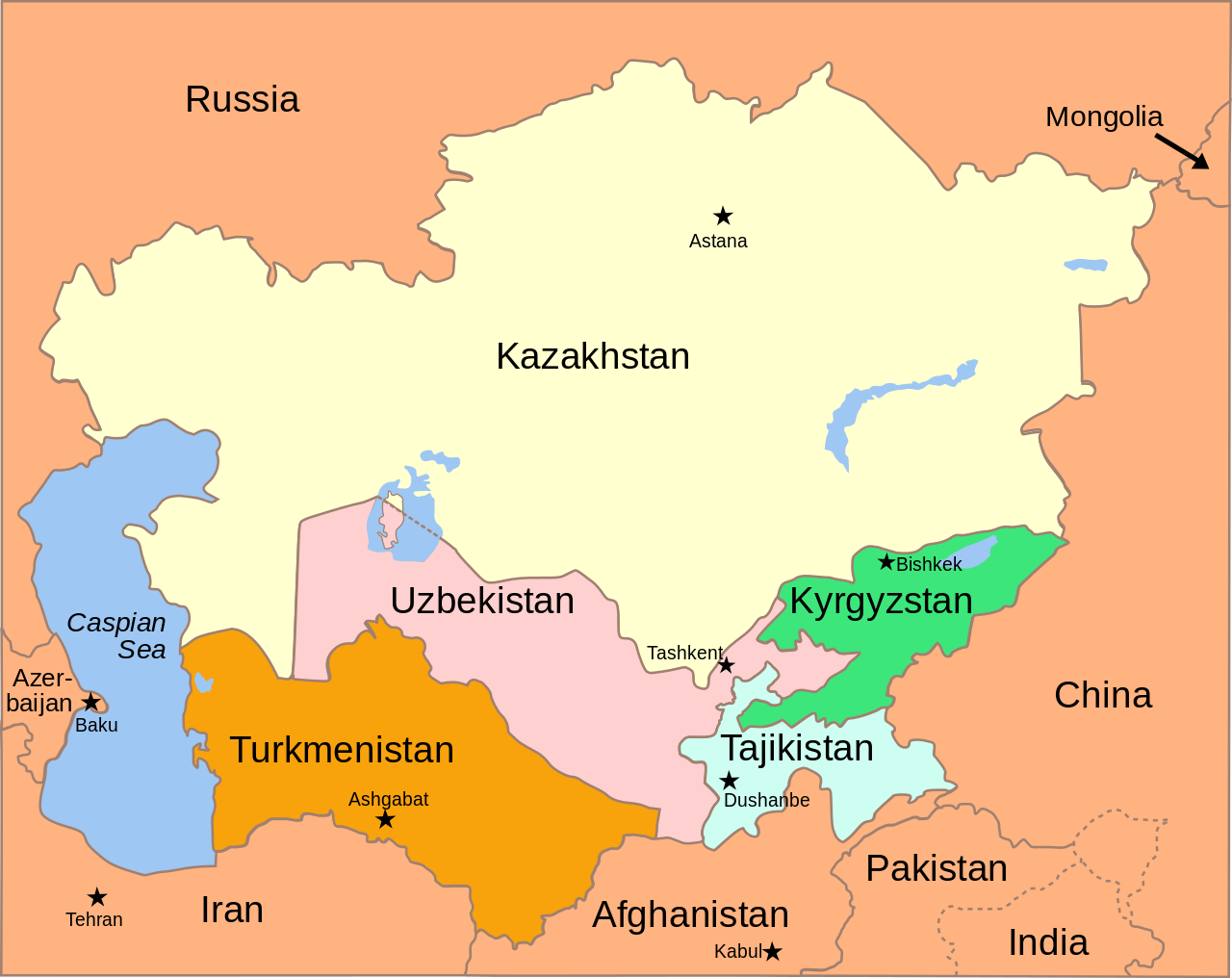
Kazakhstan, with its vast energy reserves, and Uzbekistan, an emerging economic hub, seek to use BRICS as a counterweight to Western-dominated systems like the IMF and World Bank.
The Role of BRICS in Central Asia’s Geopolitical Balancing
Central Asia’s unique position between global powers like China, Russia, and the U.S. makes Uzbekistan and Kazakhstan’s entry into BRICS a calculated step. By aligning with this expanded coalition, they can hedge their bets, maintaining balance while securing new pathways for trade and investment.
Their membership signals a broader trend of smaller nations leveraging BRICS to amplify their influence in a multipolar world.
Expanded Reach for BRICS
Each of the new members brings unique strengths. Belarus’ close ties with Russia will deepen the coalition’s strategic alliances, while Bolivia’s increasing energy and military cooperation with Russia strengthens its position in Latin America. Malaysia and Thailand contribute with strong trade and defense ties, further enhancing BRICS’ economic and diplomatic networks.
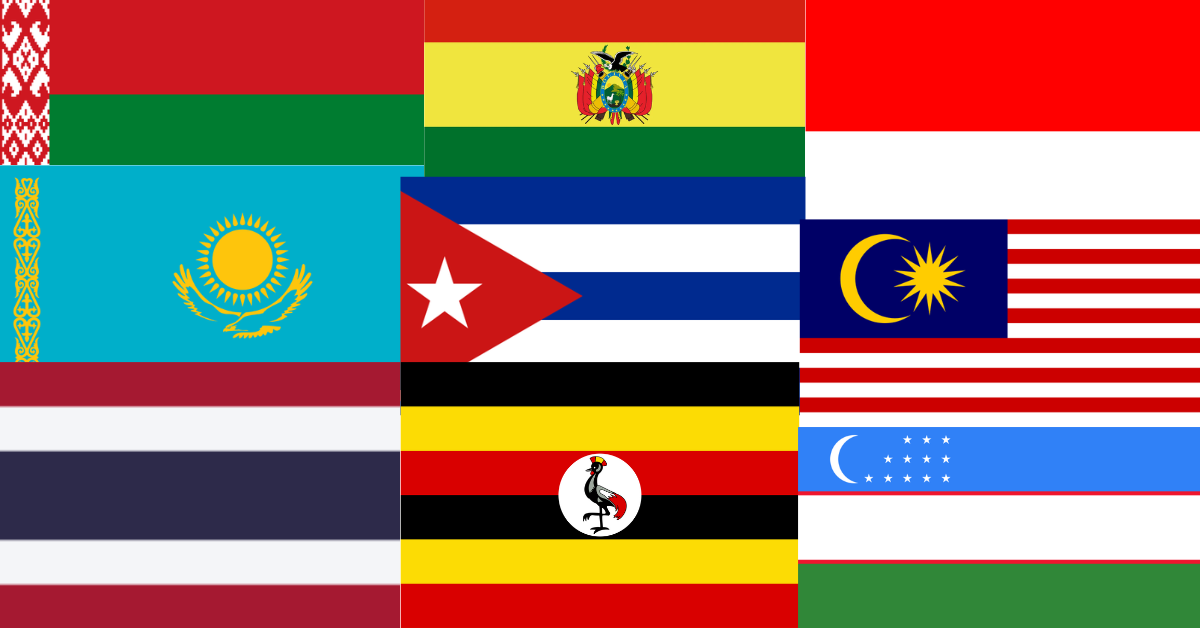
Countries like Indonesia and Kazakhstan bolster BRICS’ presence in Southeast Asia and Central Asia, providing significant trade and political influence. Meanwhile, Cuba, Uganda, and Uzbekistan’s entry adds critical diversity in terms of development, regional partnerships, and resource sharing.
A Step Towards Greater Global Influence
BRICS’ expansion is a pivotal move towards reshaping global governance. The addition of these nine countries amplifies the coalition’s economic clout and offers new pathways for collaboration.
As the world witnesses shifting power dynamics, BRICS stands as a formidable bloc that reflects the changing nature of global alliances.
Watch the video here:
@vanakkammalaysia Malaysia and eight other nations to become BRICS partners starting Jan 1 latest vanakkammalaysia Malaysia eightothernations become BRICS partners startingJan1 trendingnewsmalaysia malaysiatamilnews fyp vmnews foryoupage
More of The Other Side:
Malaysia’s Path to Becoming Southeast Asia’s Semiconductor Hub
Keep up with #TheOtherSide on Telegram and TikTok.
@the.other.side77
Share this content: