Earth is rotating faster than usual, and scientists have pinpointed three dates—July 9, July 22, and August 5—as the shortest days in history. On July 9, Earth’s spin shaved off 1.3 milliseconds from the standard 24-hour day.

Even faster rotations are expected on July 22 (1.38 milliseconds shorter) and August 5 (1.51 milliseconds shorter).
Why Earth Is Spinning Faster
A full Earth rotation typically takes 86,400 seconds. But since 2020, atomic clocks have recorded anomalies.

Experts attribute the acceleration to a combination of factors, including melting glaciers shifting the planet’s mass, changes in atmospheric wind patterns, motion in Earth’s molten core, and fluctuations in the moon’s gravitational pull.
Moon’s Role in Rotation Speeds
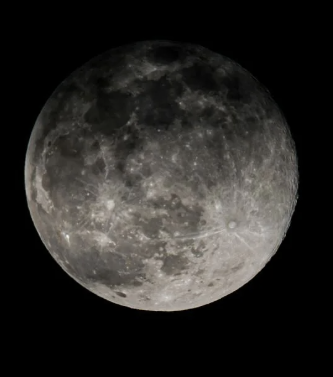
Tidal braking from the moon usually slows Earth’s rotation. However, when the moon is at its farthest point, its pull weakens—allowing the planet to spin faster. This lunar distance coincides with the projected record spins on July 22 and August 5.
Our global clocks operate on Coordinated Universal Time (UTC), occasionally adjusted with leap seconds to match Earth’s slowing spin. But with this recent speeding trend, scientists warn that we may soon face the need for the first-ever negative leap second—possibly by 2029.
Planet’s Long-Term Time Evolution
Historically, Earth’s days have been getting longer. Hundreds of millions of years ago, days lasted just 23 hours. Eventually, they may extend to 25 hours as the moon continues to drift away. For now, though, we’re witnessing a rare phase of acceleration.
Key Dates to Watch
-
July 9: 1.3 milliseconds shorter
-
July 22: 1.38 milliseconds shorter (projected)
-
August 5: 1.51 milliseconds shorter (projected)
Even slight changes like these can affect GPS, communication networks, and high-speed financial systems—highlighting just how sensitive modern life is to Earth’s natural rhythms.
Watch videos here:
@dailymail Scientists have warned that today, July 9, 2025, could be the shortest day of your life as Earth’s accelerating rotation is expected to move quicker than ever before. They found that three days this summer, July 9, July 22, and August 5, are expected to be between 1.3 and 1.51 milliseconds shorter than the standard day. Tap the link for the full story on DailyMail.com. Link in bio. *cam* Alamy Stock Photo / AP / AI-generated photo #news #science #earth #astronomy #space
♬ Interstellar On Piano – Melodia Simples & Jhonatan Rodrigues & Piano Sky & Revelations
More of The Other Side:
Thailand Rolls Out Passenger Compensation Rules for Flight Delays and Cancellations
“Education Without Borders”: Jiangsu University Offers Fully Funded Scholarships for 2025
China Uncovers Major Thorium Reserves, Boosting Green Nuclear Ambitions
Keep up with #TheOtherSide on Telegram and TikTok.
@the.other.side77
Share this content: