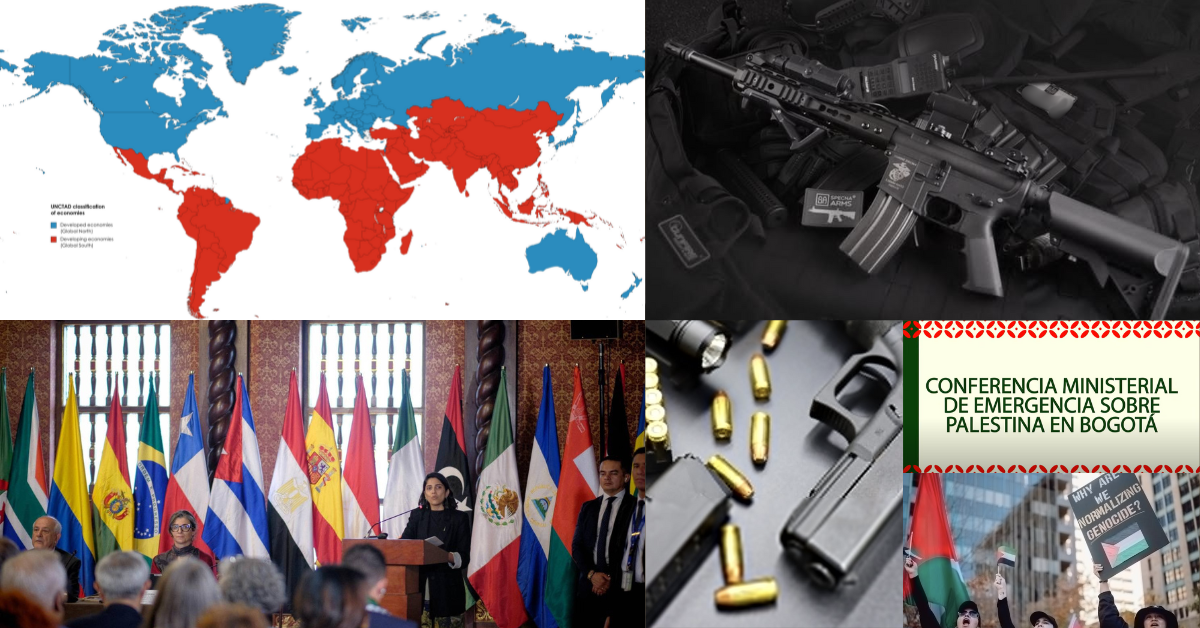
A historic coalition of Global South nations has launched a collective arms embargo against Israel in response to its military campaign in Gaza, marking the first coordinated sanctions of their kind. The announcement came on July 16 during an emergency summit in Bogotá, Colombia, co-hosted by Colombia and South Africa and organised by The Hague Group.
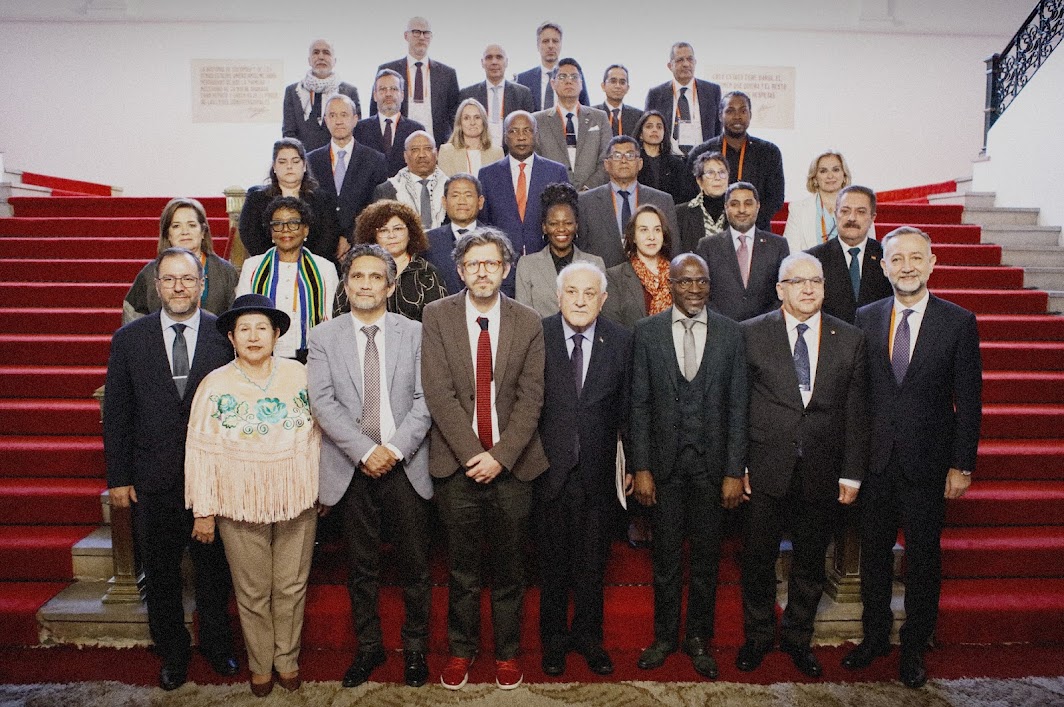
Twelve countries—Bolivia, Colombia, Cuba, Indonesia, Iraq, Libya, Malaysia, Namibia, Nicaragua, Oman, Saint Vincent and the Grenadines, and South Africa—signed a six-point agreement that includes halting arms exports, reviewing military-linked contracts, and pursuing international legal action against Israel. The summit drew delegations from 30 nations, with more expected to join in the coming months.
Sanctions Target Military Supply Chains
Under the agreement, signatories committed to:
-
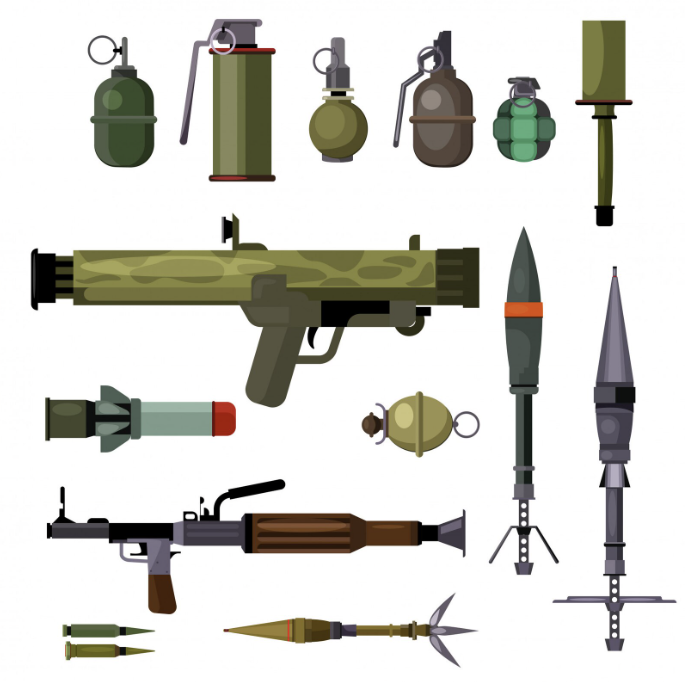
Cease all exports of weapons, ammunition, fuel, and dual-use technologies to Israel
-
Deny access to their ports and ships for transporting such materials
-
Audit and suspend government contracts connected to Israeli arms production
-
Support independent war crimes investigations
-
Invoke universal jurisdiction to prosecute crimes in Palestinian territories
Colombian President Gustavo Petro called the move a defining moment: “We came to Bogotá to make history — and we did.” South Africa’s Secretary of State Ronald Lamola described the decision as a clear message that “no nation is above the law.”
Rising Death Toll Sparks Moral Outcry
The action follows a surge of international pressure amid a rising civilian death toll in Gaza, now reported to exceed 58,000 since October 2023. Most of the victims are women and children, according to humanitarian groups. The summit’s final statement condemned what it described as an “era of impunity” and insisted that international law must apply equally to all states.
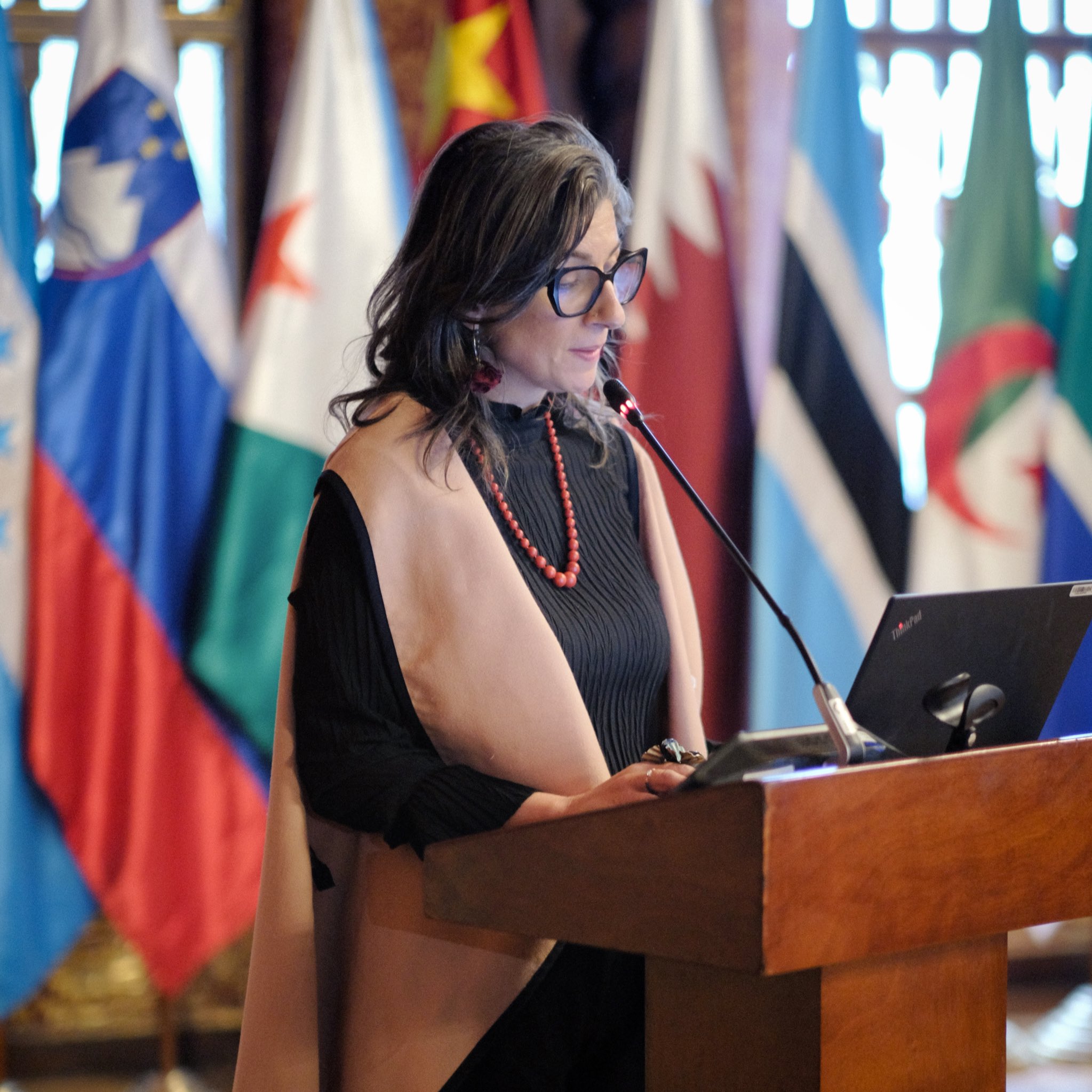
UN Special Rapporteur Francesca Albanese, currently sanctioned by the U.S. for her criticism of Israeli policies, addressed the summit with a stark warning: “Gaza has become hell on earth.” She urged governments to resist distraction tactics and instead show moral courage.
Palestine’s UN ambassador Riyad Mansour appealed for urgent, meaningful intervention: “This is not about symbolism. It’s about saving lives and protecting a generation.”
More Nations Could Join by September
While only 12 states committed to immediate sanctions, the organisers extended an invitation to others to join by September 20, during the 80th UN General Assembly in New York. Discussions with additional countries are already in progress.
Varsha Gandikota-Nellutla, Executive Secretary of The Hague Group, said the embargo represents more than diplomacy: “This isn’t about pleading. It’s about governments taking responsibility.”
A Shift in Global Power Dynamics
The Bogotá summit marks the most forceful collective response from developing nations to Israel’s military actions in Gaza. Although the economic clout of the coalition may not rival that of Western powers, advocates say the embargo sets a powerful moral precedent.
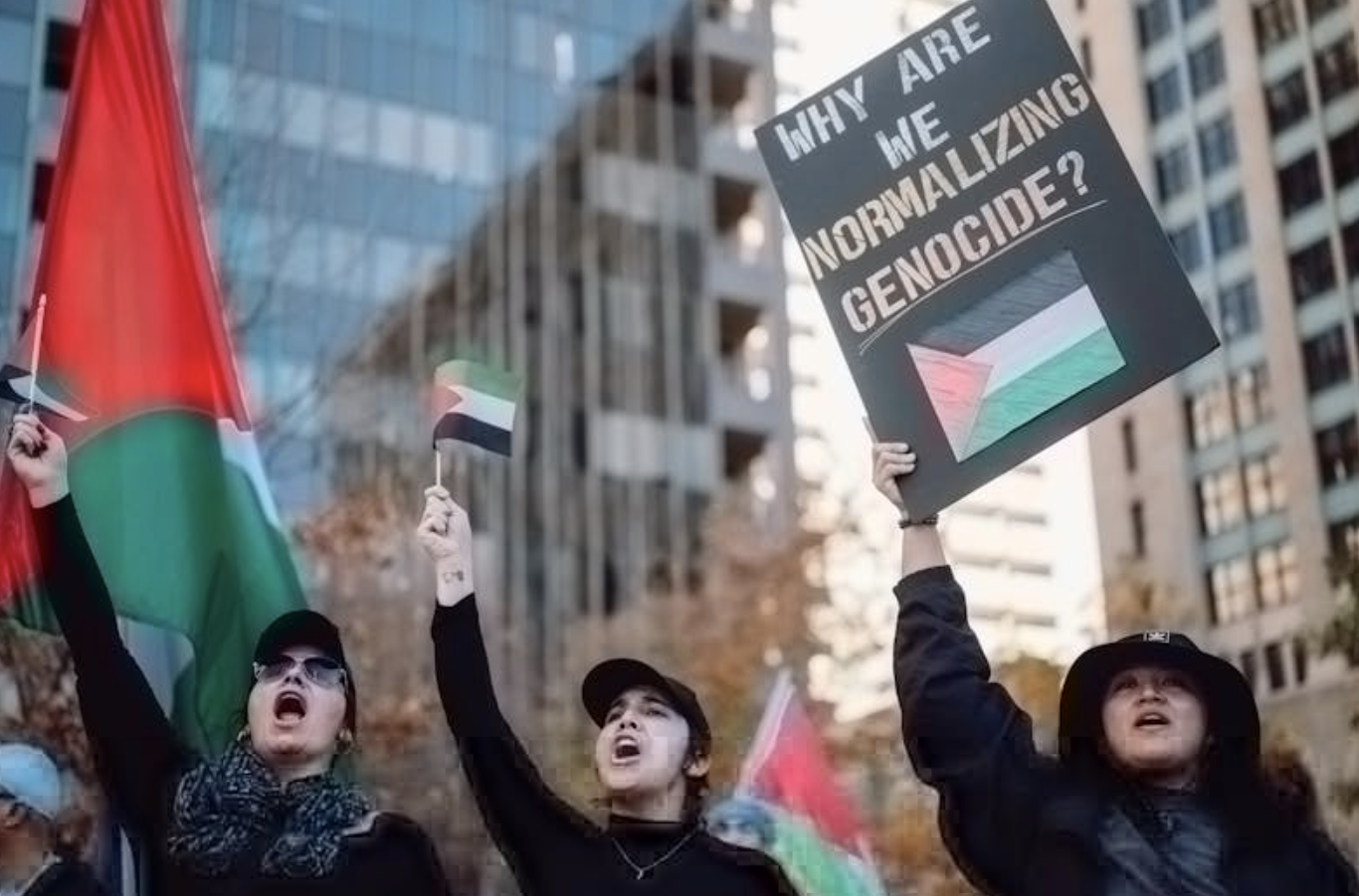
The move also underscores a widening global divide — between Western governments that remain largely inactive and Global South nations that are now stepping forward with concrete measures.
As Palestinian casualties continue to mount and international frustration grows, the Global South’s initiative could lay the groundwork for broader legal and political consequences in the months ahead.
Mansour concluded: “Recognising Palestine is no longer a gesture — it is an act of resistance against colonial violence and a defense of humanity.”
More of The Other Side:
Daughter of Ex-Malaysian AG Injured During Sydney Pro-Palestine Rally
Global March to Gaza: Initiative Blocked as Egypt Detains and Deports Peace Activists
Spain Halts Arms Trade With Israel, PM Sanchez Labels Israel a ‘Genocidal State’
Keep up with #TheOtherSide on Telegram and TikTok.
@the.other.side77
Share this content: