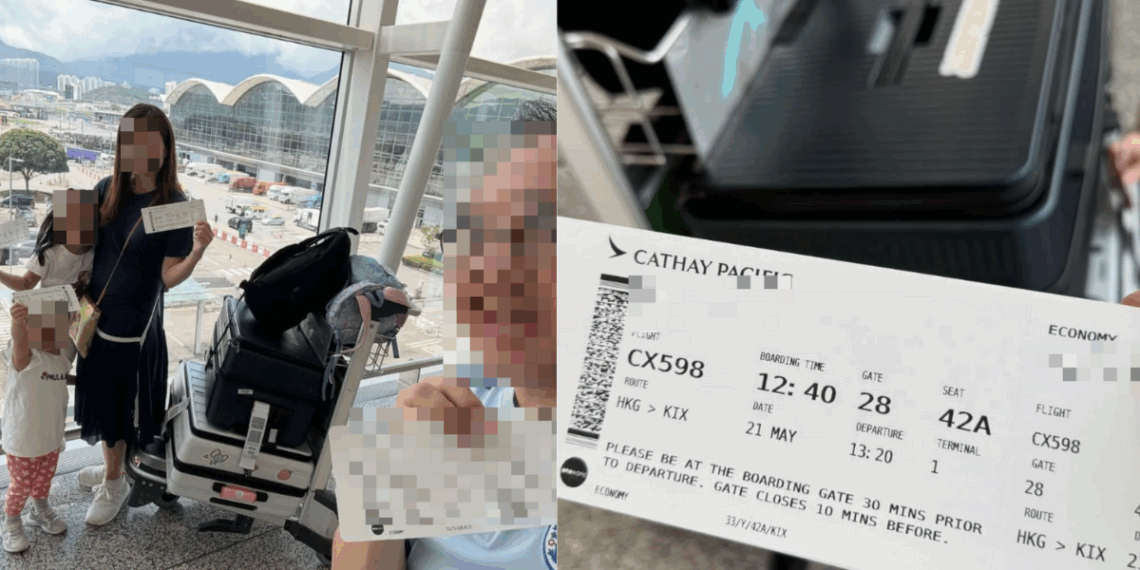
A Hong Kong family’s dream holiday to Japan took an unexpected and frustrating turn after a father shared a seemingly harmless photo of their boarding passes on social media.
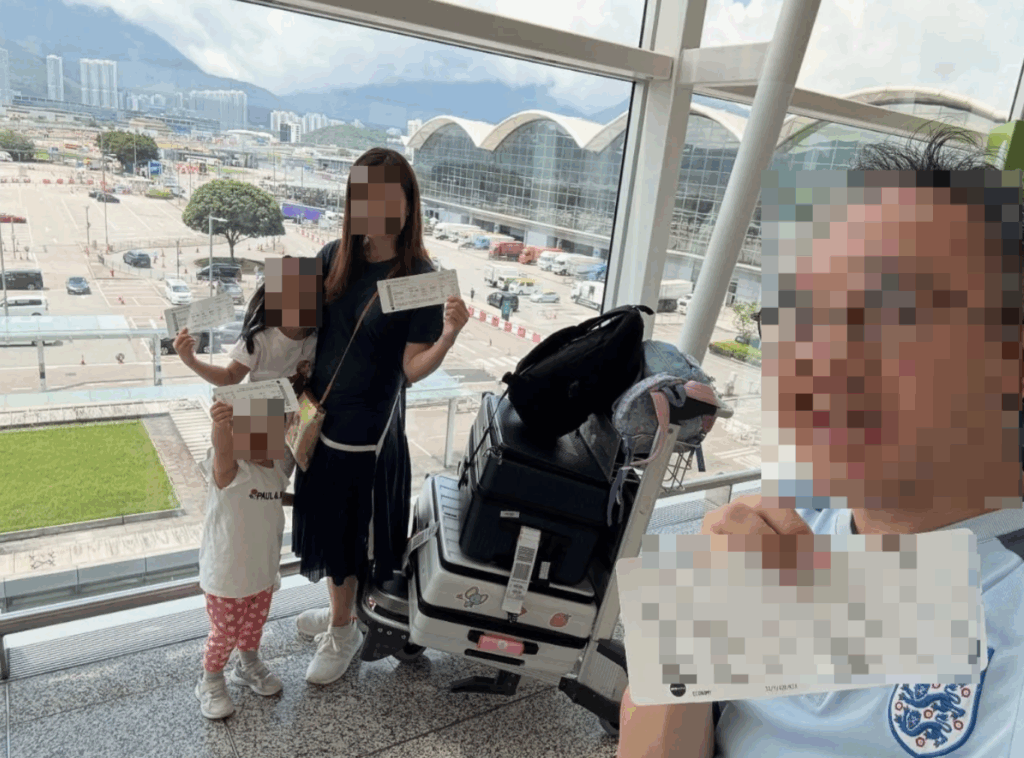
The post, uploaded on 6 May, displayed key personal and flight information — including names, seat numbers, and barcodes — which were later used to tamper with the family’s return travel arrangements.
Online Sharing Backfires
The shared images, meant to capture the excitement of travel, quickly backfired. Unidentified individuals reportedly accessed the booking system using the visible information and changed the couple’s return flight preferences.
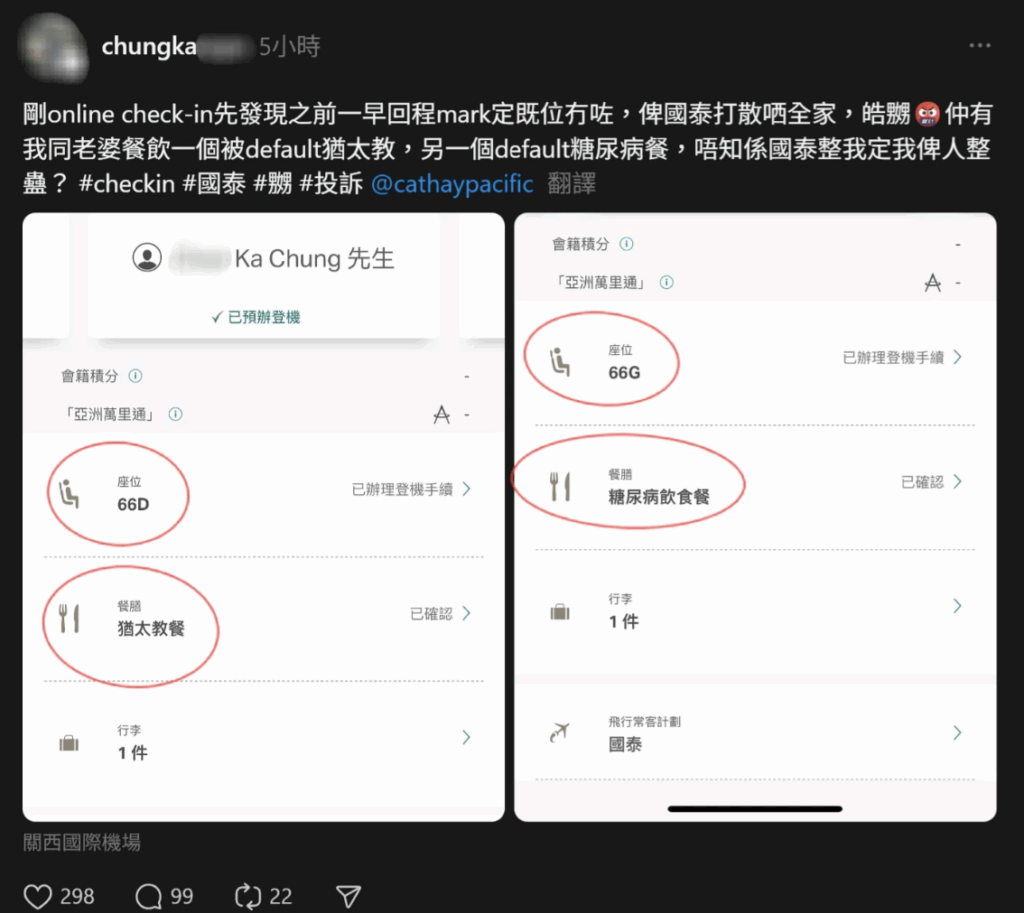 Seats were reassigned, splitting the parents from their children, and meal options were altered to specific dietary requests, such as kosher and diabetic meals — none of which had been selected.
Confusion Turns to Realisation
Initially, the father directed his frustration at the airline, Cathay Pacific, posting a complaint online about the unexpected seat and meal changes. However, it was social media users who alerted him to the real cause: the publicly visible information on his own post.
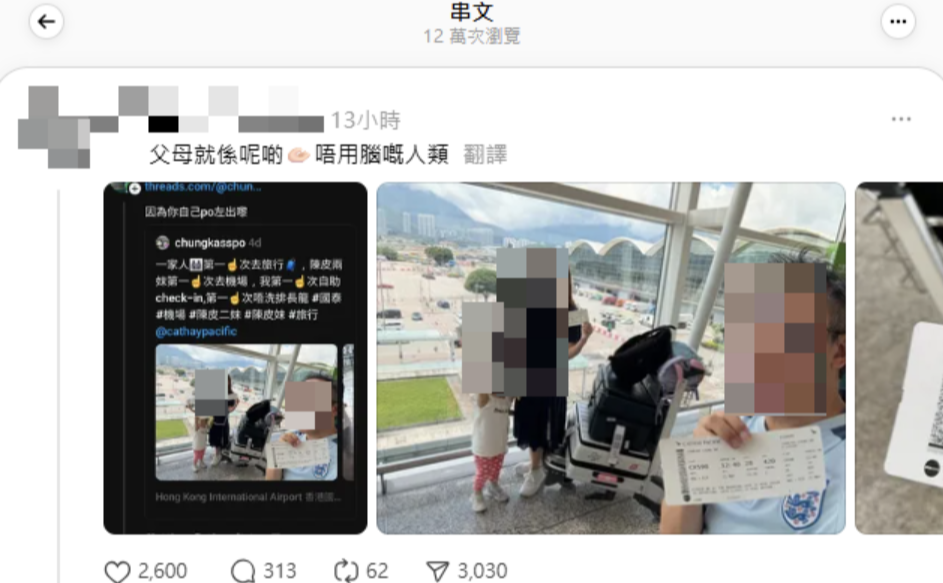
Realising the oversight, he promptly removed his complaint — but by then, screenshots had already spread across multiple platforms.
Divided Reactions Online
The incident quickly gained traction, sparking heated discussion.

Some expressed sympathy, blaming the unknown saboteurs for a cruel joke. Others argued the traveller had been careless with his personal information and highlighted the risks of oversharing in the digital age.
Hidden Dangers in Boarding Passes
Experts warn that boarding passes contain much more than just a name and flight number. With visible details like booking references and barcodes, malicious actors can access and modify reservations, change seating arrangements, update meal choices, and potentially even access frequent flyer accounts or contact details.
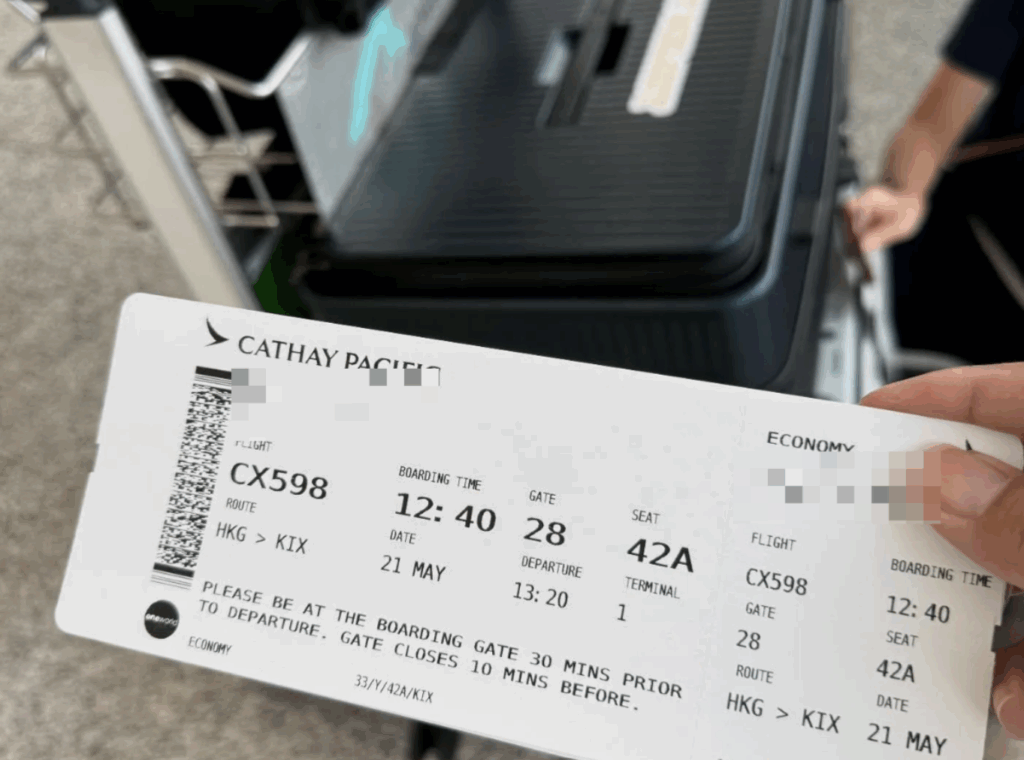
In more severe cases, tech-savvy individuals could cross-reference information to uncover a traveller’s broader digital footprint.
A Cautionary Tale for Modern Travellers
As travel and social media continue to intersect, this case serves as a cautionary reminder: even an innocent post can have unintended consequences. Cybersecurity professionals urge travellers to avoid posting boarding passes online altogether, noting that even blurred images may not fully protect against data theft.
Protecting personal information is now a vital part of travel safety. What starts as a joyful vacation update can quickly become a lesson in digital responsibility.
Watch a video here:
@thepoortraveler Here’s why you should refrain from posting your boarding pass online, lalo na if hindi pa flown lahat ng legs ng trip. 😊 #TravelPH #learnontiktok #TikTokTravel #summer
More of The Other Side:
Thai King and Queen Personally Fly Plane to Bhutan During State Visit
China Successfully Tests CH-YH1000 Cargo Drone in Northwest Region
Norwegian Man Wakes to Find Cargo Ship Just Metres From His Home
Keep up with #TheOtherSide on Telegram and TikTok.
@the.other.side77
Share this content: