Article by Viory
Global Trade Disruption
The crisis around the Strait of Hormuz has hit worldwide trade hard – none more so than African trade, where the cutting off of critical supply lines and the blocking of export routes to the Middle East and Asia has seen established lifelines severed for many local economies.
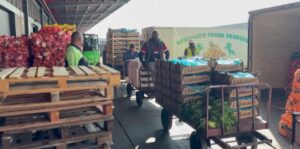
However, amid the disruption, a potential upside is emerging for the African continent. Major regional energy producers are repositioning themselves to benefit from the global supply gap, with refined oil exporters such as Nigeria and Angola seeing a short-term fiscal boost from rising demand.
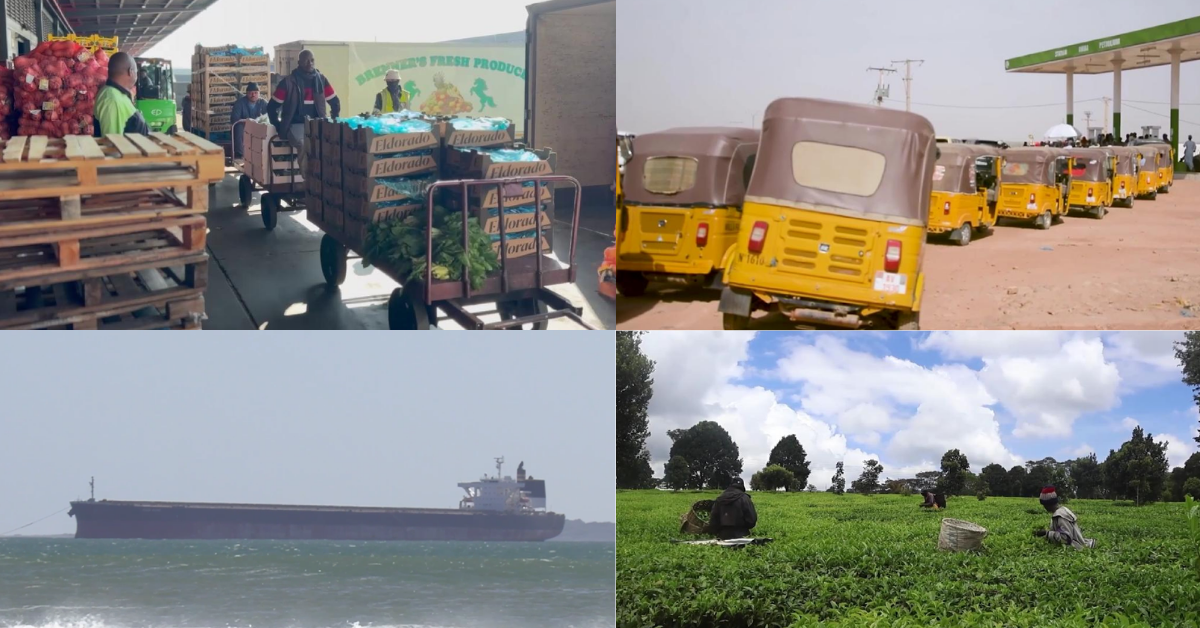
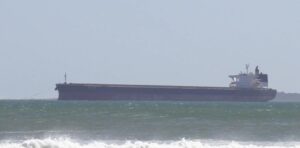
Meanwhile, traffic along Cape of Good Hope has reportedly surged by 112 percent, driving record business through ports in Cape Town.
Africa Supply Challenges
In this Full Focus, we hear from experts about the political and economic realignment underway, as Global South partnerships gain momentum.
Setting the scene in Johannesburg, Africa Supply Chain Confederation (ASCON) President Ronald Mlalazi explains how the continent was disproportionately hit, citing limited reserves and a heavy dependence on vulnerable trade routes.
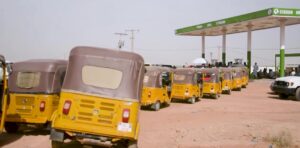
“We were really sitting on a time bomb,” he admitted.
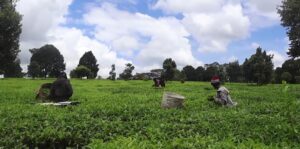
The hardest-hit sectors are those with time-sensitive export chains, like East Africa’s tea and flower trade, where on the ground in Nairobi, tea exporters describe how they are feeling the pinch.
However, Mlalazi backed for a continent-wide push to improve efficiency through stronger public-private co-operation and greater use of technology, in order to secure stable supply chains between Africa and the rest of the world.
Energy Opportunities Emerging
Other analysts laid out the avenues of opportunity for Africa to reposition. Oil-rich countries such as Angola can expand production as global energy markets shift, and the Cape of Good Hope is regaining strategic importance as shipping routes adjust.
In Luanda, one oil sector executive said the crisis has created a rare opening for African producers. “Because of what’s happening around the world, we are being sought as an alternative to supply oil and gas to the countries that need them,” said Tony Chibengue, HSE manager of SBM Offshore.
“There is this window of opportunity at this moment in [the] oil and gas industry […] Africa needs to take this opportunity and move forward,” he emphasised.
In South Africa, Exporters Association of the Western Cape Chairman Terry Gale said the Cape of Good Hope should be more actively promoted as a strategic alternative trade route, pointing to its historical role as a global shipping artery.
“When Mr Trump put it into his reciprocal tariff, which originally was 30 per cent in particular against South Africa as well…. I said, he doesn’t seem to realise in times of stress, in times of emergency, they need us almost more than we need them,” he noted.
“They just know it’s a fantastic route to come past, and as an alternative to what’s currently happening in the Strait of Hormuz. […] We need to tell the world we’re open for business,” he continued.
Meanwhile, JLOG International CEO Jonathan McDonald suggested the current disruption could have lasting effects on global logistics – and turn to Africa’s advantage too.
“This is a perfect platform for us to face the reality in terms of how we bring Africa to compete at the same footing with the first world countries […] We look into Africa. […] Let’s look Africa. Africa is capable,” Mlalazi emphasised. “This is the perfect time to position Africa as the powerhouse of the global economy.”
The crisis surrounding the Strait of Hormuz follows joint US-Israeli military operations against Iran on February 28, which prompted retaliatory strikes on Israeli territory and US interests in the region.
Tehran has since restricted transit through the strait, while the US Navy has maintained a blockade of Iranian ports despite a ceasefire agreement.
Disruptions to the vital waterway, which normally carries around 20 percent of global oil shipments, has send an energy and supply chain crisis worldwide.
Article by Viory
Related Post:
Share this content: