Article by Viory
Uganda Closes Border
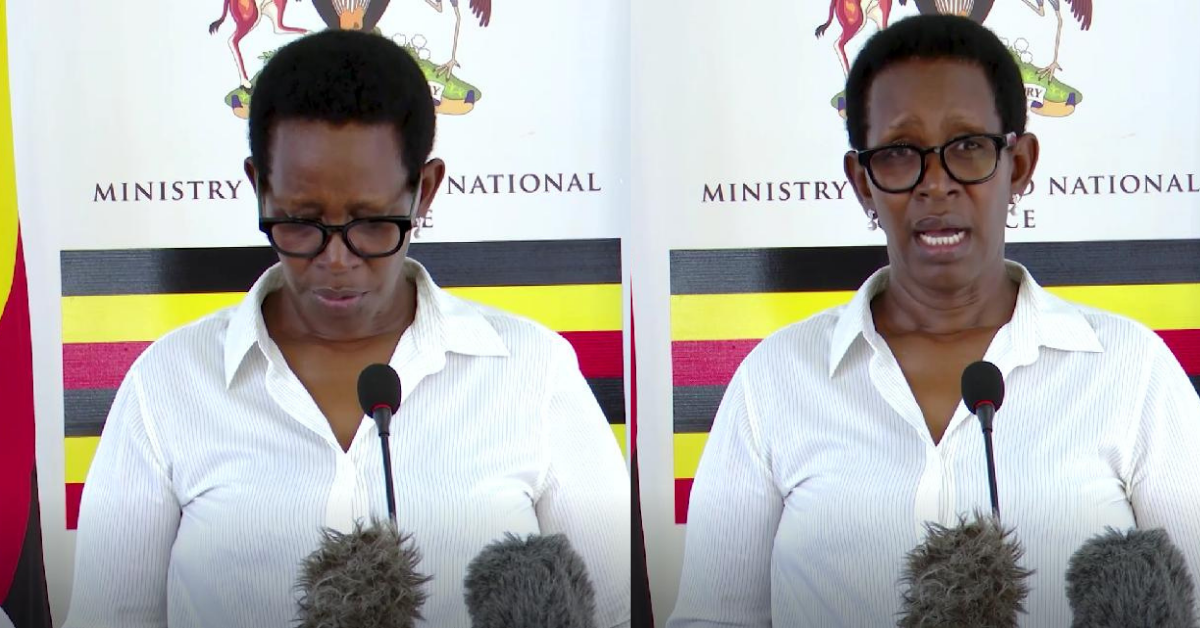
Dr Diana Atwine, Permanent Secretary at Uganda’s Ministry of Health, announced on Wednesday that Kampala was temporarily closing its border with the Democratic Republic of Congo with immediate effect, after authorities warned of rising exposure among frontline health workers.
“The national task force today, that sat this morning. It was chaired by Her Excellency, the Vice President of Republic of Uganda. It agreed on the following resolutions. Number one, Uganda is temporarily closing the border with the Democratic Republic of Congo with immediate effect,” Atwine told reporters.
“The only exceptions are for authorised Ebola response teams. The humanitarian operations. Food and cargo, transportation and security. But all this still will be under strict health screening and monitoring protocols across the border,” she continued.
Strict Health Measures
Atwine said anyone cleared to enter Uganda from the DRC by land or air would have to undergo 21 days of mandatory isolation.
She added that the ministry had deployed locator phone systems at border posts and airports to help track incoming travellers and support contact tracing.
Uganda has reported seven Ebola cases and one death in the outbreak, which is centred in eastern DRC’s Ituri province. The first known imported patient in Uganda died in Kampala on May 14, before testing confirmed Bundibugyo virus disease.
WHO Issues Warning
The DRC and Uganda declared outbreaks on May 15, after laboratory testing confirmed the rare Bundibugyo strain. WHO later declared the situation a Public Health Emergency of International Concern.
The strain has raised alarm because there is no approved vaccine or specific treatment for Bundibugyo virus disease. WHO says early supportive care remains critical, while surveillance, isolation, contact tracing and community engagement are central to containment.
WHO has warned against travel bans and border closures, saying they can push people towards informal crossings and make surveillance harder. Ugandan officials said tighter controls were needed because of high cross-border movement and rising exposure among health workers.
Uganda Media Centre, via Viory.Video
Related Post: