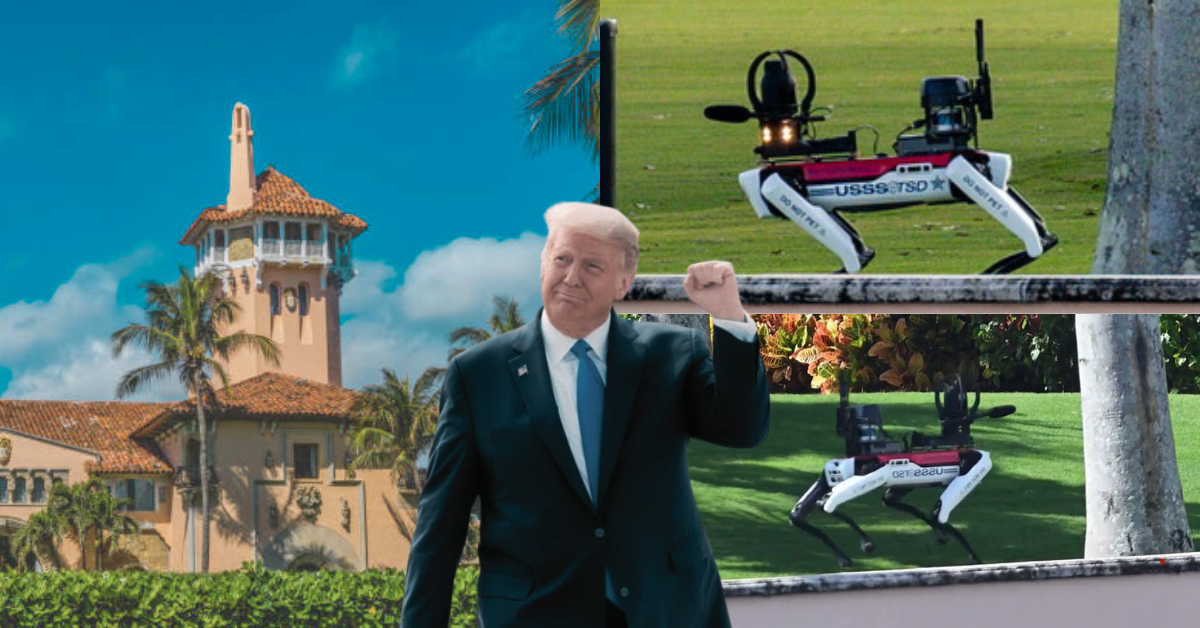
In a groundbreaking move, robotic dogs have joined the security team at Mar-a-Lago, Donald Trump’s Florida residence. The U.S. Secret Service has deployed Spot, a state-of-the-art robotic canine developed by Boston Dynamics, to bolster the estate’s surveillance capabilities.
This deployment underscores the increasing reliance on advanced robotics for high-profile security operations.
How Spot Enhances Security
Spot, the four-legged robot, operates with a range of sensors and cameras designed to monitor its surroundings. It patrols autonomously or a human operator manually controls it, making it a versatile tool for securing large or complex properties like Mar-a-Lago. Equipped with thermal imaging, 360-degree cameras, and motion detection, Spot can identify potential threats in real time and alert human operators for immediate intervention.
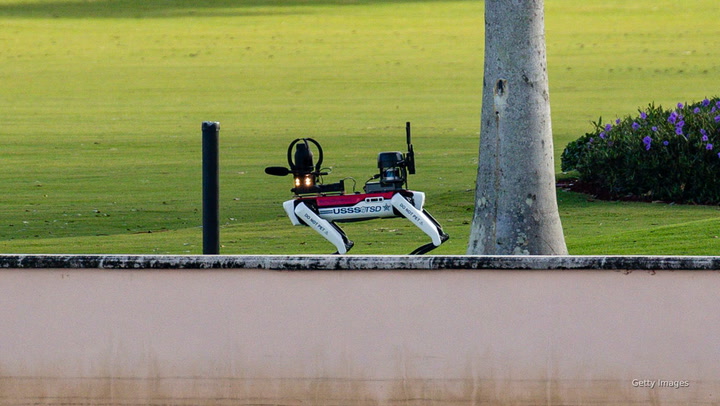
The Secret Service’s integration of Spot demonstrates a commitment to leveraging cutting-edge technology to ensure the safety of high-profile individuals. Unlike traditional surveillance methods, robotic dogs can operate in difficult terrain, adapt to changing conditions, and function around the clock without fatigue.
The Popularity of Robotic Dogs in Security
Security, law enforcement, and military agencies increasingly use robotic dogs like Spot for their operations. Globally, these machines have been employed for tasks ranging from bomb detection to search-and-rescue missions. Their ability to navigate challenging environments and provide real-time data makes them invaluable in operations requiring precision and endurance.
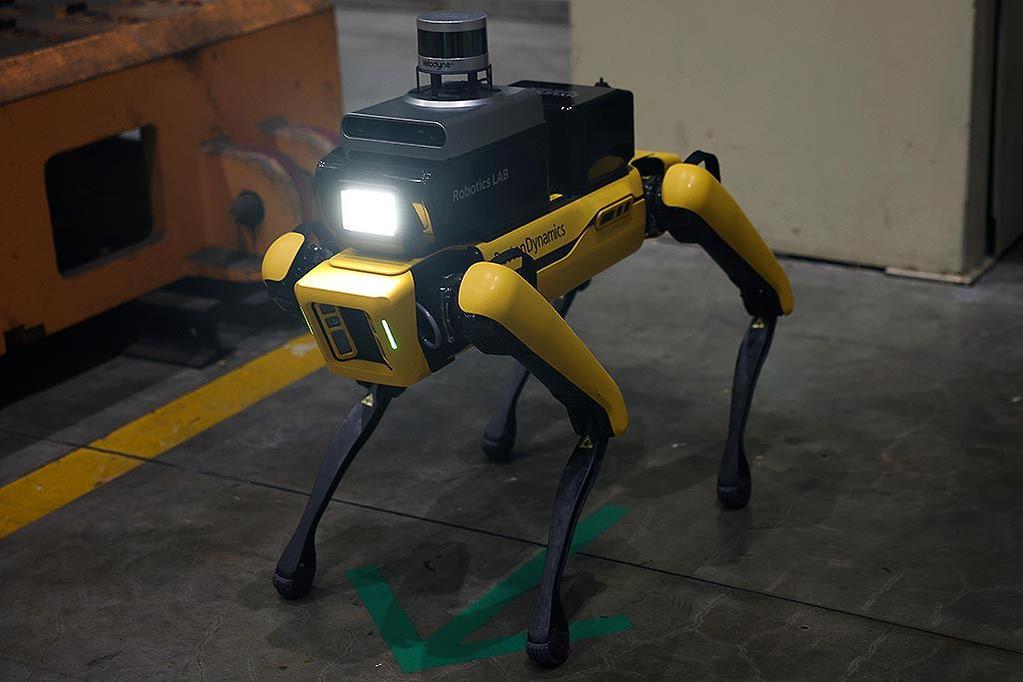
In some countries, private corporations are also adopting robotic dogs for corporate and industrial security. Organizations frequently deploy these robots to patrol warehouses, oil fields, and event venues. As their capabilities expand, robotic dogs are increasingly seen as a complement to human security teams, offering both efficiency and cost-effectiveness.
Weaponized Robotic Dogs: A Controversial Development
Although Spot at Mar-a-Lago remains unarmed, reports indicate that various global military organizations equip some robotic dogs with weapons. In 2021, a demonstration by Ghost Robotics unveiled a robotic dog fitted with a sniper rifle, sparking debates about the ethical implications of weaponizing autonomous systems.
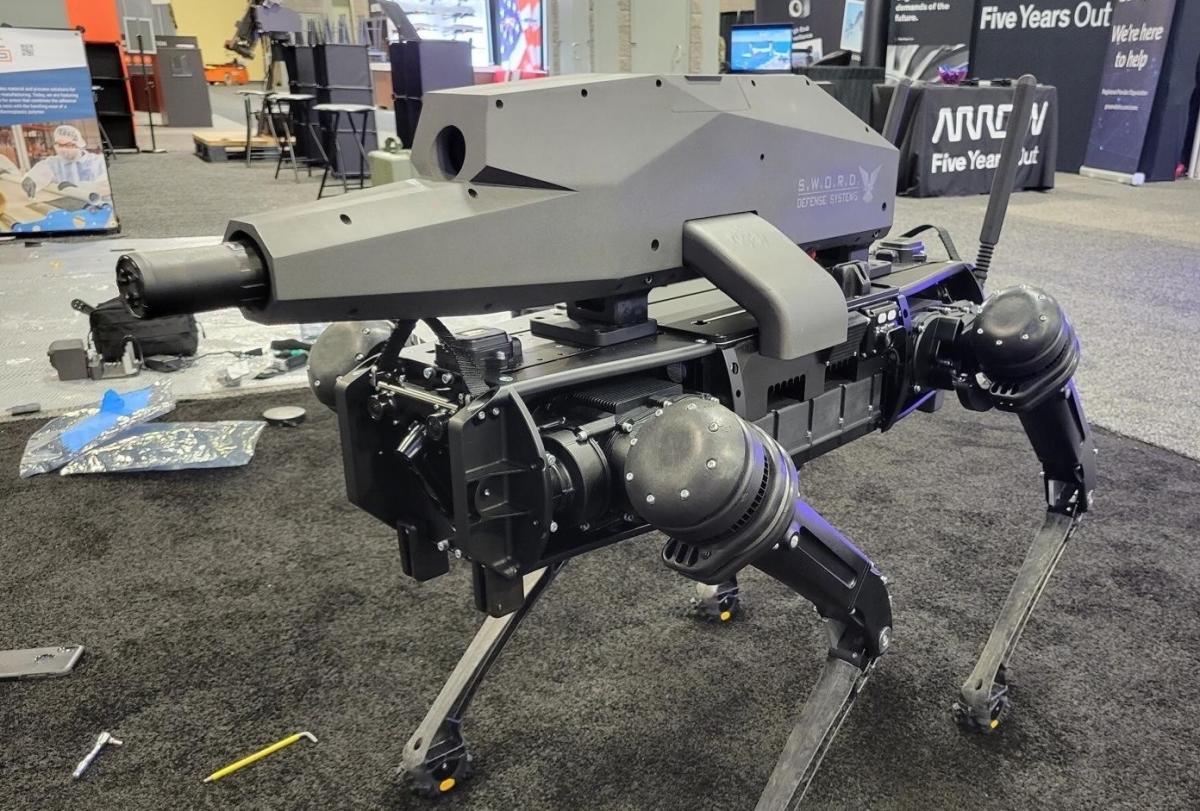
Proponents argue that armed robots could reduce human casualties in high-risk situations, such as urban warfare or counterterrorism. However, critics warn of the dangers, including the potential misuse of such technology and the moral questions surrounding autonomous weapons systems.
Implications for Security and Ethics
The use of robotic dogs like Spot at high-profile locations indicates a shift toward integrating robotics into mainstream security practices. While these machines provide unparalleled surveillance capabilities, their deployment also raises questions about privacy and the potential for misuse.
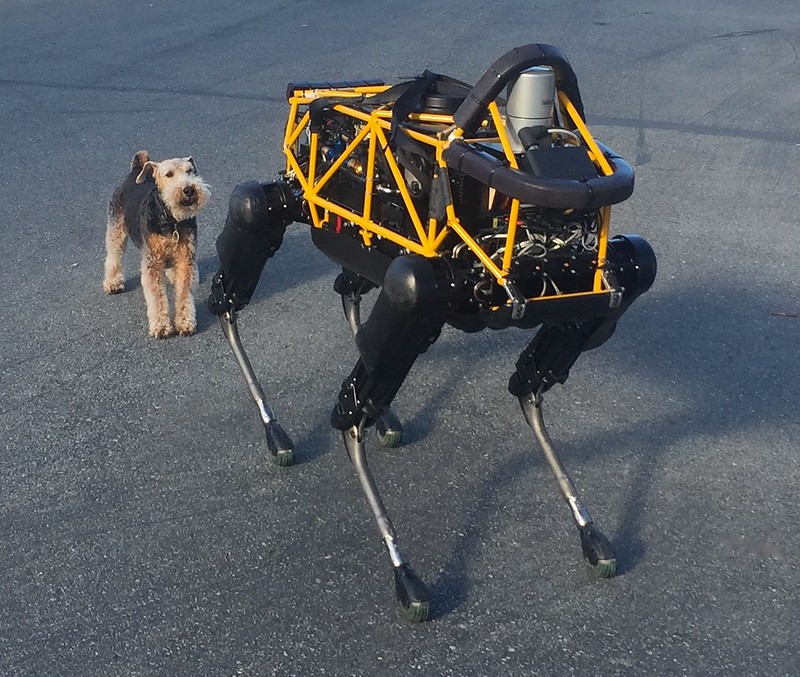
As robotic technology evolves, balancing innovation with ethical considerations will be key. For now, the presence of robotic dogs at locations like Mar-a-Lago reflects the growing intersection of advanced technology and traditional security measures, offering a glimpse into the future of protective operations.
At Mar-a-Lago, Spot symbolizes not only a technological leap but also the increasing sophistication of security strategies in an ever-changing landscape of risks and challenges.
Watch the video here:
@reuters A robotic dog patrols Donald Trump’s Mar-a-Lago residence amid a heightened security presence at his home following his election victory. News DonaldTrump 2024election Reuters maralago Florida
More of The Other Side:
Does Elon Musk Potentially Stand to Benefit from a Trump Alliance?
Former Indian General says India Stands to Benefit from BRICS
Keep up with #TheOtherSide on Telegram and TikTok.
@the.other.side77
Share this content: