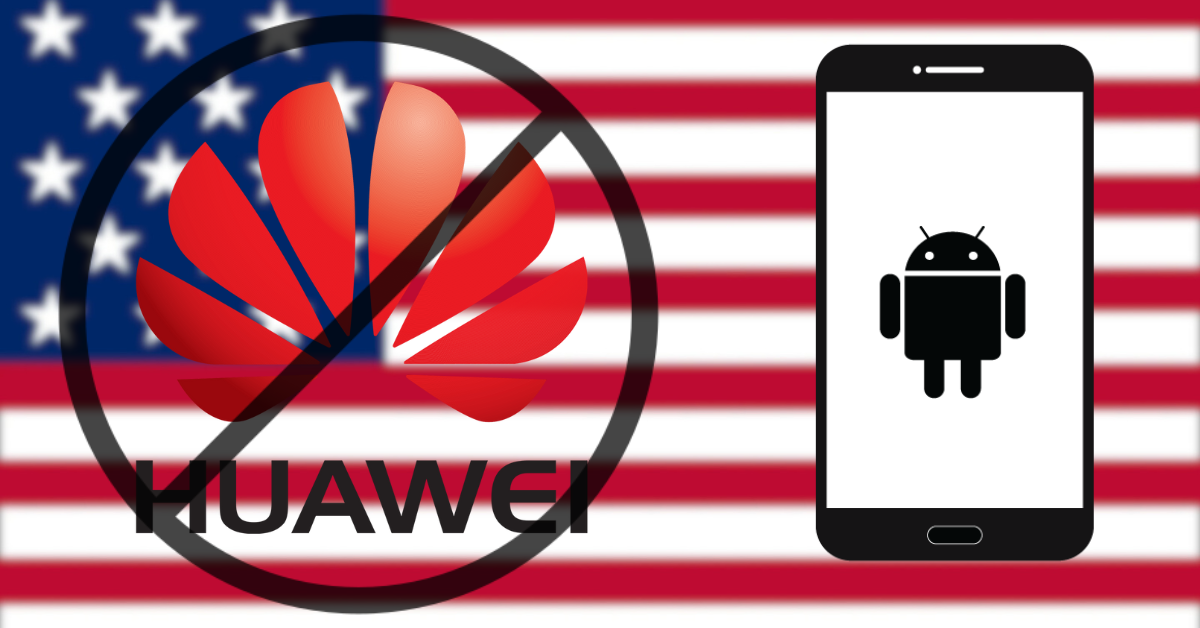
The escalating technological rivalry between the United States and China has shifted from subtle competition to outright confrontation. With the U.S. banning Chinese phones, restricting Huawei’s access to Google’s Android, and imposing sanctions on semiconductor exports, the battle lines are clear.
At the same time, China has doubled down on its ambitious Made in China 2025 (MIC 2025) plan to achieve self-reliance and global dominance in manufacturing and innovation. This tech cold war not only threatens to fragment the global technology landscape but also highlights the high stakes of technological supremacy.
The U.S. Strategy: Cutting China Off
The U.S. government has taken aggressive steps to curb China’s technological rise, citing national security concerns. It began with banning Huawei products from the U.S. market, accusing the company of espionage and ties to the Chinese government. These measures extended to prohibiting Huawei from accessing Google’s Android system, a move that forced the company to pivot towards developing its own HarmonyOS.
Huawei’s rapid decline in global smartphone market share underscores the effectiveness of these sanctions. The absence of Google services on Huawei devices made them less appealing to international consumers, particularly in Western markets.
This ban has also sent a strong message to other Chinese tech companies, effectively warning them of potential fallout if they challenge U.S. technological dominance.
Additionally, the U.S. tightened controls on exporting semiconductors and advanced technology to China, aiming to cripple industries critical to China’s tech ambitions. The semiconductor ban, in particular, targets the heart of MIC 2025, as China heavily relies on foreign-made chips to power its technological advancements.
China’s Counteroffensive: Made in China 2025
China has not taken these challenges lightly. MIC 2025, launched in 2015, aims to transform China into a global leader in high-tech manufacturing, focusing on industries like robotics, artificial intelligence, and semiconductors. This plan not only seeks to reduce reliance on foreign technology but also to dominate global markets.
Huawei’s HarmonyOS embodies MIC 2025’s objectives. While it initially faced skepticism, HarmonyOS has rapidly evolved, with Huawei securing a significant share of the domestic market.
The Chinese government’s investment in homegrown technologies and subsidies for local firms underscores its commitment to this vision. MIC 2025 also incentivizes partnerships with developing nations, offering technological support and infrastructure development, often through the Belt and Road Initiative.
However, challenges persist. Despite significant progress, China struggles to produce advanced semiconductors, a critical component for modern devices. The U.S. sanctions have exposed vulnerabilities in China’s tech supply chain, forcing Beijing to prioritize domestic innovation and industry partnerships to close the gap.
Global Implications: A Fractured Tech Ecosystem
The U.S.-China rivalry has profound implications for the global technology landscape. With Huawei’s exclusion from Android leading to the rise of HarmonyOS, a bifurcated ecosystem is emerging. Consumers and businesses may soon face a world divided between U.S.-led and China-led technology standards, making cross-border collaboration increasingly difficult.
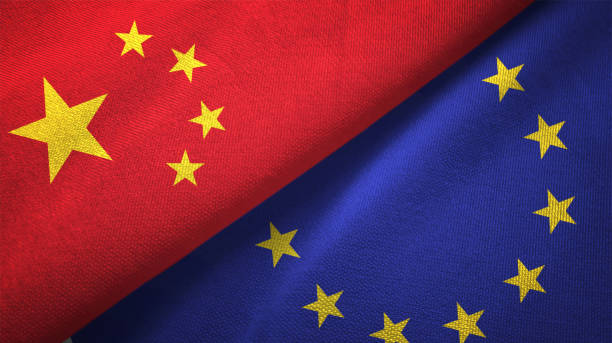
Countries around the world face tough choices. The European Union, for example, has tried to maintain a balanced stance, engaging with both sides while safeguarding its own technological sovereignty. Developing nations often align with China, attracted by its affordable technology and infrastructure investments. However, these partnerships come with strings attached, raising concerns about debt dependency and strategic influence.
The Stakes: Innovation or Isolation?
Both the U.S. and China risk undermining global innovation by prioritizing confrontation over collaboration. The U.S.’s restrictions may slow China’s tech advancements, but they also limit opportunities for American companies to access one of the world’s largest markets. Similarly, China’s inward focus under MIC 2025 could lead to insularity, stifling the collaborative spirit that drives technological breakthroughs.
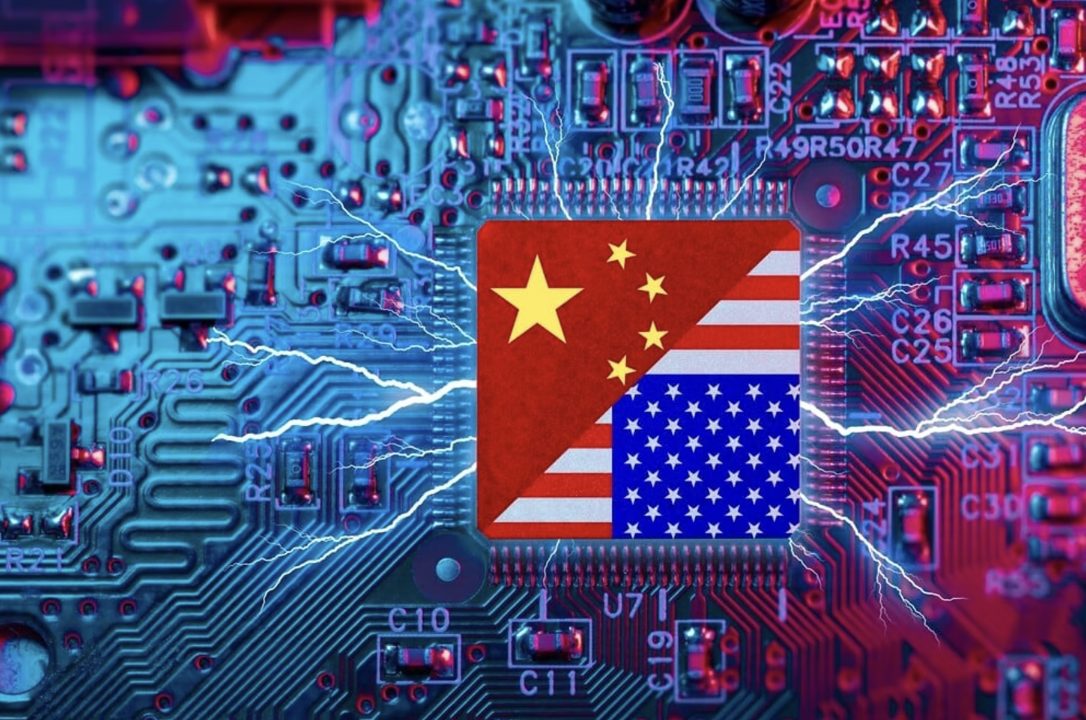
While competition often breeds innovation, the current trajectory risks fostering a zero-sum game. Instead of leveraging their strengths to address global challenges—such as AI governance, cybersecurity, and climate change—the two superpowers remain locked in a battle that threatens to leave the rest of the world caught in the crossfire.
Conclusion: Cooperation Over Confrontation
The tech cold war between the U.S. and China is shaping the future of global innovation, but at what cost? Both nations must recognize that technological progress thrives on collaboration. The U.S. should reassess its heavy-handed restrictions, and China must address concerns about transparency and market fairness.
Only by finding common ground can these two giants foster an environment where technology serves as a unifying force, rather than a divisive one. Until then, the world braces for a fractured future, where innovation takes a backseat to rivalry.
Watch a video here:
More of The Other Side:
India’s Oil Trade: Russian Crude Finds a Route to Europe Through Indian Refining
Malaysia’s Oil and Gas Exploration in the South China Sea: Leaked Diplomatic Note Unveils Tensions
China’s $50 Billion Commitment to Africa: Boosting Military, Economic Ties and Shaping the Future
Keep up with #TheOtherSide on Telegram and TikTok.
@the.other.side77
Share this content: