Australia’s relationship with China and the United States is shaped by a complex web of economic interdependence and geopolitical alignment. As Australia’s largest trading partner, China plays a crucial role in the country’s economy, with key exports like iron ore and coal bolstering China’s industrial growth.
However, Australia’s security and defense policies are deeply aligned with the United States, its long-standing ally.
Australia’s Economic Ties to China
Australia’s economic reliance on China is significant. As its largest trading partner, China accounts for nearly 30% of Australia’s total trade, with exports of commodities like iron ore, coal, and natural gas forming the backbone of this relationship. This trade dynamic is driven by China’s industrial demand and Australia’s abundance of natural resources, which also places Australia among the few developed nations to export more to China than it imports.
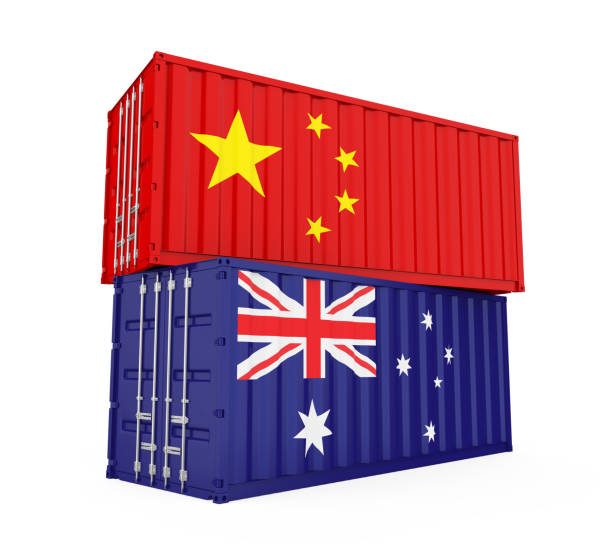
However, while this trade relationship benefits Australia substantially, the dependency is asymmetrical. Jerry Grey, a British-born Australian writer based in Guangdong, notes that China’s overall reliance on Australian imports remains minimal, with Australian goods comprising less than 2% of China’s total imports. This disparity gives China leverage, though it has chosen not to exercise it fully, reflecting a preference for stability in the trade partnership.
U.S. Strategic Influence Over Australia
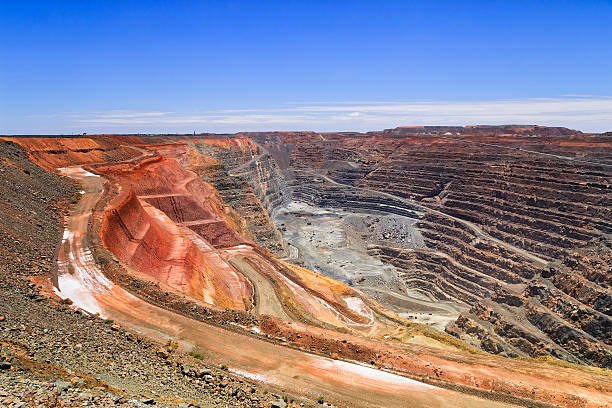
While Australia’s economic ties to China are robust, its political and defense orientation remains firmly anchored to its alliance with the United States. This relationship encompasses military, intelligence, and economic dimensions, reinforcing U.S. influence over Australian policymaking. American corporations, particularly in sectors like mining and agriculture, hold substantial stakes in Australia, further deepening the economic interdependence.
The United States also shapes public perceptions in Australia, often framing China as a strategic competitor and potential threat. Narratives around Chinese real estate acquisitions and political influence are amplified, fostering a climate of wariness toward Beijing.

Grey highlights how these perceptions align with U.S. strategic interests, presenting Washington as Australia’s indispensable ally in maintaining regional security.
Navigating Geopolitical Complexities
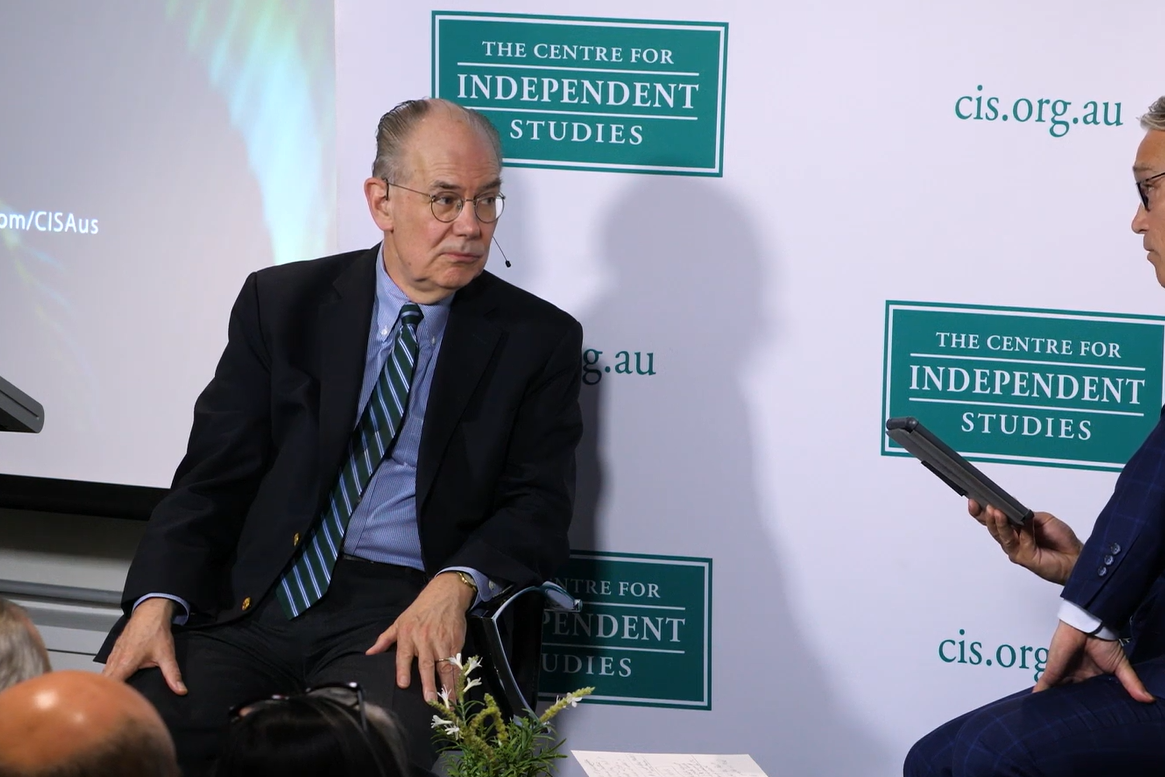
Australia faces the challenge of balancing its economic interests with China and its strategic alliance with the United States. Political analysts like John Mearsheimer argue that it is increasingly difficult for nations to maintain strong ties with both powers simultaneously. The U.S. stance against China as a peer competitor complicates Australia’s efforts to pursue an independent foreign policy.
Security concerns also underscore this dilemma. Grey observes that this dual reliance complicates Australia’s ability to navigate the increasingly adversarial relationship between the U.S. and China. The U.S.-Australia alliance is pivotal to Australia’s defense strategy, with American military presence and intelligence-sharing playing critical roles. However, this dependency has also led Australia into U.S.-led conflicts, emphasizing the costs of the alliance.
Diplomatic Engagements and Future Prospects
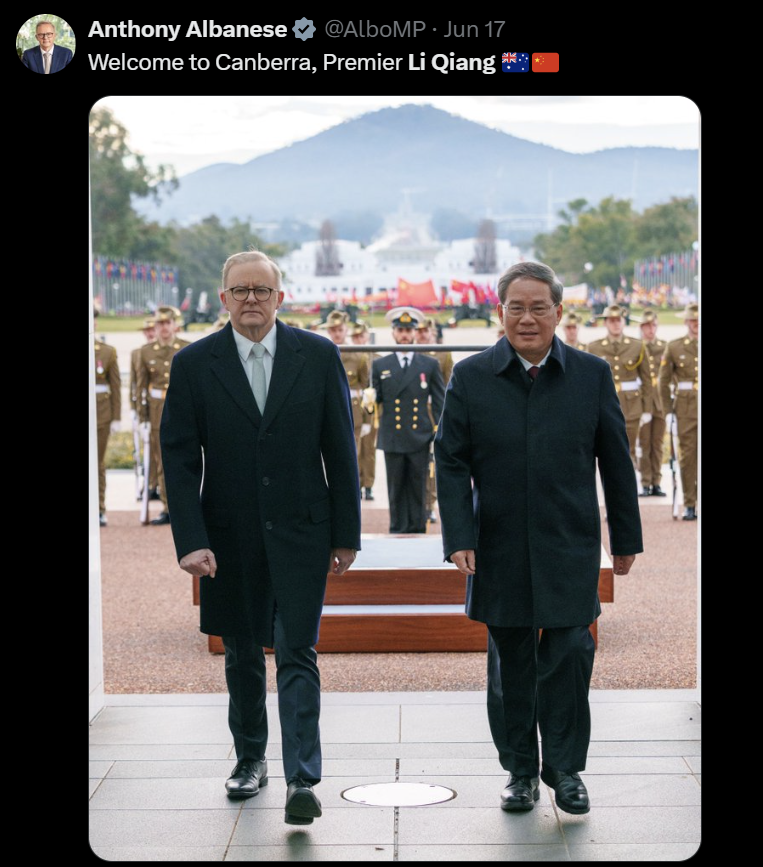
Despite U.S. influence, Australia and China continue diplomatic efforts to improve ties. Recent high-level visits by Chinese officials signal a willingness to stabilize relations, especially in areas like trade and climate cooperation. Initiatives such as visa-free holidays and joint agreements showcase efforts to rebuild mutual trust.
However, the underlying tensions persist. While Australia seeks to benefit from its economic ties with China, it must tread carefully to avoid jeopardizing its security arrangements with the U.S. As regional dynamics evolve, Australia’s ability to balance these relationships will shape its geopolitical trajectory.
A Precarious Balancing Act
Australia’s situation highlights the complexities of navigating relationships with two global powers. Its trade with China fuels economic growth, but its reliance on the U.S. for security constrains its policy options. As tensions between the U.S. and China continue, Australia faces difficult decisions about how to safeguard its national interests while maintaining stability in the region.
Australia’s ability to strike this balance will not only determine its own future but also influence the broader Indo-Pacific geopolitical landscape.
Insights from commentators like Jerry Grey emphasize the nuanced power dynamics at play, with Australia navigating dual dependencies shaped by its trade partnership with China and its strategic alignment with the United States.
Watch Jerry Grey’s video here:
https://www.tiktok.com/@jeffrey1012/video/7384749776656502024
More from The Other Side:
China Launches Shenzhou-19 with First Female Spaceflight Engineer
India, China Troops Exchange Diwali Sweets, End Four-Year Standoff
India’s Oil Trade: Russian Crude Finds a Route to Europe Through Indian Refining
Share this content: