Article by Viory
UAE Strategic Exit
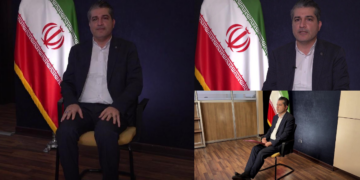
Abdul Aziz Ahmed Al Shehhi, Principal Researcher and Deputy General Manager at Trends Research & Studies Centre, explained the reasoning behind the United Arab Emirates’ decision to withdraw from the Organisation of the Petroleum Exporting Countries (OPEC) and OPEC+, describing it as a sovereign move with broader implications for the global oil market.

Al Shehhi said the decision reflects a national strategy to prioritise the UAE’s domestic interests in the energy sector, noting that its timing was carefully calibrated to minimise potential disruption to global markets and oil prices.
He stressed that the withdrawal will be gradual, aimed at limiting any negative impact on other member states.
“This step is not intended to harm the interests of other OPEC members. Each country makes its decisions based on its own national priorities and careful assessments,” he said.
Economic And Energy Gains
He highlighted both short and long-term benefits, particularly the ability to exercise full sovereign control over production decisions without being bound by external quotas. According to Al Shehhi, increased production capacity – measured in barrels per day and annually – could translate into significant revenue gains, potentially reaching up to $30 billion per year.
The senior researcher added that the UAE is also placing strong emphasis on the artificial intelligence sector, describing it as one of the most critical future industries, with growing energy demands that further justify the policy shift.
Global Reactions And Relations
Al Shehhi noted that it is difficult to determine whether the move aligns with US interests, recalling that President Donald Trump had previously accused OPEC of manipulating oil prices.
Trump, however, praised the UAE’s decision on Wednesday, describing the move as ‘great and beneficial’ for lowering fuel and overall consumer prices.
Speaking on the UAE’s relations with neighbouring Arab and Gulf states, Al Shehhi described the ties as ‘stable and strong’, adding that this would support continued cooperation and help build on existing partnerships.
OPEC Membership History
“The UAE views its relations with Arab countries within OPEC and OPEC+ positively, based on mutual respect for each country’s sovereign decisions,” he added.
The UAE officially announced its withdrawal from OPEC and OPEC+, effective May 1, 2026.
The country joined OPEC in 1967 through the Emirate of Abu Dhabi and maintained its membership after the formation of the United Arab Emirates in 1971, playing a key role in supporting market stability and fostering dialogue among oil-producing nations.
According to its official website, the mission of OPEC is to coordinate and unify petroleum policies among member states and ensure stable oil markets, securing efficient and reliable supply for consumers, steady income for producers, and fair returns for investors in the industry.
Emirates News Agency (WAM), via Viory.Video
Related Post:
Share this content: