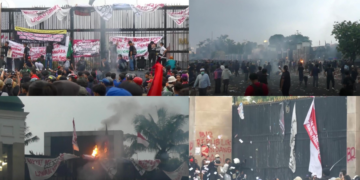
In early September 2024, workers at Samsung’s manufacturing facility in Tamil Nadu launched protests, raising concerns about wages, job security, and working conditions. This unrest highlights the growing tensions within India’s rapidly evolving tech manufacturing sector.
The protests took place at Samsung’s facility in Sriperumbudur, located in the Kanchipuram district of Tamil Nadu.
Motivation Behind the Protests
On September 5, approximately 1,500 workers began demonstrating, citing low pay and poor working conditions as their primary grievances. Many employees expressed that their wages have not kept up with the rising cost of living. Additionally, they reported long hours with insufficient breaks, contributing to an increasingly difficult work environment.

Tensions escalated as workers voiced fears about job security due to rumors of potential layoffs. They demanded a 30% wage increase, alongside better job security and improved workplace conditions.
Demand for a Union Over a Committee
The workers are also seeking the right to form a union, specifically under the prominent Centre of Indian Trade Unions (CITU), rather than a company-supported committee. They believe a union would enable them to negotiate independently from management and better represent their interests, unlike a company-led committee, which they view as biased.

E. Muthukumar, President of the Samsung India Worker Union under CITU, stated, “We want to end the strike soon. But for that to happen, the company should agree to talk with the labour union we have formed.” He added that the union would not accept any alternative committees created by the company.
Samsung’s Reaction
In response to the protests, Samsung officials issued a statement reaffirming their commitment to employee welfare and satisfaction. They noted that recent wage assessments indicated competitive remuneration within the industry. However, this statement did little to alleviate worker frustrations, as many felt their concerns were disregarded. To address the issues, Samsung announced plans to hold meetings with employee representatives.

Additionally, Samsung declared that its “no work, no pay” policy would apply to participating workers, meaning they would not receive compensation for days missed due to protests. This stance further aggravated employees, who perceived it as punitive and counterproductive to resolving their issues.
Police Involvement
As protests intensified, local police intervened to maintain order at the plant. On September 8, officers cordoned off the area, restricting access for both workers and media. The police urged demonstrators to disperse and detained several protesters, escalating tensions among the workforce.

Many workers regarded these detentions as excessive and a violation of their rights, strengthening their resolve to continue the protests. Some reported aggressive police tactics, including intimidation and forceful dispersal, which heightened the already charged atmosphere.
Current Developments and Broader Implications
As of September 12, tensions at Samsung’s Tamil Nadu facility persist. Workers have maintained their presence, continuing to advocate for better treatment. The ongoing protests have garnered attention from labor rights advocates, who are urging solidarity among workers across various sectors. Activists have raised concerns about employee treatment in the tech manufacturing industry, calling for both government and corporate attention to worker welfare.

The ramifications of this unrest extend beyond Samsung. Labor conditions in India’s manufacturing sector are under scrutiny, with many fearing a backlash against foreign investment if companies fail to address employee grievances. Experts caution that firms like Samsung risk reputational damage and disruptions to their supply chains if they do not take meaningful steps to resolve these issues.
While Samsung engages in discussions with employee representatives, the outcome remains uncertain. Workers remain steadfast in their demands, hoping for significant changes that will ensure fair treatment and improved conditions in the future. As the situation unfolds, many are closely watching how Samsung will respond to the protests and whether they will result in meaningful reforms in the company’s Tamil Nadu operations.
Watch a video here:
Share this content: