In a significant diplomatic engagement, a delegation from Afghanistan’s Taliban-led government visited Malaysia from November 11 to 17, 2024. Malaysia’s Ministry of Education organized the visit and planned it nearly a year in advance, focusing on sharing insights into Malaysia’s education system.
This development comes amidst the Taliban’s controversial global reputation, particularly regarding women’s rights and access to education.
Purpose of the Visit
The primary objective of the visit was to explore Malaysia’s inclusive education policies and consider their applicability to Afghanistan’s educational framework. The delegation, led by Shahabuddin Saqib, head of the Taliban’s Ministry of Education, visited institutions such as Tunku Kurshiah College, an all-girls boarding school in Seremban. This raised questions about the Taliban’s stance on female education, given their strict restrictions on girls’ schooling beyond primary levels.
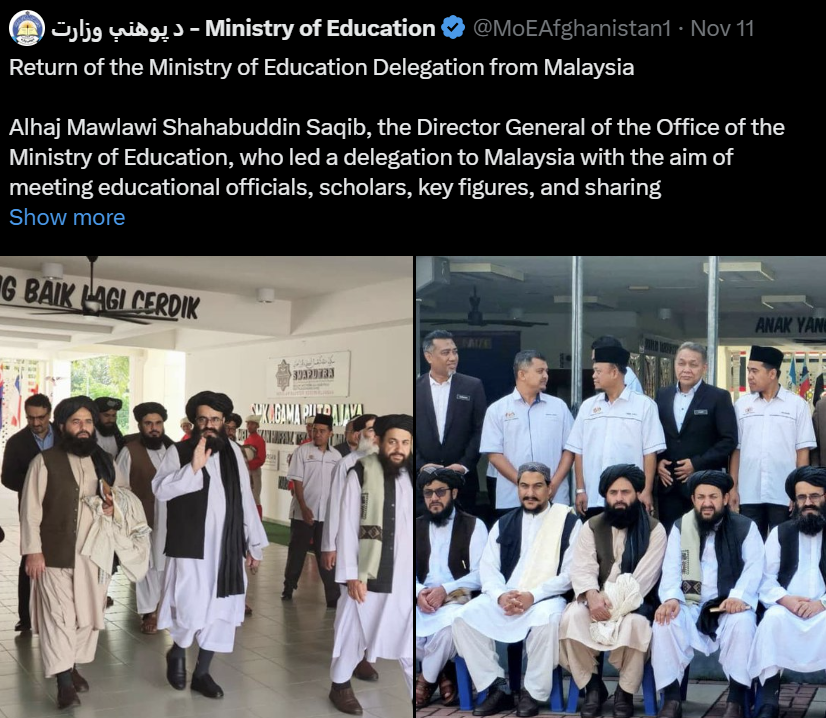
Afghan officials clarified that while secondary and higher education for girls remains restricted, their policies allow girls to attend madrasahs. They emphasized their interest in reforming Afghanistan’s education system by learning from Malaysia’s experience, particularly in fostering educational development.
Who Was Involved
Malaysia’s Education Minister, Fadhlina Sidek, confirmed her ministry’s role in hosting the delegation. Local non-governmental organizations and other educational stakeholders supported the visit. The discussions reportedly focused on improving educational infrastructure, addressing gender disparities, and elevating overall education quality.
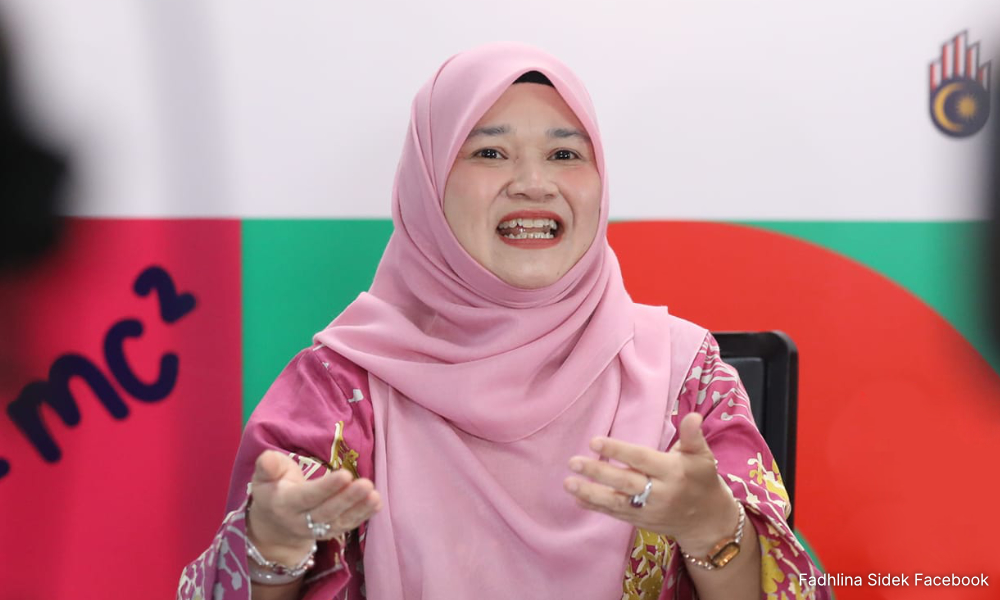
Despite public concerns, the ministry maintained that the engagement aligned with Malaysia’s diplomatic strategy to promote peaceful dialogue and international collaboration.
Public Awareness and Reactions
The visit was initially not widely publicized, and details emerged after the delegation arrived. Many questioned the decision to engage with a regime criticized for its restrictive policies, resulting in mixed public reactions.
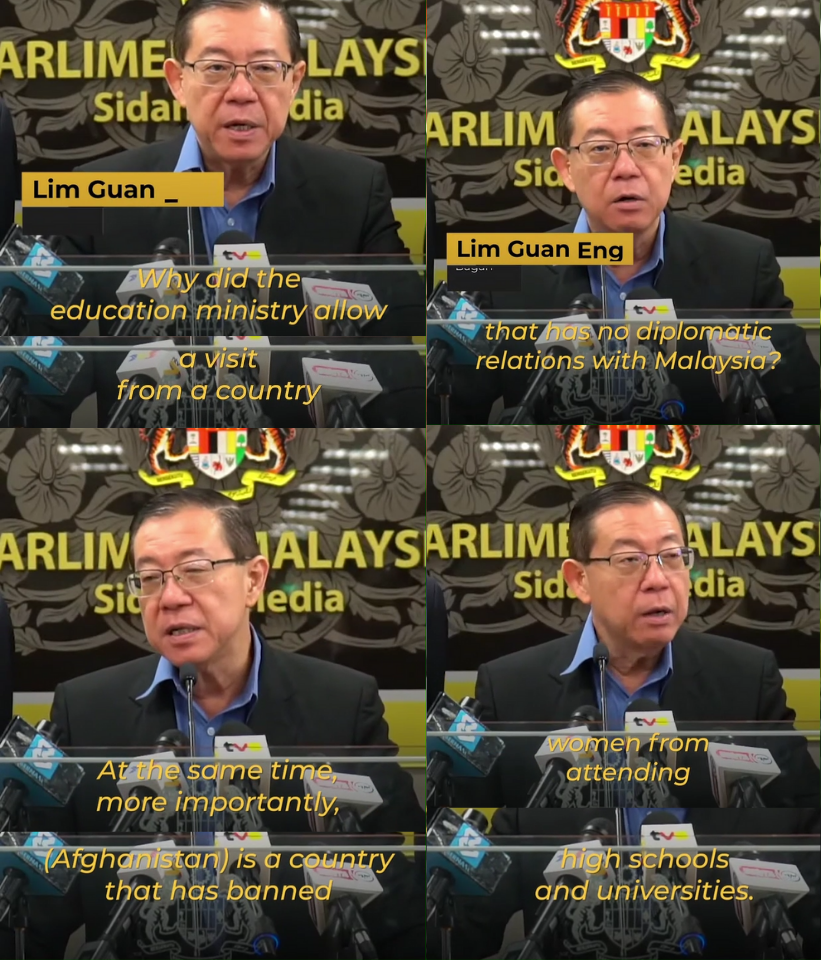
Lim Guan Eng, chairman of the Democratic Action Party (DAP), publicly demanded explanations from Minister Fadhlina Sidek, arguing that such interactions could undermine Malaysia’s advocacy for human rights.
On the other hand, proponents viewed the visit as an opportunity to influence Afghanistan’s policies constructively.
Background and Context
The Taliban, an Islamist militant group, has a contentious history with education. During their initial rule from 1996 to 2001, the Taliban imposed a strict religious curriculum and banned girls from formal education. As per the UN, after their return to power in 2021, they maintained many of these restrictions, including barring girls from secondary schools and universities. However, the Taliban has shown interest in adopting modern educational practices to address Afghanistan’s socio-economic needs, though implementation varies across regions.
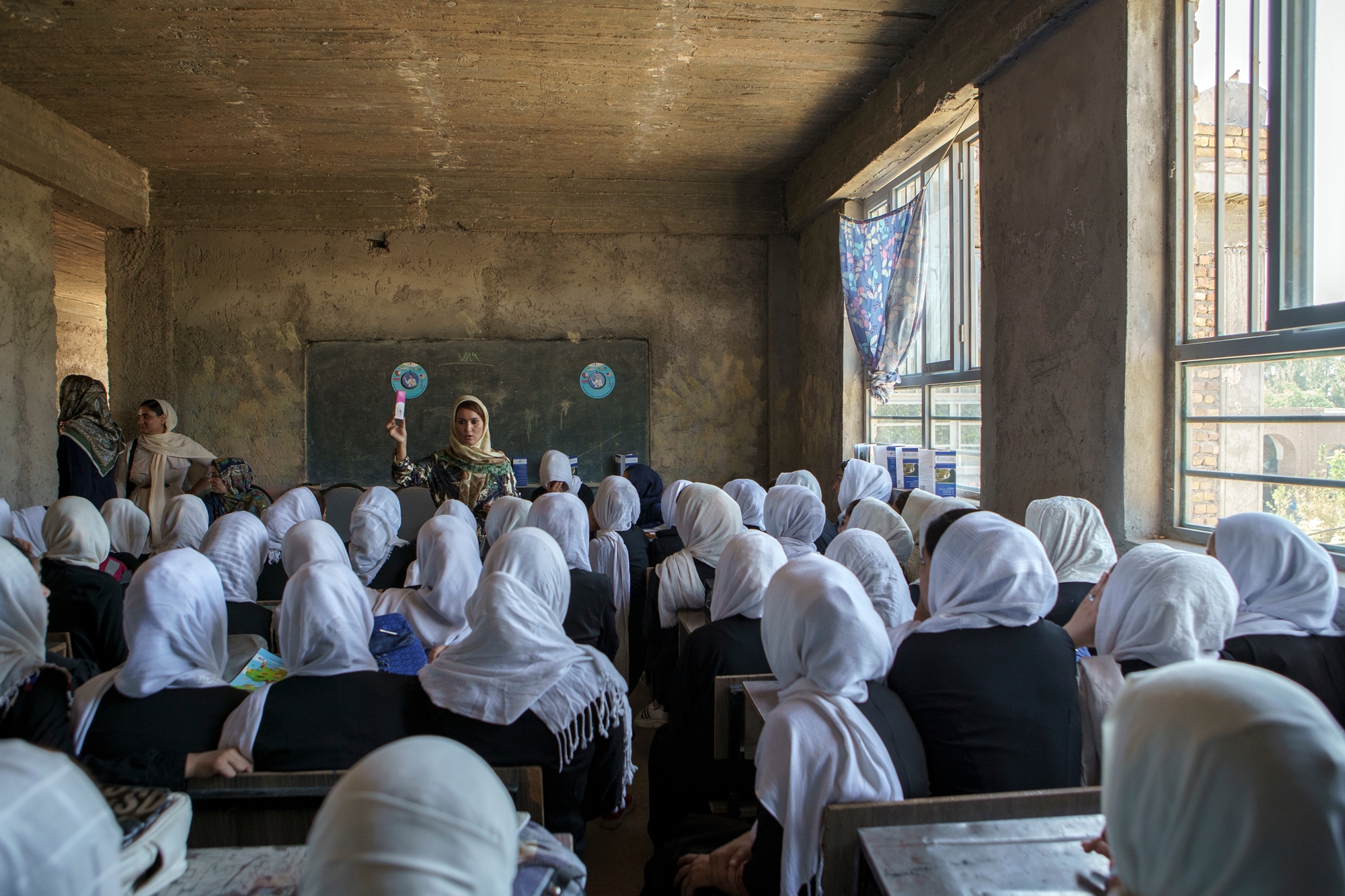
The delegation’s visit to Malaysia is perceived as an attempt to bridge gaps in their current policies. Malaysia’s advanced yet inclusive education system offered a model that could guide Afghanistan in improving access and quality while navigating cultural and religious sensitivities.
Future Prospects and Takeaways
The Taliban delegation described the visit as productive, expressing interest in adopting some of Malaysia’s practices. Malaysia has reportedly offered training programs for Afghan educators and assistance in developing educational resources. Both countries issued statements highlighting the potential for collaboration and their shared goal of enhancing educational access.
While the visit underscored the importance of international dialogue in addressing global disparities, it also sparked a critical debate on the balance between diplomatic engagement and principled stances on human rights.
For Malaysia, the event highlighted its role as a mediator and advocate for constructive global partnerships. Whether this engagement leads to substantive changes in Afghanistan’s education policies remains to be seen.
Watch the video here:
More of The Other Side:
Malaysia’s Oil and Gas Exploration in the South China Sea: Leaked Diplomatic Note Unveils Tensions
Malaysia’s Economic Surge: U.S. Removes Country from Currency Monitoring List in 2024
World’s Happiest Country: Is Finland’s Happiness Linked to Female Leadership?
Keep up with #TheOtherSide on Telegram and TikTok.
@the.other.side77
Share this content: